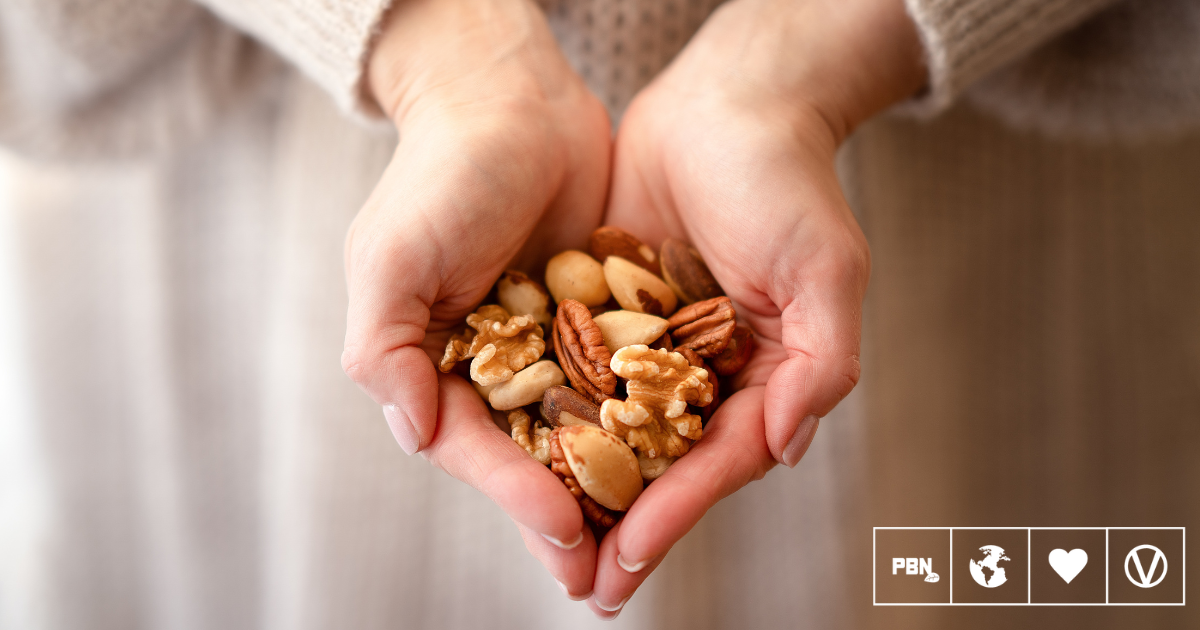
A recent study indicates that consuming a handful of nuts daily may lower the risk of developing high blood pressure by as much as 20 percent.
Read More
Lifestyle factors, particularly diet, significantly influence blood pressure risk, making the inclusion of nuts a straightforward and cost-effective dietary adjustment.
This systematic meta-analysis, published in the British Journal of Nutrition in August, reinforces dietary guidelines recommending a daily serving of nuts. The research found that individuals who regularly consume nuts have a 16 percent lower chance of developing high blood pressure compared to those who consume the least. Specifically, eating approximately 28 grams per day—about a handful—correlates with a 20 percent reduced risk. Those consuming between 30 and 35 grams daily may see a 25 percent reduction; however, intake beyond 35 grams does not appear to provide significant additional benefits.
The Plant-Based Health Professionals UK (PBHP), the group responsible for the study, described a daily handful of nuts as an effective, affordable method to bolster heart health. The authors rated the evidential strength of their findings as “probable,” which is a solid endorsement for this type of research.
The PBHP emphasized that amidst health discussions increasingly focused on costly weight-loss medications, simple dietary choices, such as incorporating nuts, can be effective without a prescription.
High blood pressure affects over 1.4 billion people globally and is deemed the leading risk factor for death worldwide, responsible for nearly half of deaths related to heart disease and stroke, according to the World Heart Federation. Health experts have long advocated for nuts and seeds as components of a balanced diet, given their rich content of protein, healthy fats, vitamins, and minerals. Previous research by PBHP also noted that legumes and soy products are associated with a 16 and 19 percent reduction in high blood pressure risk, respectively.