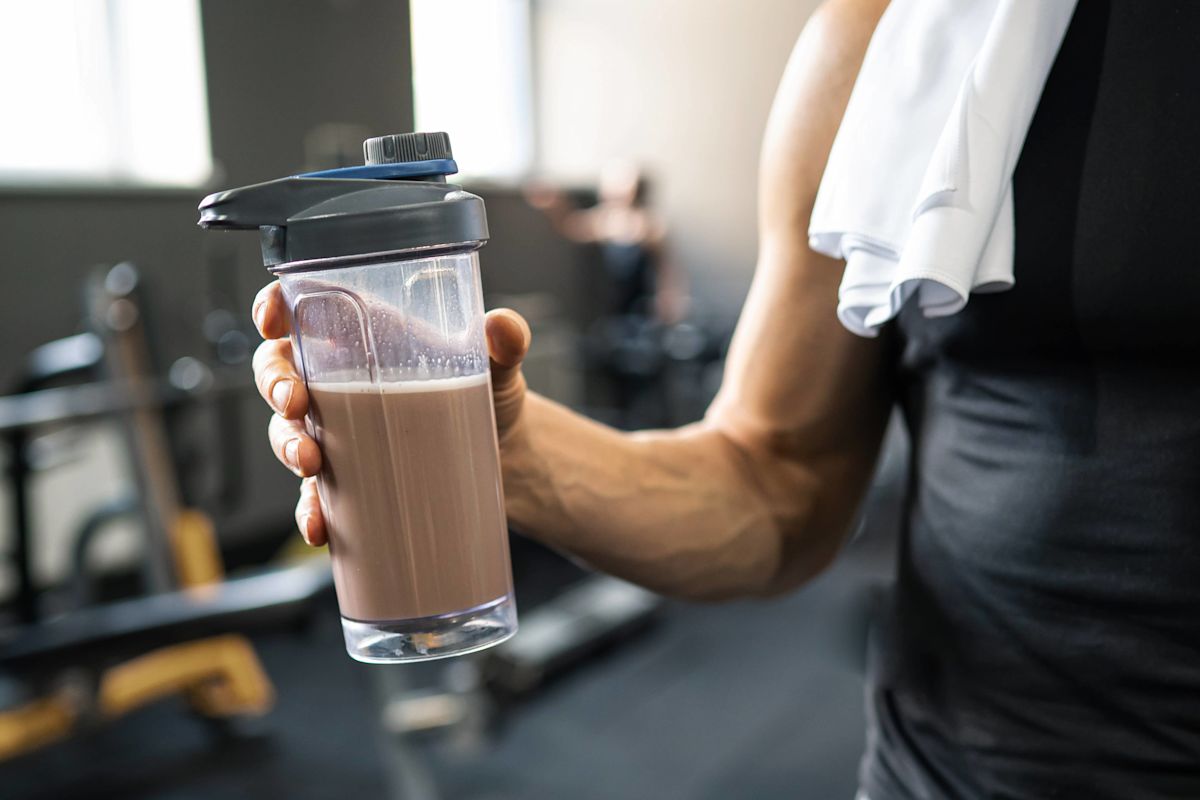
A recent survey by the Pew Research Center indicates that 31 percent of U.S. adults are now taking protein supplements, including powders, drinks, and bars, marking a significant shift in the popularity of these products. Among the 3,554 adults surveyed in July, 78 percent reported using at least one type of dietary supplement, with vitamins and minerals leading at 67 percent.
Read More
Stuart Phillips, a professor at McMaster University and an expert on protein, noted the distinction between receiving adequate protein intake and relying on supplements to achieve it. He said, "Supplements are convenient, but they are not necessary," emphasizing that natural food sources are often more beneficial.
Interestingly, the survey revealed a slight increase in protein supplement use among women, at 33 percent compared to 30 percent for men. Phillips mentioned that this trend could be influenced by heightened social media discussion around protein and concerns about maintaining muscle mass while on GLP-1 weight-loss medications.
However, he cautioned that protein powder is not a miracle solution. A systematic review and meta-analysis co-authored by Phillips found that while protein supplementation can lead to modest improvements in muscle and strength gains during resistance training, the benefits for fat-free mass plateau around a daily intake of roughly 1.6 grams of protein per kilogram of body weight.
Phillips stressed that resistance training is critical for building and maintaining muscle, suggesting that focusing on whole, protein-rich foods is more advantageous due to the additional nutrients they provide. As the use of dietary supplements rises, he pointed out that these products lack the same premarket approval process for safety and effectiveness that medications undergo. The FDA recommends consulting healthcare professionals before starting any supplements, as some may interact with other medications.