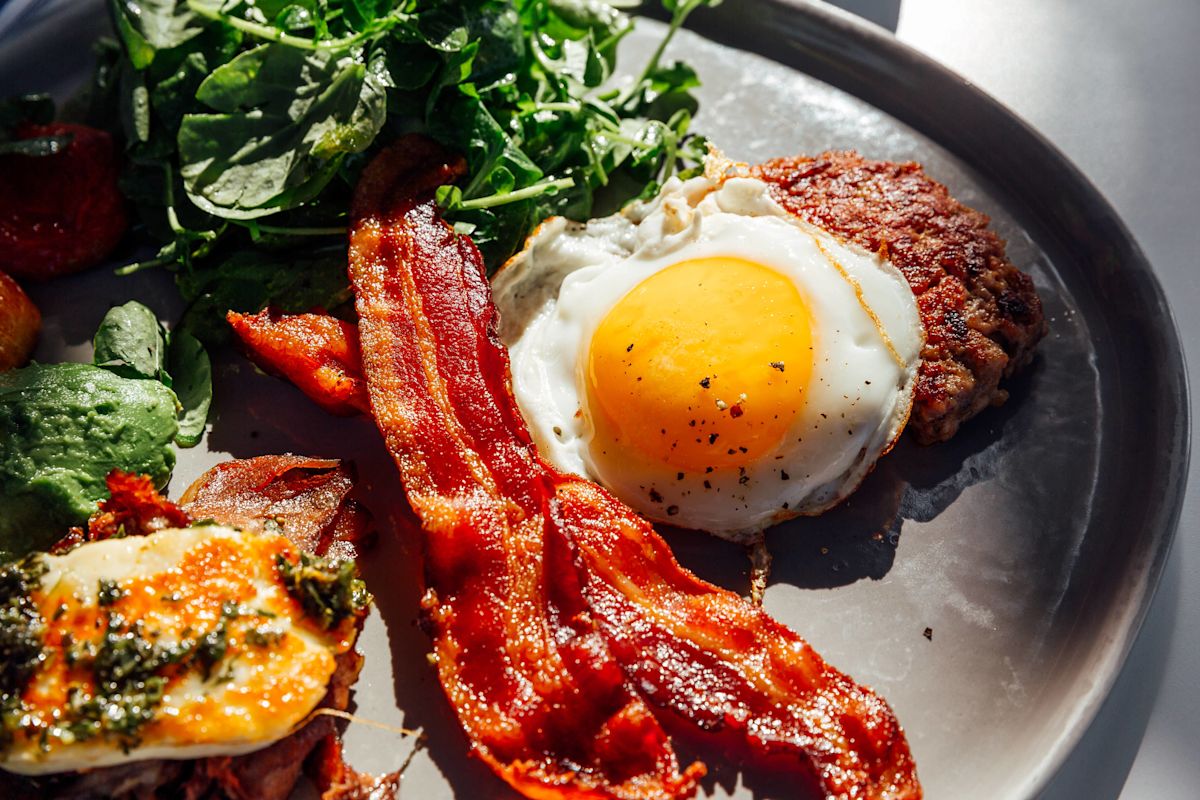
Protein consumption in the U.S. has broadened beyond traditional sources, with products like cereal, coffee, pancakes, and snacks being fortified with protein. According to the International Food Information Council, by 2025, 70 percent of Americans were aiming to increase their protein intake. However, adding more protein does not necessarily translate to increased muscle mass or improved health outcomes. Research indicates there is a threshold beyond which additional protein fails to provide further benefits in muscle building; the type of protein consumed may also play a critical role.
Read More
A meta-analysis published in the British Journal of Sports Medicine revealed that protein supplementation amounts exceeding 1.6 grams per kilogram of body weight daily do not yield additional gains from resistance exercise training (RET). The study highlighted that engaging in resistance training itself is a significantly more effective stimulus for muscle growth than merely increasing protein intake. This information is crucial as Americans trend towards high-protein diets, with 79 percent of respondents in the 2025 IFIC survey unsure about their recommended daily protein needs.
Moreover, the source of protein matters greatly. A diet rich in beans, fish, and yogurt differs significantly from one high in red meats and processed products. Research from Harvard shows a correlation between high red meat consumption and a 62 percent increased risk of developing type 2 diabetes compared to lower intakes. Conversely, substituting one serving of red meat with nuts or legumes correlates with a 30 percent lower risk.
Concern extends to kidney health, as the CDC reports that over one in seven American adults suffers from chronic kidney disease, often without awareness of their condition. As protein supplementation becomes increasingly popular, it’s vital to focus on quality and the potential health risks associated with certain protein sources.