A study from McMaster University, published in Nature Communications, indicates that individuals with celiac disease may not fully benefit from dietary fiber if they lack specific gut bacteria. The research highlights that people with this condition have a reduced ability to metabolize dietary fiber due to the absence of the Prevotellaceae bacterial family, which is crucial for gut healing and managing inflammation.
Read More
The findings, based on both newly diagnosed individuals and those adhering to a gluten-free diet for years, suggest that the depletion of these beneficial bacteria is linked to ongoing disruptions in the microbiome caused by the disease itself rather than dietary factors alone. Mark Wulczynski, the study's first author and a postdoctoral fellow at McMaster, stated that merely increasing fiber intake is insufficient unless the underlying issues affecting its utilization are addressed.
Celiac disease affects approximately 1% of the Canadian population, requiring strict adherence to a gluten-free diet as its only current treatment. However, the study indicates that simply removing gluten does not entirely restore gut microbiome functionality.
Future treatments may need to integrate dietary interventions with microbiome-centered therapies, such as probiotic support. Senior author Elena Verdu emphasized the importance of maintaining a healthy gut microbiome alongside a gluten-free diet, suggesting that combining fiber intake with microbial restoration could enhance treatment outcomes.
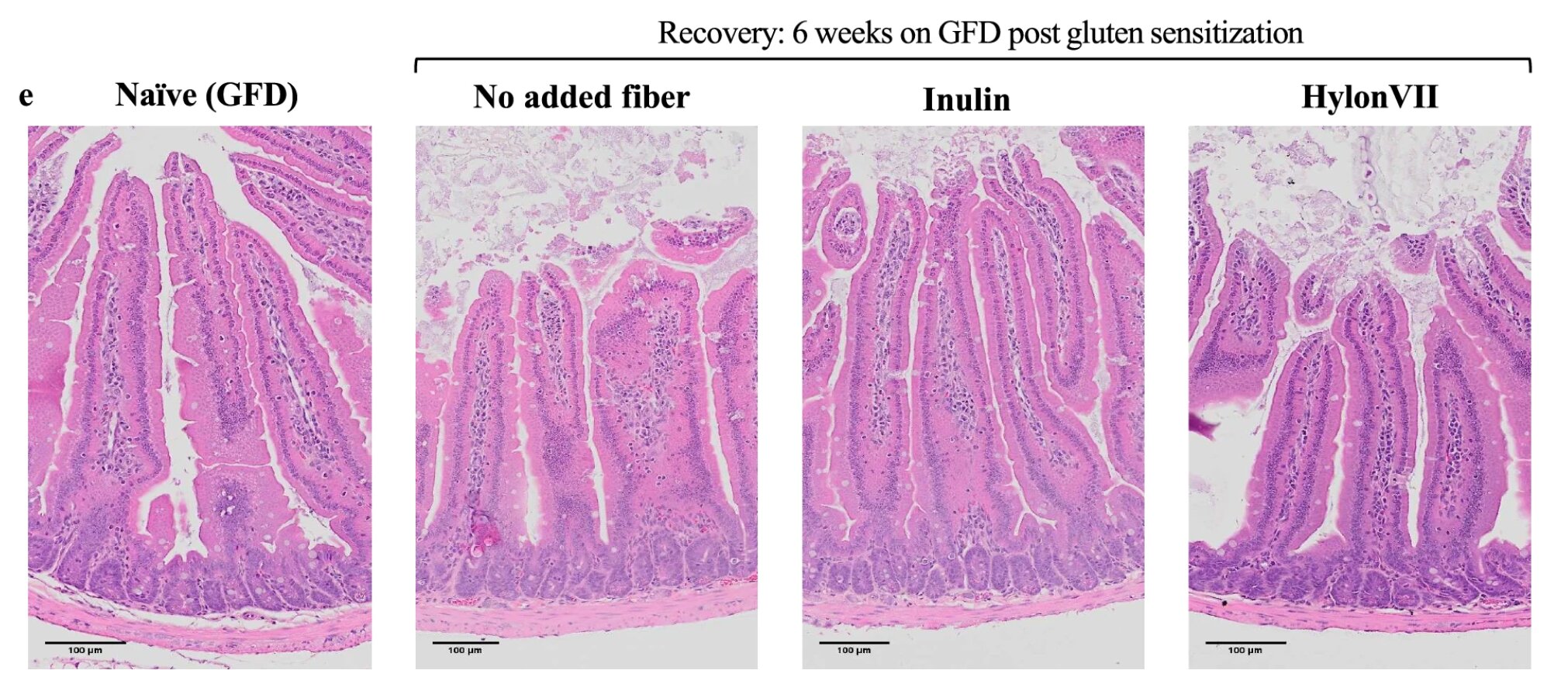
The research also evaluated the effectiveness of different types of dietary fiber. Inulin, a fiber found in foods such as bananas and garlic, was noted to accelerate recovery from gluten-induced intestinal damage by nourishing the small intestinal microbiome. In contrast, Hylon VII, a corn-based resistant starch, did not demonstrate the same benefits, highlighting that the quality of fiber may be crucial for individuals with celiac disease.
To further investigate these effects, the researchers analyzed small intestinal fluid from three groups: newly diagnosed celiac patients, those on a gluten-free diet for over two years, and healthy controls. Their results indicated that most participants, including those with celiac disease, consumed less fiber than recommended by Health Canada.
Both groups displayed a combination of low fiber intake and an absence of beneficial bacteria necessary for fiber metabolism, suggesting that improving gut health in celiac disease may require both the right types of fiber and beneficial bacteria—known as a synbiotic approach.
More research is necessary to explore how fiber and microbial restoration may enhance symptoms and treatment efficacy before definitive clinical guidelines can be established.