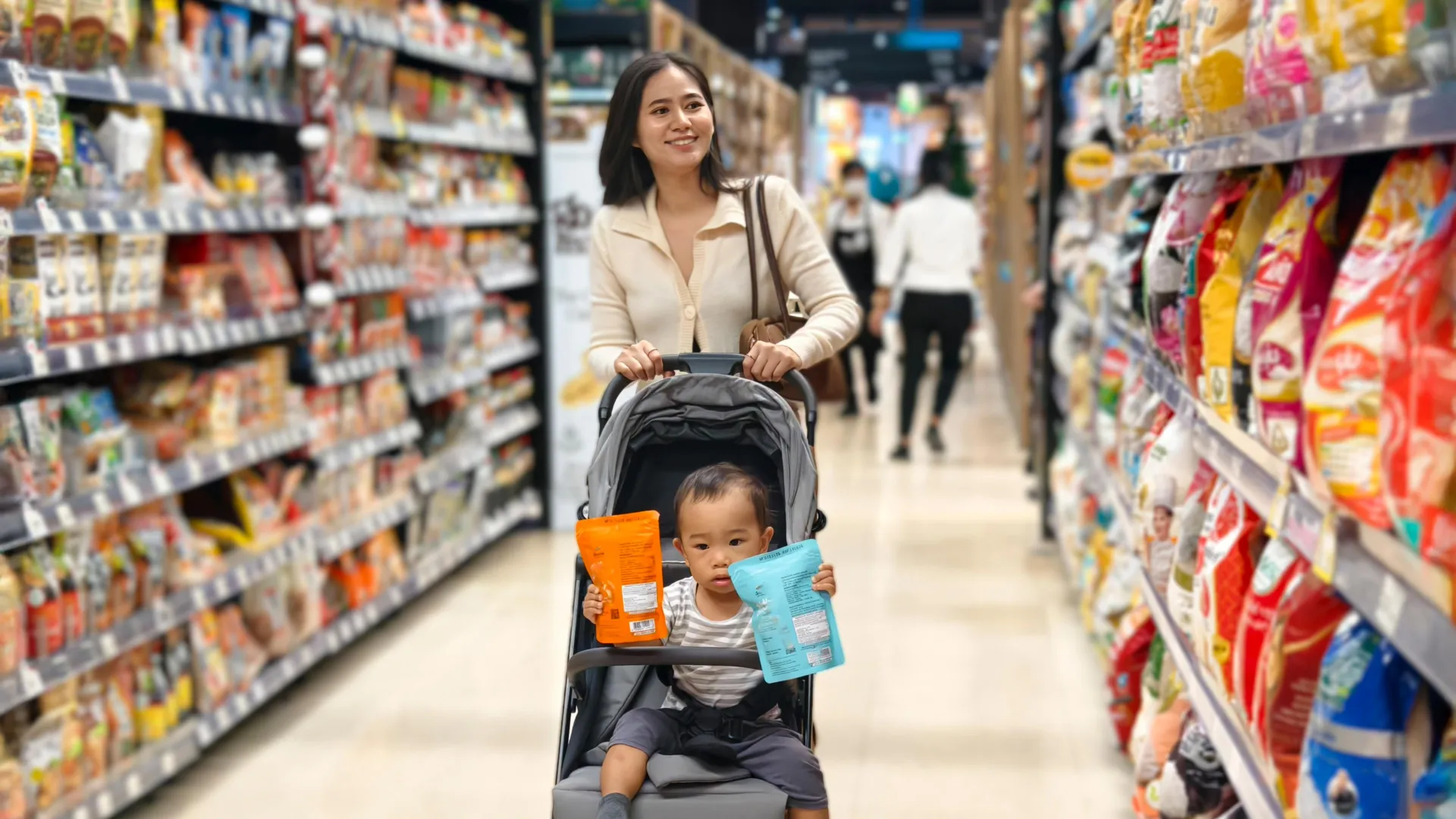
A review of toddler foods from 21 grocery stores in Texas found that 80% of the products were classified as ultra-processed. Additionally, 49% of these items did not meet at least one nutrient standard set by the World Health Organization (WHO) Nutrition and Promotion Profile Model for commercially marketed foods aimed at children aged 6 to 36 months.
Read More
This research coincides with the U.S. Food and Drug Administration's consideration of new regulations for front-of-package nutrition information and marketing targeted at children. Unlike many other countries, the U.S. does not mandate warning labels for foods high in sugar, sodium, or calories.
Erin A. Hudson, JD, ASN Science Policy Fellow, and a PhD candidate at The University of Texas at Austin, highlighted the issue, stating, "Many parents may assume that products on baby/toddler food aisles must meet certain nutrient standards. Our findings highlight that half do not." Hudson emphasized the need for parents to carefully examine labels to understand the nutrient content and processing levels of toddler food products.
The findings were shared at NUTRITION 2026, the annual conference of the American Society for Nutrition, held from July 25-28 in National Harbor, Maryland. Hudson and Marissa Burgermaster, PhD, conducted the study together.
Food choices during toddler years can significantly shape children's flavor preferences and dietary habits in later childhood, which may affect long-term health. The study found ultra-processed toddler foods were more likely to have higher sugar content compared to less processed items.
Researchers assessed 2,783 products, categorizing 81% as ultra-processed according to the Nova classification system. Concerns were raised as 17% of products did not meet WHO-recommended sugar levels, while 25% exceeded sodium recommendations. Additionally, 11% did not meet fat content standards, and 12% fell short in energy density.
Examples of problematic products included fruit pouches, oat bars, mac and cheese, turkey sticks, cheese puffs, and peanut butter puffs, all noted for high sugar or sodium content.
While higher fat or calorie levels do not inherently mean lower nutritional quality, ultra-processed toddler foods tended to offer large amounts of sugars without equivalent nutritional benefits. This supports the recommendation for parents to limit their toddlers' intake of ultra-processed foods.
Hudson stated, "During these critical early years of development, most parents are trying to feed their children healthfully but may be challenged by the products available in stores." She suggested that warning labels for products exceeding nutrient thresholds could aid parents in making informed decisions and encourage manufacturers to reformulate their products.
The study's focus was mainly on packaged foods available at grocery stores, which may not reflect the entire array of foods that parents serve at home. Hudson presented these preliminary findings during the conference on July 26. Although the abstracts were peer-reviewed by a committee of experts, they have not yet undergone the full peer review process required for scientific journal publications.