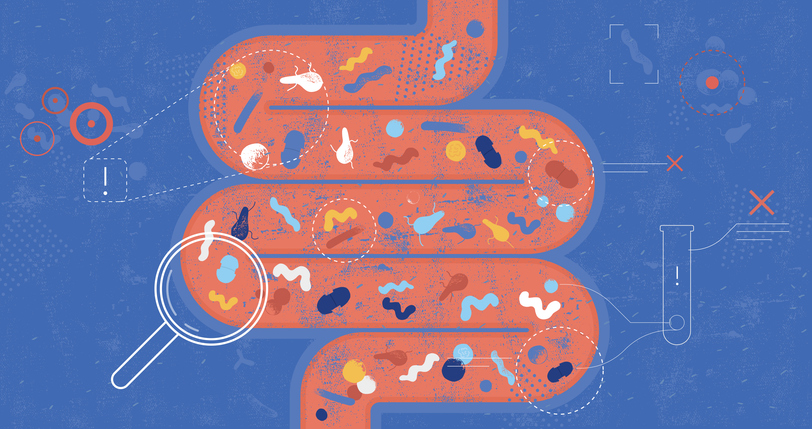
A study has revealed that individuals with celiac disease may not fully benefit from high-fiber diets or supplements due to missing gut bacteria. Celiac disease, an autoimmune condition triggered by gluten, leads to inflammation and injury in the small intestine, resulting in various symptoms. While many patients experience symptom relief on a gluten-free diet, this dietary restriction can lead to nutrient deficiencies, including fiber.
Read More
Recent research highlights that the advantages of fiber intake are influenced by the gut microbiome's composition. Although alterations in duodenal microbiota in celiac disease are recognized, their effect on fiber metabolism was previously unclear.
The study found that celiac patients exhibited a significantly lower capacity to metabolize dietary fiber due to a lack of Prevotellaceae bacteria in the small intestine. This finding was consistent in both newly diagnosed individuals and those who have adhered to a gluten-free diet for years, suggesting it is unrelated to gluten avoidance.
The study is detailed in the article, “Small intestinal microbial fiber metabolism dysfunction in celiac disease,” published in Nature Communications. Mark Wulczynski, a postdoctoral fellow at McMaster's Farncombe Nutrition Initiative, explained that the initial assumption was that patients simply needed more fiber. However, it was discovered that the absence of specific bacteria may hinder the effective use of the fiber they are consuming.
Celiac disease impacts roughly one percent of the population, with a strict gluten-free diet as the only current treatment. The new research implies that eliminating gluten may not fully restore the gut microbiome's functional abilities. Future treatments could incorporate dietary strategies alongside microbiome-focused interventions, such as microbial restoration or specific probiotics.
Elena Verdú, a professor at McMaster’s department of medicine, emphasized that while a gluten-free diet is crucial for managing celiac disease, enhancing gut microbiome health may also be essential. The study revealed less fiber-processing activity in the upper gut—a region typically not associated with fiber metabolism. This finding suggests a potential for combining fiber intake with probiotics capable of metabolizing fiber.
Using preclinical models, researchers examined various fiber types beneficial for intestinal healing. They found that inulin, a fiber present in foods like bananas and garlic, could promote recovery from gluten-induced intestinal damage by nourishing the small intestinal microbiome. Specifically, germ-free mice colonized with Prevotella showed increased production of short-chain fatty acids when supplemented with inulin, which also facilitated mucosal healing in gluten-sensitized mice.
To validate these findings, researchers collected small intestinal fluid from three participant groups: newly diagnosed celiac patients, those on a gluten-free diet for over two years, and healthy controls. They analyzed the microbiome to identify the presence of bacteria capable of breaking down different fiber types, comparing the results with participants' estimated dietary fiber intake and plant DNA in stool samples. The results indicated that celiac patients consistently exhibited both low fiber intake and a deficiency of bacteria needed for fiber metabolism in the small intestine, underscoring the importance of both dietary fiber and appropriate gut bacteria for managing gut health in celiac disease.