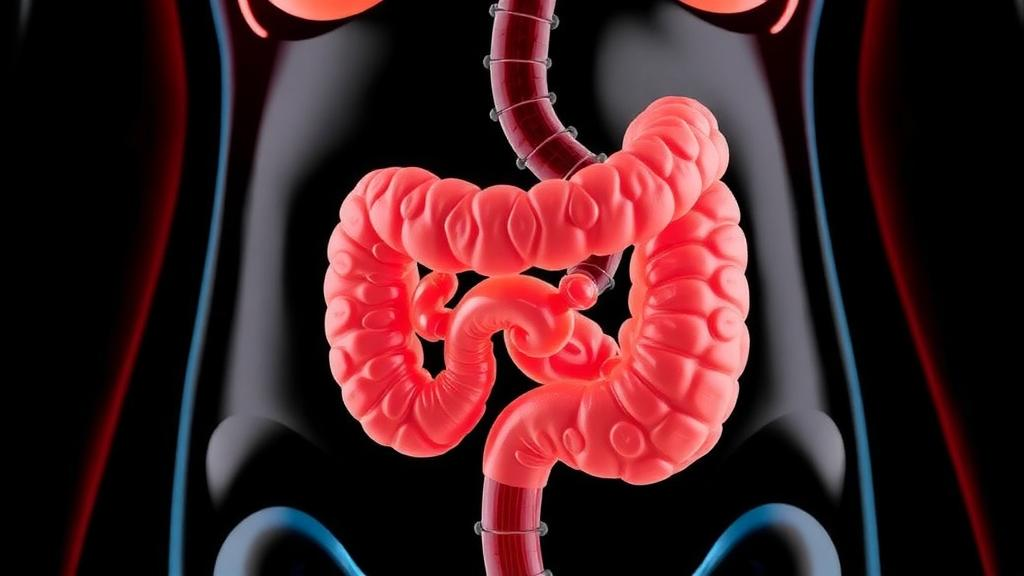
Research from McGill University published in Nature explores the obesity paradox, which notes that while obesity increases cancer risks, patients with higher body mass indexes sometimes respond better to immunotherapy. This investigation suggests that the complex relationship between diet, gastrointestinal bacteria, and cancer treatment efficacy may offer new insights, rather than just reinforcing the importance of healthy eating and exercise.
Read More
The focus of the research is on immune checkpoint blockade, a form of cancer treatment that enhances the immune system's ability to fight tumors. However, many patients experience limited benefits. Previous studies have pointed to the gut microbiome—the diverse community of microorganisms residing in the digestive tract—as a key factor affecting treatment response, with diet playing a crucial role in shaping this microbial environment.
The study involved collaborative efforts led by Daniela Quail, an Associate Professor at McGill, and researchers Logan Walsh, Bertrand Routy, and Arielle Elkrief. The team tested various diets' effects on checkpoint inhibitor responses using mice. They compared twelve different diets to examine how specific nutritional patterns influenced both the gut microbiome and overall treatment outcomes.
Unexpectedly, some diets typically deemed unhealthy enhanced the animals' responses to the immunotherapy. This benefit was evident after short-term exposure, suggesting that immediate dietary changes, rather than long-term obesity effects, could influence outcomes. Quail described the findings as surprising, challenging the conventional wisdom that health benefits uniformly correlate with healthy eating.
The study highlights a dynamic interaction between gut bacteria and diet, emphasizing that the composition of the microbiome, shaped by food choices, can significantly affect treatment responses. This perspective helps clarify the obesity paradox, indicating that the link between body mass index and treatment efficacy may be more about diet and microbiome interactions than weight alone.
However, researchers cautioned against forming dietary guidelines for cancer patients based solely on this study. They emphasized that adopting diets associated with weight gain carries significant health risks, including cardiovascular diseases and poorer cancer outcomes. Instead, the goal is to identify the specific dietary components and microbial metabolites that enhance immune responses, potentially allowing for beneficial effects without the harmful implications of unhealthy diets.
The broad support for this interdisciplinary research underscores its significance in the fields of immunology, microbiology, nutrition, and oncology. Although clinical applications for cancer patients based on this study are not ready, it establishes a clear pathway for future research to investigate how specific microbes and nutrients can safely improve immunotherapy effectiveness for a wider range of patients.