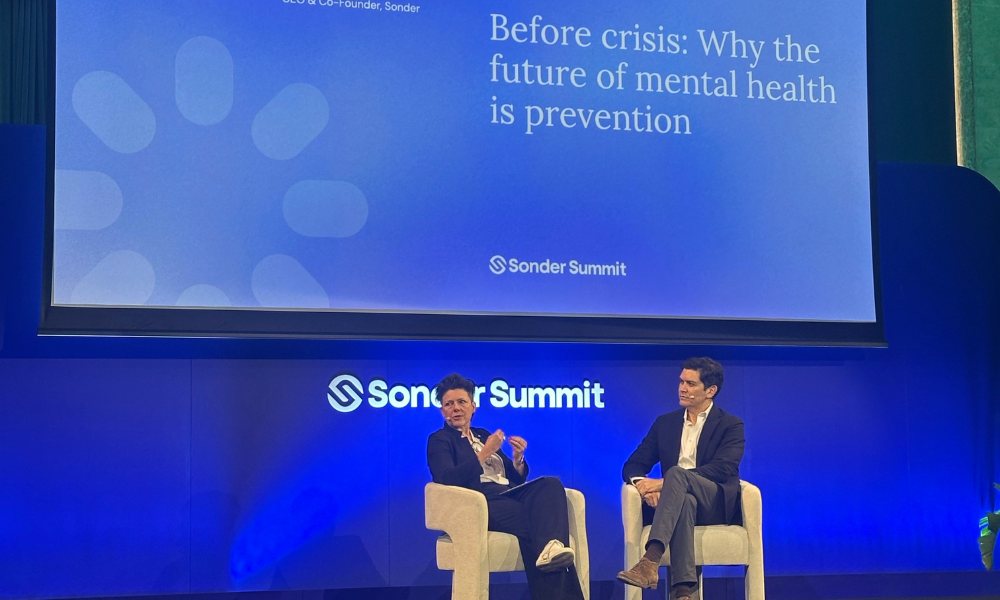
Georgie Harman, CEO of Beyond Blue, emphasized the importance of fostering a supportive workplace culture for mental health during the Sonder Summit 2026. In a conversation with Craig Cowdrey, CEO and co-founder of Sonder, Harman bluntly advised leaders to "Don’t be a dickhead," highlighting that mental wellness should not merely be a compliance issue but a fundamental aspect of humane leadership.
Read More
Harman pointed out that the essence of workplace mental health lies in human connection and compassion, often overshadowed by the pressures of stressful work environments. She remarked, "We often forget about the power of humanity and human connection. We're all incredibly busy and stressful, and sometimes that changes who we are… Don't think about this as a compliance task."
Harman also presented alarming new data indicating that nearly 50 percent of Australians report symptoms of depression and anxiety, a significant increase from 6 percent to around 8 percent over the past two years. Financial stress remains the foremost cause of this increase, with many individuals refraining from seeking help due to the costs associated with mental health services. Housing stress has also risen, now identified as the second largest source of distress.
"We've got this triple whammy of money concerns being the main driver of psychological distress across Australia at the moment," Harman explained. She noted that a significant barrier to reaching out for assistance is the expense of services, which can include travel costs and copayments.
On a positive note, Harman acknowledged that more people are seeking help earlier, suggesting that decades of public health messaging are gradually influencing behavior.
To support HR professionals advocating for preventive mental health investments, Harman referenced a PwC report from approximately 12 years ago, which indicated an average return of $2.30 for every dollar spent on such workplace initiatives. She also mentioned ongoing research by the CSIRO (Commonwealth Scientific and Industrial Research Organisation) that examines how various societal issues will impact mental health in the coming years. Despite improvements in Australia concerning stigma and help-seeking behavior, she noted these advancements are not being mirrored globally.
Harman raised concerns about people managers, whom she described as being in a "frozen middle." These individuals are expected to ensure psychological safety while managing competing pressures without necessarily being experts in mental health. She urged for more honest discussions regarding what employers can realistically expect from these managers, as regulatory frameworks often outpace practical considerations.
In the summit's leadership workshop, Shelley Johnson, founder of Boldside, echoed Harman's views, emphasizing that effective leadership should focus on consistency in care rather than mere compliance. Johnson outlined three essential elements for strong leadership: care, belief, and challenge, stating that effective challenges can only arise in an environment where care and belief are established. The overarching message is clear: sustainable workplace wellbeing relies on leaders who consistently prioritize the needs of their employees.