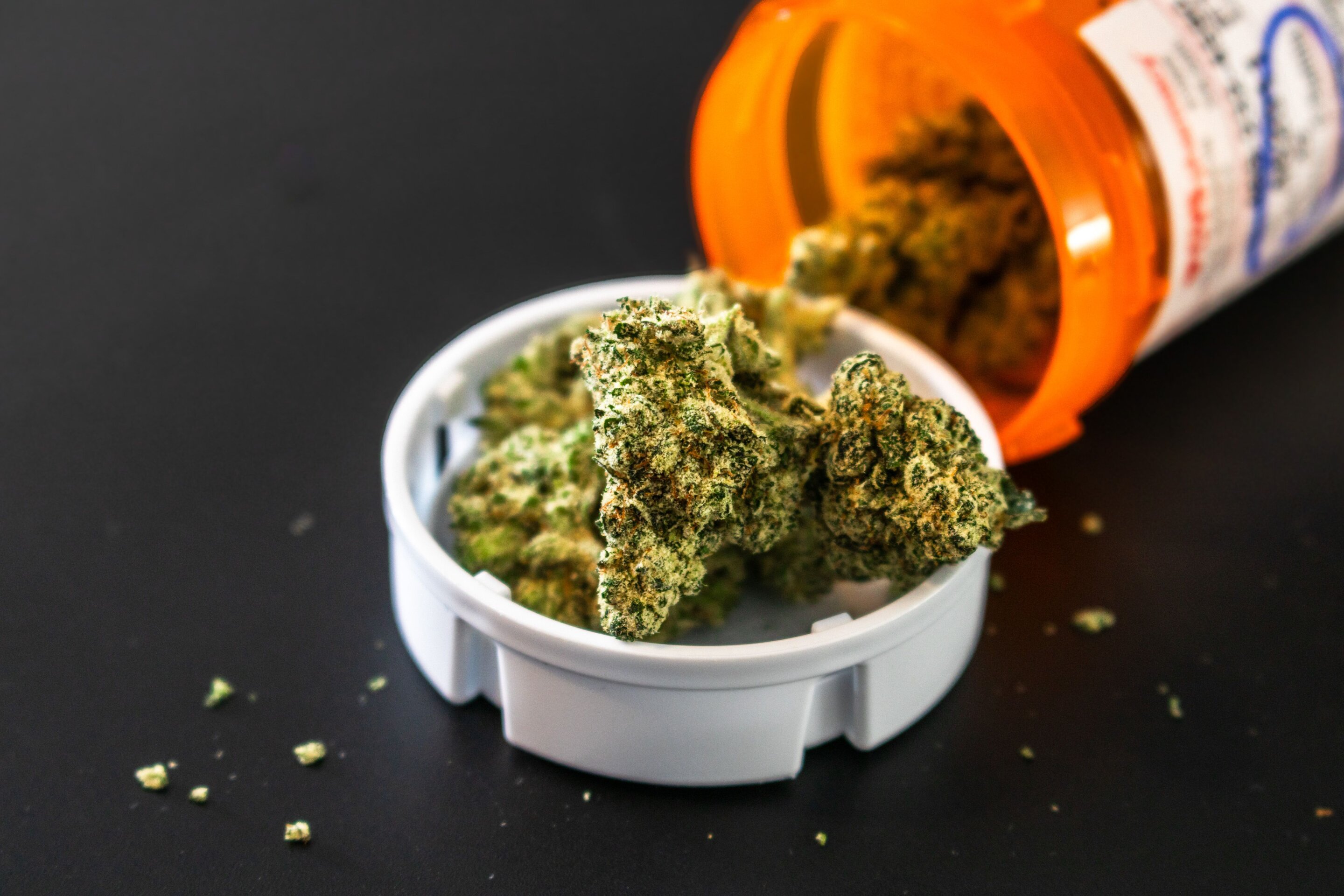
A recent Cochrane review indicates that there is insufficient evidence to determine whether medical cannabis effectively improves sleep or daytime functioning in individuals with insomnia. Insomnia, a common sleep disorder, affects a person’s ability to fall or stay asleep, often resulting in feelings of unrefreshment upon waking and potentially leading to anxiety or depression over time.
Read More
Current treatments for insomnia include cognitive behavioral therapy and medications like antidepressants and antipsychotics; however, their effectiveness can vary significantly. Interest in medical cannabis as an alternative treatment has grown due to claims of its benefits for sleep, typically involving controlled doses of THC and CBD in forms such as tablets, oils, or sprays. Nonetheless, its use for insomnia remains a topic of debate.
The review, led by researchers from the Cochrane Associate Centre at Universidad Hospital Italiano de Buenos Aires and the University of Manitoba, evaluated nine studies involving 537 adults aged 18 to 76 with insomnia. Most studies focused on primary insomnia rather than insomnia related to other health issues. Eight trials compared medical cannabis against a placebo, while one compared it to the antidepressant amitriptyline.
The findings revealed that medical cannabis did not yield any clinically meaningful improvements in sleep quality, satisfaction, total sleep time, or daytime functioning compared to placebo. Participants using medical cannabis were more likely to experience mild adverse effects, such as dry mouth and dizziness, although this was based on a limited number of studies.
While there was some evidence suggesting an improvement in quality of life, the certainty surrounding this evidence was rated very low, indicating that outcomes could range from slight deterioration to substantial enhancement. Dr. Lucia Varela, the study’s lead author from the University of Manitoba, noted that the existing research does not provide reliable answers regarding the effectiveness of medical cannabis for insomnia, urging caution in interpreting the results.
The review also classified the overall quality of the evidence as very low to low, primarily due to biases within the studies, inconsistencies in results, and small sample sizes. Variations in the types of cannabis products used further hindered comparability among trials, and the longest study only followed participants for 12 weeks, making long-term effects unclear. Additionally, the demographic data showed a skew towards younger participants and women, with 72.66% of subjects being female, suggesting that findings may not be applicable to older adults or men.
The authors emphasized the need for higher-quality research to substantiate any recommendations for medical cannabis use in treating insomnia. Dr. Luis Garegnani, the senior author from Universidad Hospital Italiano de Buenos Aires, stated that the results should not be interpreted as an endorsement or repudiation of medical cannabis but rather a call for recognition of the existing uncertainties as more evidence is sought.
The review is published in the Cochrane Database of Systematic Reviews under the title "Medical cannabis for the treatment of insomnia."