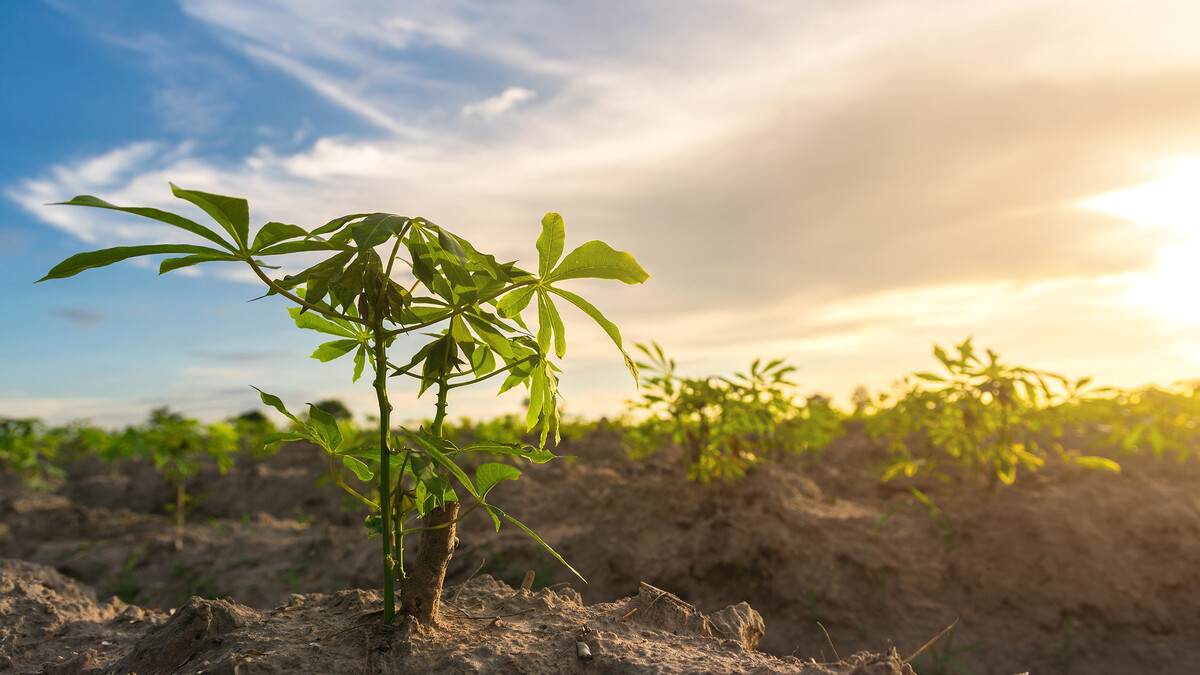
Decade-long research at the University of Nebraska–Lincoln may provide solutions to vitamin A deficiency in sub-Saharan Africa. Led by Edgar Cahoon, the George Holmes Professor of Biochemistry and director of the Center for Plant Science Innovation, the team aimed to increase provitamin A beta-carotene content in cassava.
Read More
Cassava, a starch-rich root crop, serves as a primary calorie source for over 250 million people in the region. However, its lack of essential micronutrients, including beta-carotene, has contributed to health issues such as childhood blindness in countries like Nigeria that heavily rely on cassava.
"Vitamin A deficiency continues to plague large portions of sub-Saharan Africa and has been estimated to affect the health of nearly 50 percent of preschool children in this region," Cahoon noted. "Beta-carotene-enriched cassava offers one solution to this problem."
The research team collaborated with the National Root Crops Research Institute to conduct Nigeria's first government-approved confined field trial of a genetically modified crop. The study utilized cassava plantlets that were shipped from Cahoon's laboratory in Nebraska.
The results showed successful increases in beta-carotene levels within cassava roots, although this biofortification led to a reduction in starch content. Similar results were observed in provitamin A-enhanced potatoes. The team also identified key genes that could help minimize starch loss in future biofortification efforts.
Another challenge in cassava production is the crop's short freshness post-harvest. However, the research indicated that increasing beta-carotene in cassava roots could significantly extend the shelf life, a finding that could benefit subsistence farmers who sell their crops in urban markets.
"Cassava storage roots that have longer shelf life could provide additional income to farmers and allow them to purchase more nutritionally diverse foods," Cahoon remarked. "This would have a major impact on addressing malnutrition problems in sub-Saharan Africa."
The study also revealed genetic and biochemical connections between beta-carotene enhancement and carbon storage, which could inform breeding and biotechnology strategies for improving provitamin A levels in other starch-rich crops. The biotechnological methods employed in these studies also allow for the potential addition of more genes to tackle other production and nutritional challenges of cassava, including plant virus sensitivity and low iron content.
The findings were published in the Plant Biotechnology Journal, with contributions from researchers at the Boyce Thompson Institute, Donald Danforth Plant Science Center, Kenya Agricultural Research Institute, New Mexico Consortium, Texas A&M University, and the University of Puerto Rico. The project received funding from the Bill and Melinda Gates Foundation, USDA-Agriculture and Food Research Initiative, and the National Science Foundation.