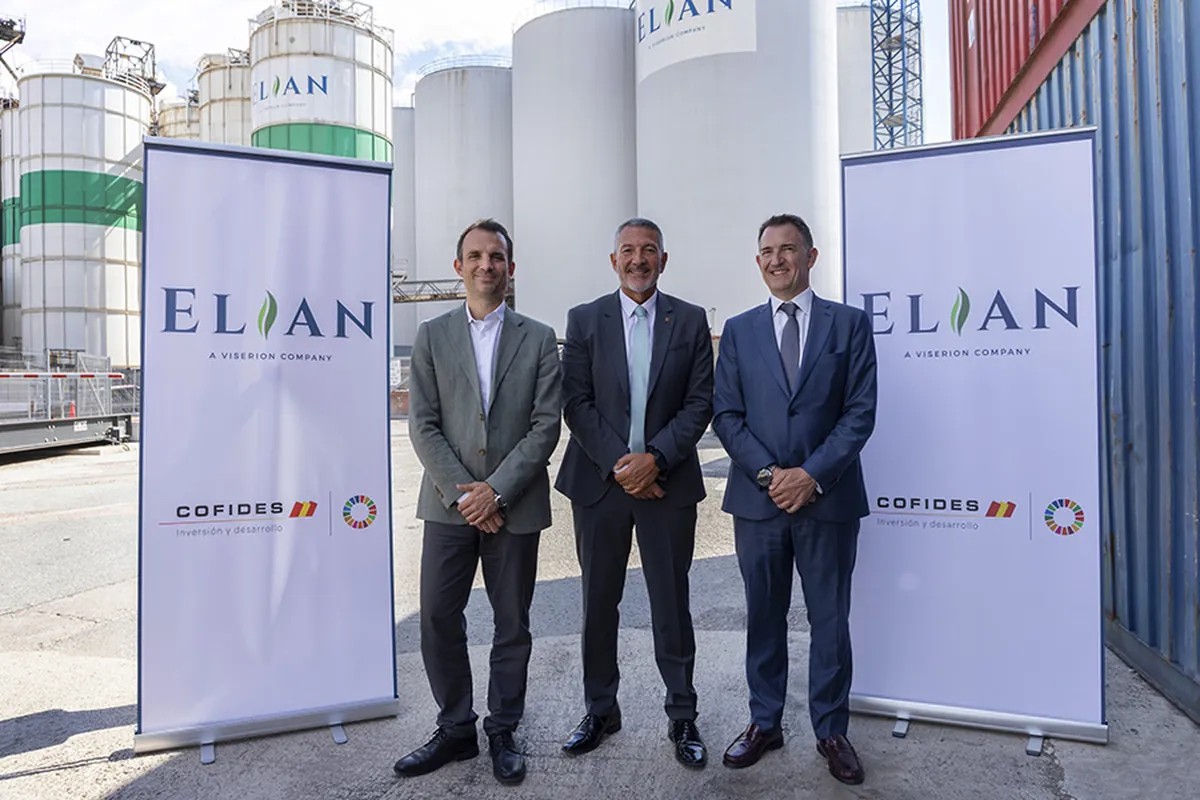
Elian, an agribusiness company, has secured €40 million (approximately US$46 million) in investment to enhance its plant-based protein production initiatives in Spain. This funding will support the expansion of its facility at the Port of Barcelona, aiming to bolster Europe’s supply of locally produced protein derivatives for both human food and animal feed.
Read More
The expansion is part of a larger investment plan exceeding €300 million (around US$344.5 million) for the plant protein production facility at the Port of Barcelona. Once completed in early 2028, the site is expected to increase its annual production capacity for protein derivatives by over 100,000 tons in addition to existing operations.
Richard Petro, Elian’s commercial director, stated that the expanded facility will produce high-value products such as Soy Protein Concentrate (SPC), texturized soy protein concentrates (TSPC), and food-grade lecithin. He noted that these products will provide a high protein content, excellent digestibility, and strong nutritional and functional performance across various applications.
The Spanish Development Financing Company (COFIDES) has played a key role in securing these funds and has become a minority shareholder via the Co-investment Fund (FOCO). Elian intends to use this investment to establish a robust plant protein ingredient hub and support future growth.
At the Barcelona site, Elian is focusing on what Petro describes as “high-value applications” in both human nutrition and specialized animal nutrition. In the food sector, this encompasses plant-based products, hybrid meat applications, bakery items, snacks, and other formulations seeking high-quality protein ingredients.
Elian also identifies significant growth potential in the pet food sector and in specialized applications for high-value animal feed, particularly within aquaculture, like salmon farming. The company highlights that food and beverage manufacturers are increasingly emphasizing sustainability, traceability, supply security, and reducing the carbon footprint associated with raw materials.
In 2023, Elian Barcelona, a subsidiary of Viserion International, acquired a soybean crushing facility at the Port of Barcelona from Cargill. Through this facility, the company aims to enhance the resilience of the European protein supply by diminishing reliance on imports, thus preparing the European market for potential disruptions in global supply chains.
Founded in 2021, Elian focuses on developing plant-based protein infrastructure across Europe. Its capabilities include local processing coupled with access to global raw material networks and expertise in grains and feed ingredients. The product line features soy flour, soybean oil, soy protein concentrate, and soy lecithin, among others. The company is promoting non-GMO soybean cultivation in Catalonia and Aragon and plans to reach 3,000 hectares by 2026.
Elian's efforts align with the EU’s focus on enhancing protein supply chains through its Action Plan for strategic autonomy and sustainability. The EU currently imports nearly 94% of the soy used for animal feed, highlighting Europe’s vulnerability. The initiative aims to boost domestic oilseed and protein crop production for feed from 25.8% by 2025 to 35% by 2035. COFIDES acknowledges that achieving this goal will require expanding cultivation, improving processing capacity, and strengthening local supply chains.
Petro believes that by fostering high-value soy protein production in Europe and creating a more integrated supply chain from farmers to customers, Elian can deliver greater transparency and traceability throughout the value chain. This approach supports the sustainability goals of the European market while minimizing reliance on long-distance supply chains.
In July, the EU’s Protein Plan faced criticism from plant-based organizations for favoring animal feed over plant-based foods, as they argued it reinforced livestock production instead of reducing dependence on feed-intensive farming. Meanwhile, interest in protein diversification continues to rise globally, with consumers increasingly pursuing higher-protein foods. Innova Market Insights identified “Powerhouse Protein” as the leading global food and beverage trend for 2026, with nearly 60% of consumers seeking to incorporate more protein into their diets.