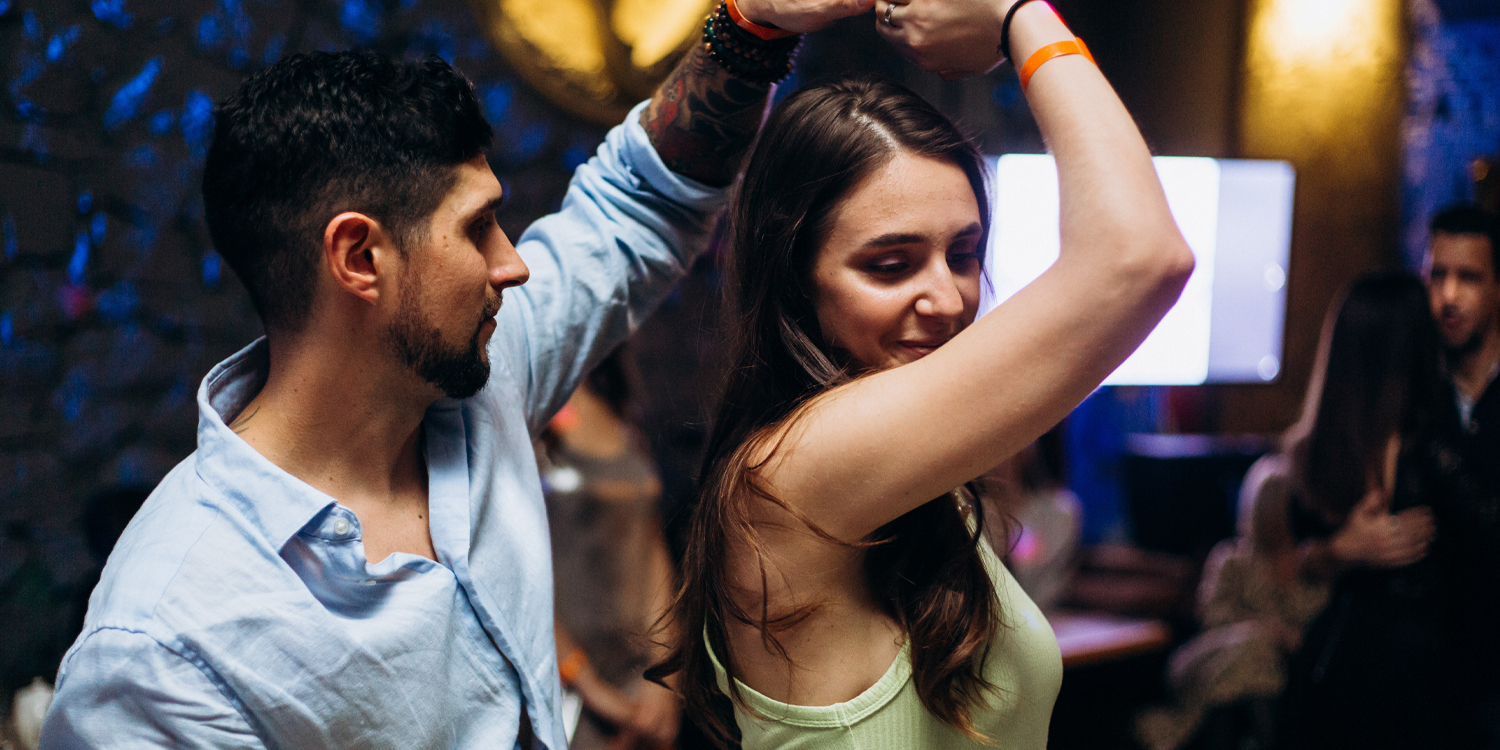
A recent trial published in Psychological Medicine suggests that an eight-week salsa dance program can help alleviate depressive symptoms and social anxiety in young adults. The study involved participants aged 18 to 24 who reported mild to moderately severe depressive symptoms. Those who attended salsa classes showed greater improvements compared to a control group that did not participate in the dance program.
Read More
Depression among young adults, particularly those aged 18 to 25, is a pressing public health issue, with many cases emerging during adolescence. A 2021 meta-analysis found that the incidence of mental health conditions peaks in this age group. Young individuals often hesitate to seek treatment, and when they do, they are more likely to discontinue it compared to older patients.
Led by doctoral researcher Brennan Delattre from the University of Oxford, researchers aimed to determine if social dance could effectively support young adults dealing with depression. Delattre explained that this age group is frequently underrepresented in treatment research, making it essential to find engaging alternatives that align with their preferences.
Isolation and loneliness are common among young adults, serving as both triggers for depression and obstacles to recovery. The researchers noted that wait times for mental healthcare can exacerbate feelings of hopelessness, motivating the search for accessible interventions like salsa dancing.
The study was informed by a youth advisory group at Oxford that helped identify salsa as the preferred dance style, based on feedback regarding potential engagement and enjoyment. The trial included 121 participants, who were randomly assigned to either the salsa dance program or a waitlist group.
Participants in the salsa group were required to attend at least six of eight weekly classes, taught by experienced instructors in a supportive environment. The control group had to wait 12 weeks for access to the dance classes while completing the same mental health assessments as the salsa group.
Throughout the study, questionnaires tracked mental well-being, including depressive symptoms, social anxiety, and loneliness. By the end of the 12-week period, results indicated that the salsa group experienced a significant reduction in depressive symptoms, with average scores on the Patient Health Questionnaire (PHQ-9) decreasing by about three points, while the waitlist group saw minimal change.
Delattre pointed out that the approximately 2.5-point difference in depression scores is clinically meaningful, suggesting that enjoyment in the dance classes may contribute to improved mood. Interestingly, the salsa group also experienced a decline in social anxiety, while the waitlist group showed no such improvement and even reported a decrease in enjoyment of social interactions over time.
While both groups reported reductions in general anxiety and loneliness, the salsa group notably reported a steeper increase in self-reported happiness throughout the study. However, it's important to consider that the study used a waitlist control, which could influence results, as participants might feel demotivated while waiting.
Delattre emphasized that while the salsa program appears effective compared to a waitlist, future research is needed to compare it against other activities or therapies. The study focused solely on salsa, and Delattre indicated that similar benefits might exist with other forms of social dance.
The trial faced challenges, such as a higher dropout rate in the salsa group. Only participants who completed the study were included in the final analysis, which could overshadow the results if those who left were benefiting less.
To further explore the potential of social dance, Delattre plans to conduct larger randomized controlled trials, examining its efficacy as part of mental health care systems like the NHS. She expressed gratitude to the various groups and participants that made the study possible, recognizing their contributions to this innovative approach to mental health support.
The findings are detailed in the study titled "The effects of a salsa dance intervention in young people with mild to moderately severe depressive symptoms," authored by Delattre, Joshua E.J. Buckman, Catherine J. Harmer, and Susannah E. Murphy.