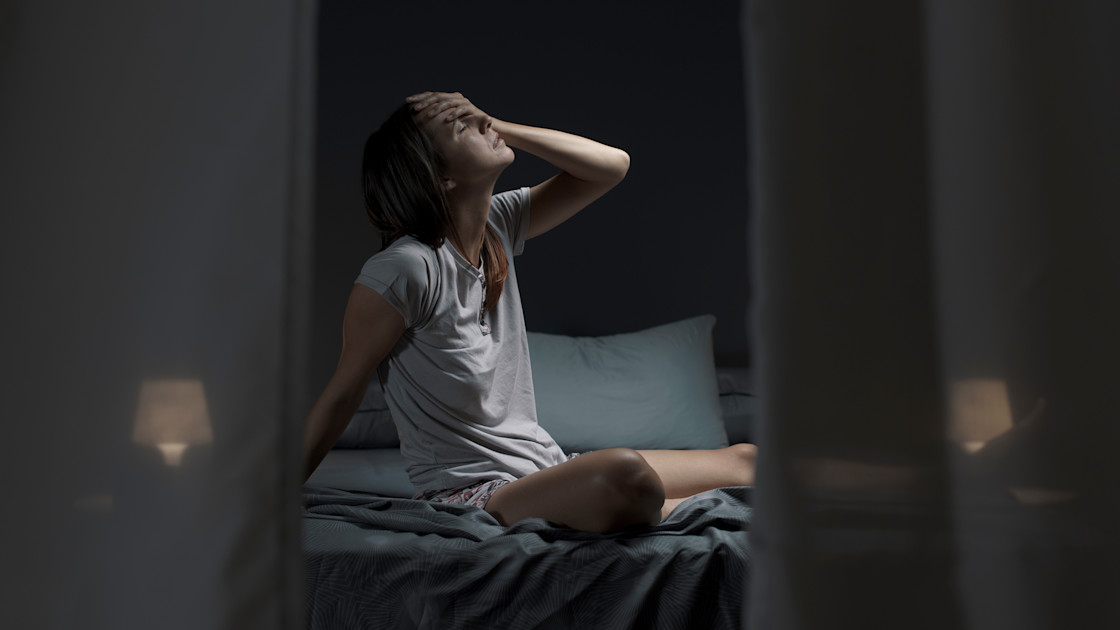
A recent study has found that anxiety and insomnia may weaken the immune system by reducing the number of natural killer (NK) cells, which play a critical role in defending the body against disease. Researchers from Saudi Arabia focused on young women with insomnia symptoms, discovering that their total NK cell count was lower. Similarly, those experiencing anxiety symptoms had fewer circulating NK cells.
Read More
NK cells are essential as they act as the body's first line of defense, targeting pathogens and infected cells to prevent disease spread. They can be found in both the bloodstream and in various tissues and organs. A depletion of NK cells can lead to immune dysfunction and increased risk of illness.
The study involved 60 female participants, aged 17 to 23, who completed surveys about their sociodemographic background, anxiety, and insomnia symptoms. Approximately 53% of the participants reported insomnia-like sleep disturbances, while 75% reported anxiety symptoms. Notably, moderate and severe anxiety symptoms were reported by 17% and 13% of the participants, respectively.
The research, published in Frontiers in Immunology, revealed that students with insomnia symptoms exhibited a decline in total NK cell counts and percentages. Dr. Renad Alhamawi, the study's first author and an assistant professor of immunology at Taibah University, highlighted that those with anxiety symptoms similarly had lower percentages and numbers of circulating NK cells compared to their symptom-free peers. Responses indicated that students with moderate to severe anxiety symptoms experienced a more significant decrease in NK cell counts.
Regarding the methodology, participants provided blood samples, allowing the measurement of NK cell percentages and subtypes. NK cells are categorized as CD16+CD56dim, predominantly found in the nervous system, and CD16+CD56high, involved in immunoregulation.
The findings suggest that reduced NK cell counts could impair immune system function, potentially leading to diseases and mental health issues like depression. Alhamawi noted that understanding how psychological stressors affect immune cells can provide insights into inflammation and tumor development.
However, the study has limitations; it exclusively examined young females, a demographic experiencing a rise in anxiety and sleep disorders, which may limit the applicability of the results to broader populations. The researchers called for future studies to include diverse age groups and sexes to enhance comprehension of anxiety and insomnia's effects on immune cell dynamics.
Previous research has indicated that a healthy lifestyle, including regular exercise and a balanced diet, can enhance NK cell function. However, anxiety and insomnia can disrupt various bodily systems, including the immune system, contributing to chronic and inflammatory diseases that ultimately affect overall health and quality of life.