A recent study co-authored by Justin Anker, Ph.D., from the University of Minnesota Medical School, represents the most extensive survey of mental health issues among actively licensed lawyers to date. This research provides the first large-scale assessment of work-related burnout in the legal profession, highlighting high levels of depression, anxiety, stress, burnout, and hazardous drinking linked to workplace conditions.
Read More
Conducted in partnership with Krill Strategies, a Pittsburgh-based behavioral health advisory firm, and the American Bar Association Commission on Lawyer Assistance Programs, the survey randomly invited lawyers from all regions of the U.S. It analyzed responses from over 39,000 working lawyers, adjusting the data to align with national benchmarks for age, gender, and race/ethnicity based on the American Bar Association's 2024 National Lawyer Population Survey.
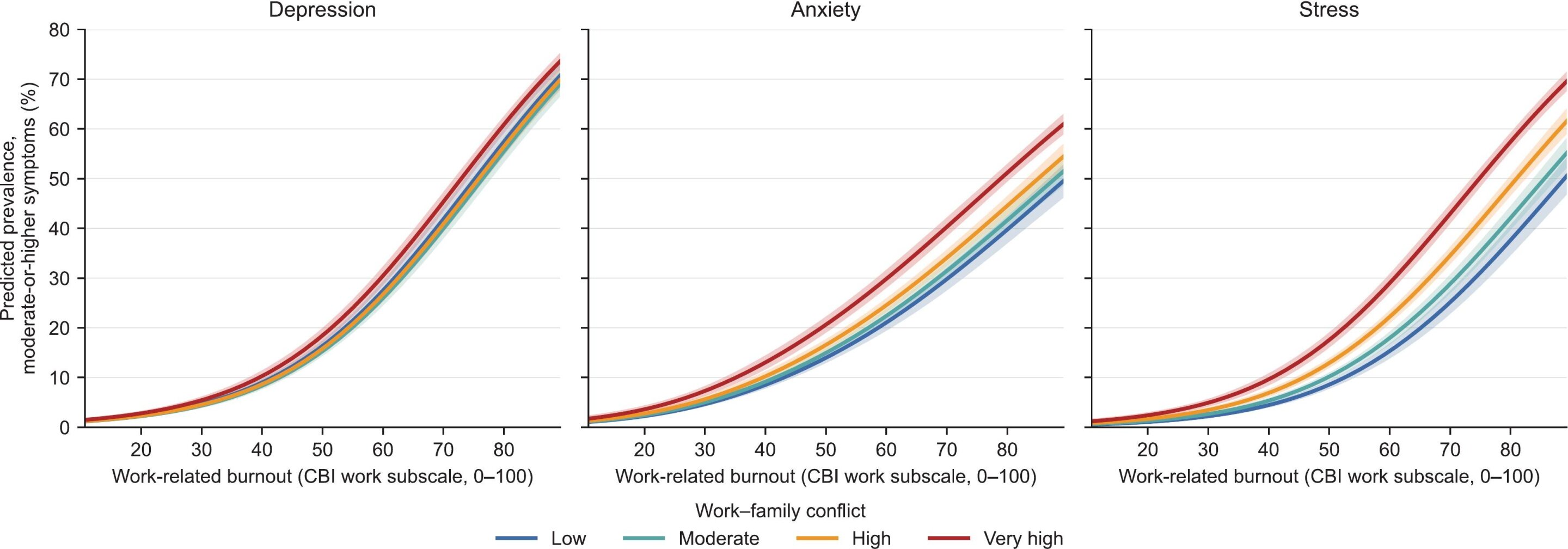
Dr. Anker noted, "Nearly half of the lawyers in this study reported high or very high burnout, with burnout being the factor most closely associated with distress." He emphasized the unprecedented scale of the measurements, which reflect how demanding the work is and the extent to which it interferes with personal lives.
Key findings from the study include:
- Approximately 50% of lawyers reported experiencing high or very high levels of burnout.
- Greater psychological distress was tied to higher burnout levels.
- Lawyers facing more significant conflict between work and home life reported increased distress, even accounting for burnout.
- About 21.6% reported moderate or higher symptoms of depression, 20.4% for anxiety, and 18.9% for stress on standard questionnaires.
- Nearly 40% screened positive for hazardous drinking.
- Levels of distress and burnout varied depending on work demands and practice settings.
- Concerns regarding confidentiality (53%) and potential career repercussions (49%) were cited as major barriers to seeking assistance.
Patrick Krill commented on the findings, stating that this research clarifies the relationship between professional demands and levels of distress and hazardous drinking, helping to identify areas for improvement in the profession.
The researchers acknowledged that the survey captures a single point in time, making it impossible to definitively conclude whether burnout leads to distress and hazardous drinking or vice versa. They suggest future longitudinal studies could further explore these relationships and test interventions aimed at reducing burnout and work-life conflict. Addressing the issues of confidentiality and career impacts will be vital for making interventions accessible to lawyers.
For those experiencing distress or burnout, the American Bar Association Commission on Lawyer Assistance Programs offers a directory of state programs that provide free, confidential support.