A study involving 499 participants, including 373 individuals with post-COVID-19 condition (PCC) and 126 healthy controls, has found a significant association between poor sleep quality and cognitive deficits in PCC patients. The research, part of the NAUTILUS Project, assessed cognition based on subjective sleep quality measured by the Pittsburgh Sleep Quality Index (PSQI) and evaluated potential moderating factors such as quality of life, fatigue, cognitive reserve, and subjective cognitive complaints.
Read More
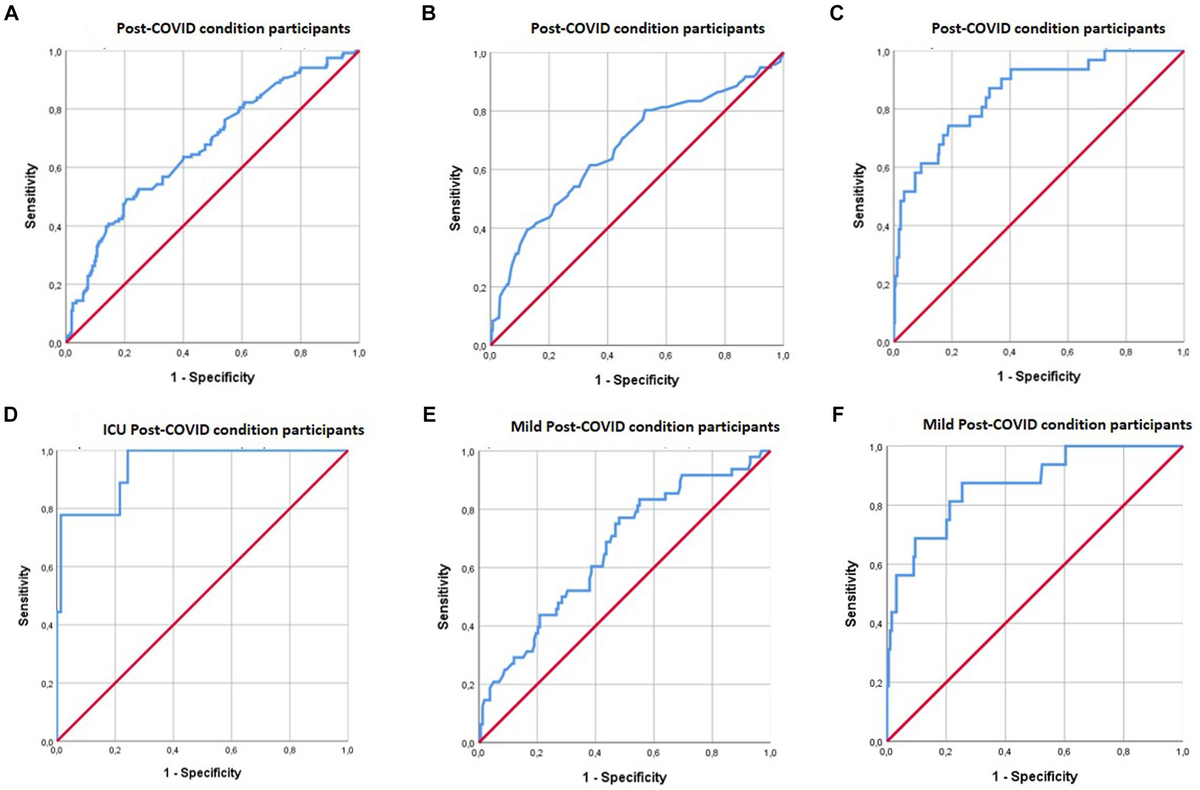
Results indicated that PCC participants with poor sleep quality exhibited a 4.3% increased risk of immediate verbal memory deficits compared to those with good sleep quality. This was reflected in an odds ratio of 1.043 and a confidence interval (CI) of 1.023–1.063. Furthermore, the risk of immediate verbal memory issues rose by 2.4 times when quality of life, measured with the European Quality of Life-5 Dimensions (EQ-5D), was low. Higher cognitive reserve was linked to a lower risk of delayed visual memory deficits.
The study revealed that individuals with PCC and poor sleep quality also had a 6.7% greater risk of processing speed deficits, which tripled in cases of lower quality of life. Conversely, those with a higher cognitive reserve experienced less cognitive impairment due to poor sleep quality.
The findings highlight that poor subjective sleep quality could potentially trigger cognitive deficits in PCC patients. The authors suggest that improving sleep quality may help mitigate cognitive impairments following COVID-19 recovery.
Cognition in PCC patients has been previously documented, with studies showing that 60 to 80% experience cognitive impairments such as attention, processing speed, and memory issues. The prevalence of sleep disturbances among these patients is notably high, ranging from 57 to 74.8%, making sleep quality a crucial factor in longitudinal outcomes of cognitive recovery post-COVID-19.
The research emphasizes the importance of therapeutic strategies aimed at enhancing sleep quality to potentially alleviate cognitive impairments in PCC individuals.