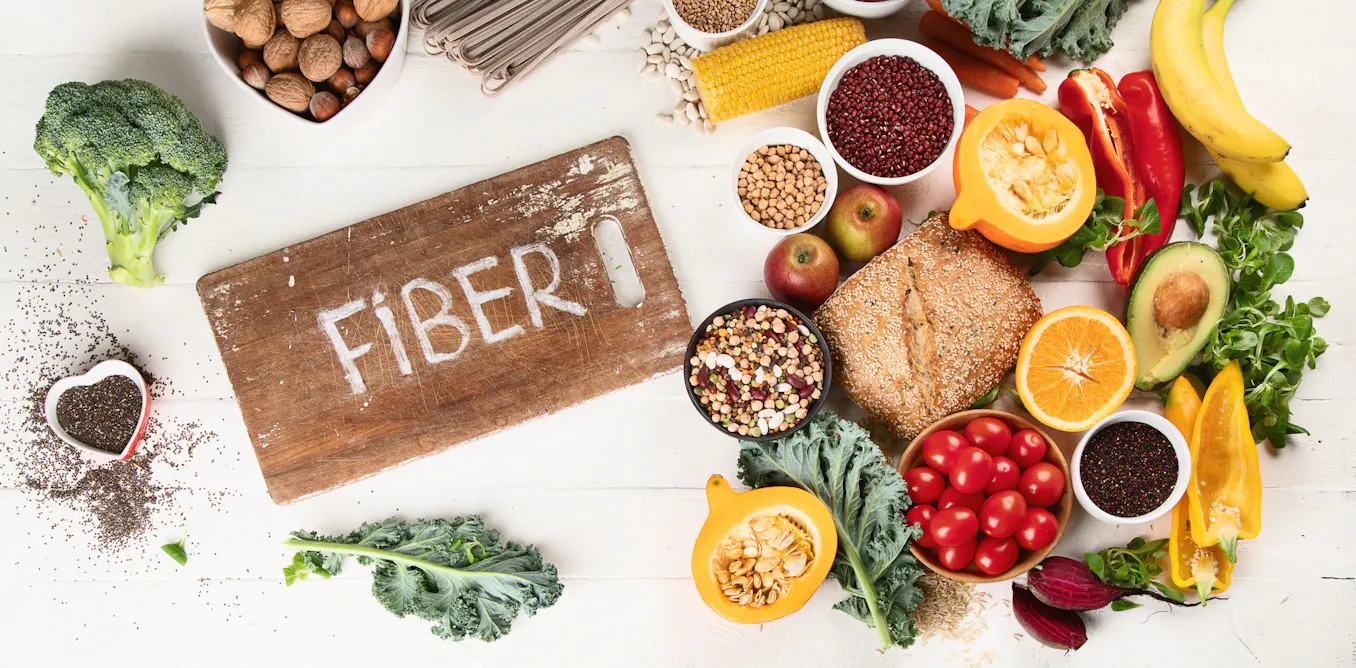
Americans are falling short on fiber intake, which has been linked to numerous health benefits, including reduced risks of cardiovascular disease and colorectal cancer, as well as alleviated arthritis symptoms.
Read More
The recommended daily fiber intake is 25 grams for women and 38 grams for men. However, from 2013 to 2018, only 4% of U.S. adults achieved this goal, with average daily consumption hovering around 16 grams.
Despite the health advantages associated with fiber, recent updates to the American dietary guidelines risk underplaying its importance by placing high-fiber whole grains at the bottom of the food pyramid. This has led to confusion, as the guidelines still emphasize the need for whole grains.
Fiber consists of carbohydrates that the body cannot digest, and can be acquired from a variety of foods including raspberries, avocados, oats, lentils, and whole grains. Fiber supplements, such as psyllium husk powder (brand name Metamucil), and isolated fibers like inulin, are also popular options.
Different types of fiber offer various health benefits. For example, viscous fibers like psyllium can create a gel when mixed with water, contributing to feelings of fullness, lowering cholesterol, and regulating blood sugar levels. Fermented fibers, such as inulin, promote the health of gut bacteria, which can help reduce inflammation in the body.
Probiotics also play a role in gut health by introducing beneficial bacteria through foods like yogurt and sauerkraut. While fiber serves as food for existing gut bacteria, probiotics add new strains to the microbiome, potentially enhancing digestive health.
Research indicates that diets high in fiber can lead to more active gut microbiomes, while those rich in fermented foods demonstrate greater bacterial diversity and lower inflammation levels. Combining both dietary components may enhance their respective health advantages.
To increase fiber intake, individuals should consider various factors such as cost, accessibility, and potential digestive discomfort from highly fermentable fibers. Experts recommend gradually increasing fiber consumption and maintaining hydration to aid digestion.
Finding the right balance may vary by individual; some may achieve recommended intake through whole foods alone, while others may incorporate supplements. A tailored approach is essential as there is no universal solution for dietary health.
Ongoing research seeks to clarify the specific types, amounts, and combinations of fiber that confer health benefits. Observational studies have suggested links between fiber-rich diets and lower disease risks, but larger clinical trials are necessary to inform dietary guidelines effectively. Educating the public to facilitate access to high-fiber foods remains a significant challenge in addressing the fiber gap.