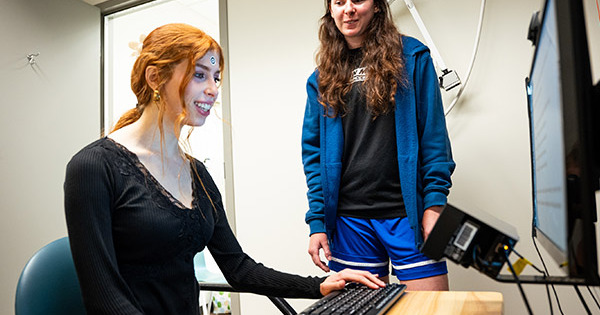
A recent study involving neuroscience major Rebecca Rothstein-Epp from Bryn Mawr suggests that nightlights, often used by parents to help children sleep, may actually hinder their rest. The research, published in *npj Biological Timing and Sleep*, found that nearly half of the analyzed commercial nightlights exceeded ideal light levels for pediatric sleep.
Read More
Rothstein-Epp explained, "Light exposure, especially high-frequency blue light, has a lot of effects on our ability to sleep." She noted that excessive light before bedtime can delay circadian rhythms, a process known as phase shifting, and suppress melatonin levels, which are crucial for sleep regulation. Notably, children are significantly more sensitive to evening light than adults, potentially five times more sensitive.
This study marks the first use of a new metric called melanopic equivalent daylight illuminance (EDI) to assess the biological impact of light on circadian systems. The research team evaluated 25 top-rated nightlights while Rothstein-Epp interned at the Uniformed Services University of the Health Sciences in Bethesda, Maryland, under Gena Glickman, the director of the Chronobiology, Light and Sleep Lab.
Despite many nightlights appearing dim, the study found that 56 percent produced melanopic EDI levels higher than the threshold deemed suitable for healthy sleep. Given that many children rely on nightlights and that poor sleep can lead to long-term health issues, Rothstein-Epp advocates for further research in this area. "Overall, ensuring good sleep is essential for better performance in daily life," she stated.
While the researchers do not recommend abandoning nightlights, they suggest parents choose products wisely. Rothstein-Epp advises that the most effective nightlights emit red or amber light at dim levels and are placed out of a child's direct line of sight. She humorously added, "We had a joke, make it as demonic as possible."
Rothstein-Epp, who joined Glickman’s lab through a competitive summer internship program in 2023, highlighted her experience in learning how to measure light and its effects on circadian rhythms. Glickman praised her dedication, noting that she continued to assist in drafting the research paper while attending college.
At Bryn Mawr, Rothstein-Epp is enhancing her research skills and working on a project related to olfaction and cognitive decline as part of her senior thesis. Looking to the future, she plans to pursue graduate studies, expressing her passion for contributing to research that improves quality of life.