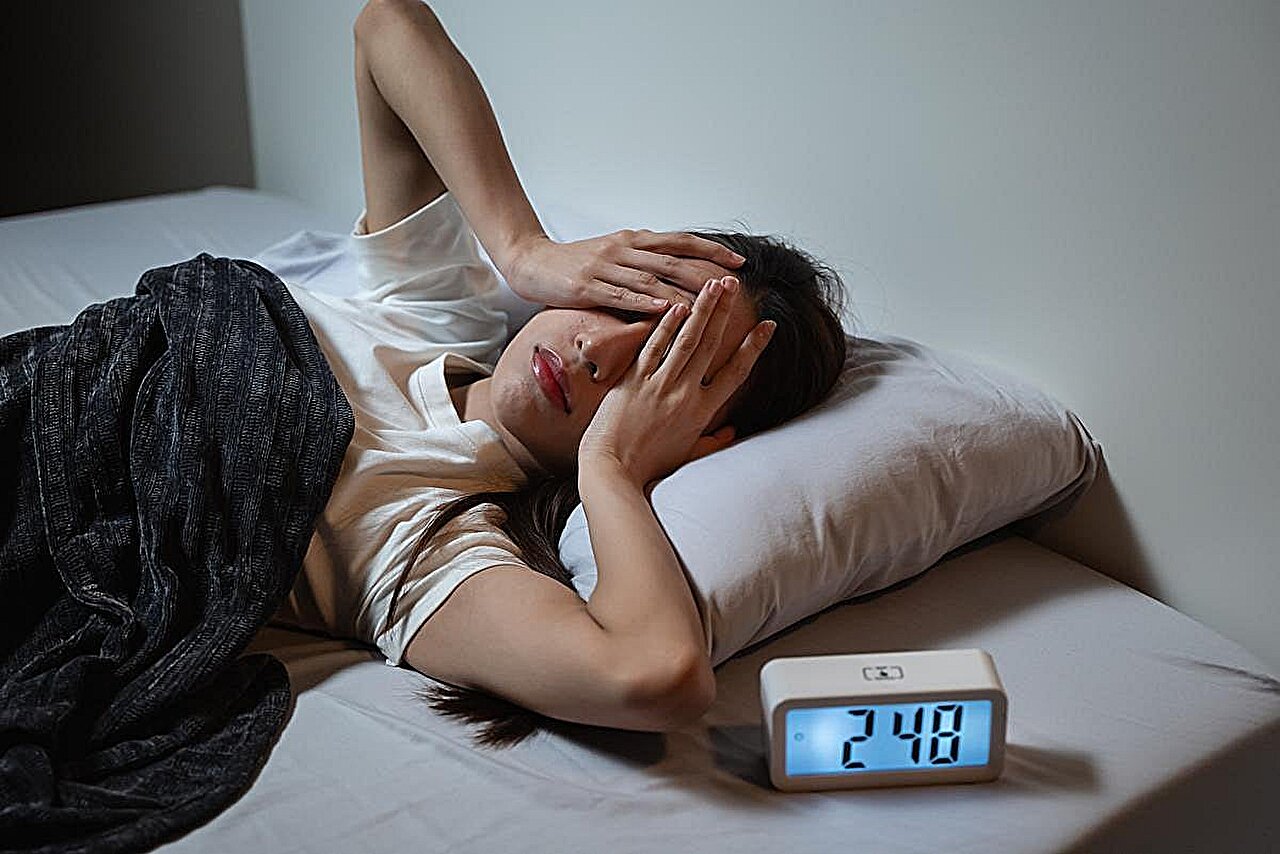
A new clinical practice guideline published in the Journal of Clinical Sleep Medicine emphasizes that cognitive behavioral therapy for insomnia (CBT-I) is the most effective first-line treatment for chronic insomnia. The guideline suggests that combining medications with CBT-I might not be ideal for all patients, although some could benefit from such an approach.
Read More
The research indicates that sleep medications alone tend to provide the least benefit in treating insomnia. Dr. Daniel Buysse, lead researcher and professor of psychiatry at the University of Pittsburgh, stated that while combination therapy is commonly practiced, the evidence supporting its effectiveness is limited. He noted that CBT-I alone offers the greatest efficacy, though it may enhance total sleep time when combined with medications for some specific cases.
Chronic insomnia affects 10% to 15% of adults. Previous guidelines did not address the combination of medication and behavioral therapy. In crafting the new recommendations, the American Academy of Sleep Medicine convened a task force that systematically reviewed existing evidence on insomnia treatments.
The task force concluded that behavioral therapy demonstrates significant and lasting improvements without the side effects associated with sleep medications. However, combining therapy with sleep drugs may be appropriate for select patients. The guidelines indicate that sleep medications for insomnia—like triazolam, ramelteon, zaleplon, doxepin, suvorexant, temazepam, zolpidem, and eszopiclone—should primarily be used in conjunction with behavioral therapy.
These recommendations are accompanied by a note of caution; evidence supporting the combination treatments is limited and necessitates further research. Patients are encouraged to consult their doctors for tailored treatment plans. Dr. Buysse emphasized the importance of patient-centered decision-making rather than adopting a uniform approach.