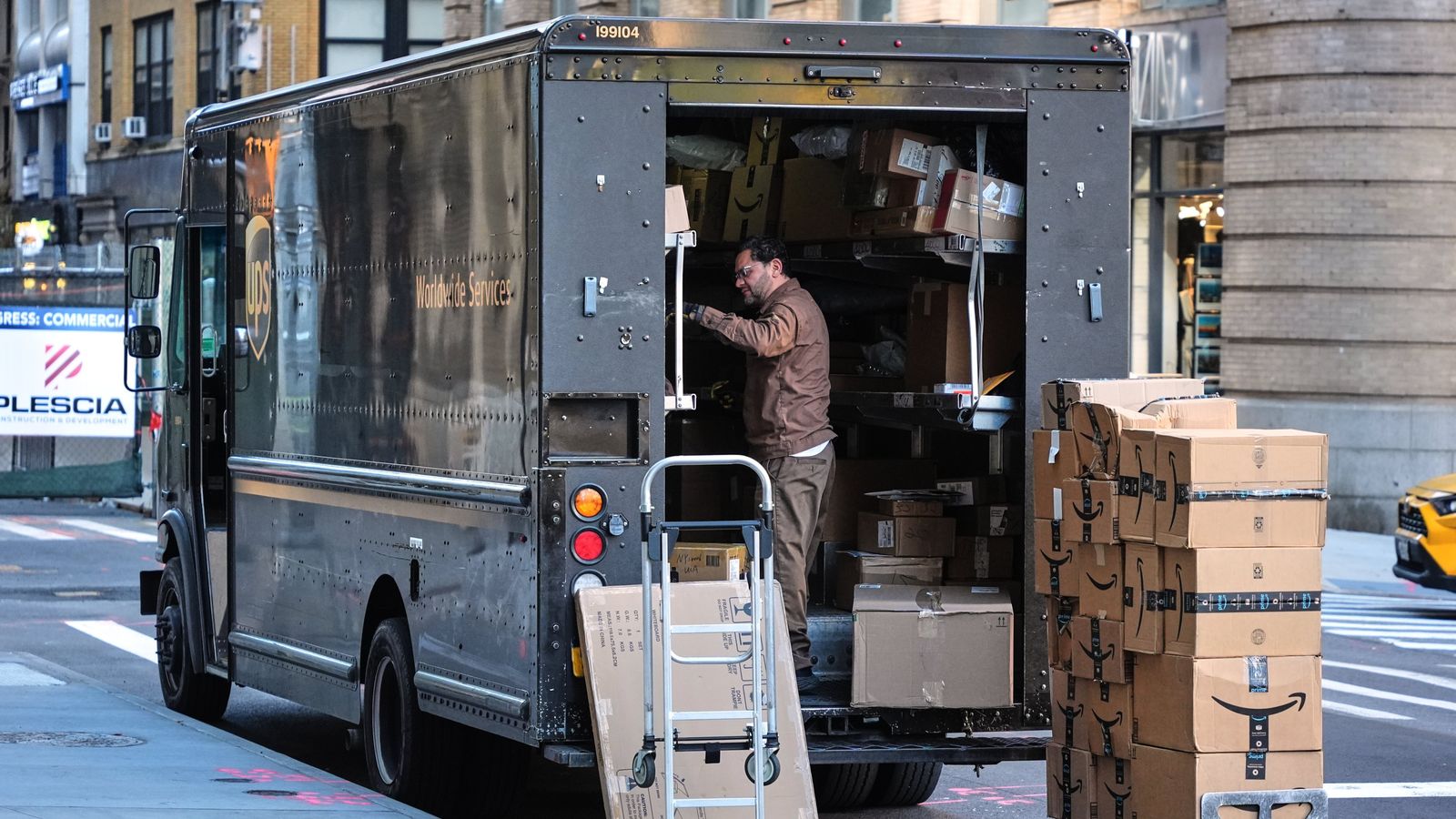
Workers at UPS’s 43rd Street hub in Manhattan are facing challenging conditions due to changes in their work schedules. Following the elimination of the Midnight shift, many employees now follow a split-shift schedule that entails working from 10:30 p.m. to 3:30 a.m., resulting in long, unpaid waits in between shifts. This often leads workers to sleep in the cafeteria, wander the streets, or remain away from their families throughout the week.
Read More
Employees are performing a four-hour Twilight shift, ending around 10:30 p.m., and then must wait for their Preload shift, which starts between 3:30 a.m. and 4:00 a.m. Given that some workers commute an hour and a half one way, the short interval makes it impractical for them to go home, eat, rest, or even sleep properly. A worker noted the exhaustion this causes, saying, "One shift after another for eight hours is OK, but not this."
UPS pays for eight hours of work but utilizes 13 to 14 hours of the workers' day, leaving many unable to engage in normal activities or family life. This restructuring is part of a national initiative, with UPS stating that its “Fit to Serve” program has led to the elimination of approximately 14,000 positions, primarily in management, and a reduction in the operational workforce by 48,000 positions overall, including 15,000 seasonal jobs. The program has also resulted in the permanent closure of 93 facilities, including 85 under daily operations.
UPS has invested in automation, opening a new sorting facility in Bayonne in 2023, while returning $6.4 billion to shareholders through dividends and stock buybacks in 2025. As part of the restructuring, the Midnight operation at the 43rd Street hub was partly shut down in early 2024, which displaced numerous workers due to seniority shifts.
Workers are increasingly adapting to these conditions; some are seeking full-time driving positions, while others may relinquish full-time status to gain more control over their schedules. For many, this means limited interactions with their families, who may live farther away.
Concerns over safety and fatigue have been raised among workers. The rigorous split schedules are believed to contribute to accidents, as demonstrated by an incident involving a worker who fell asleep while driving home. Despite raising these safety issues at a Teamsters union meeting, workers felt that their concerns were dismissed without any viable response.
Some have suggested the formation of a rank-and-file committee to advocate for workers' rights and to seek restoration of eliminated shifts. This committee would aim to unite all workers, irrespective of their position, and push for collective action to address the recent changes and demands for improved working conditions.
The overarching situation reflects a wider ongoing restructuring within UPS, affecting workers across various locations, indicating both a national trend and a need for solidarity among workers.