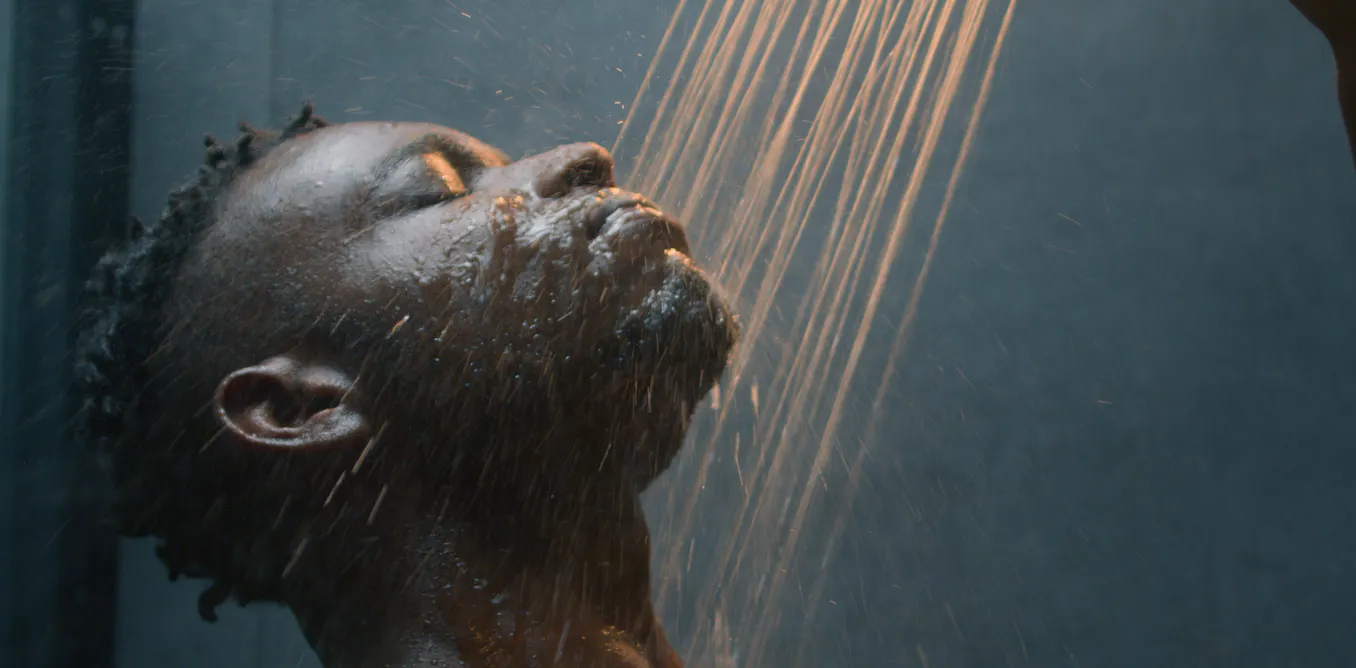
The trend of showering in the dark, often promoted as a “sleep hack,” is gaining popularity, particularly on social media. Advocates claim that bathing in low light enhances relaxation and promotes faster sleep by minimizing visual distractions and increasing the impact of water sounds.
Read More
While specific research on dark showering is limited, sleep studies highlight how light and heat affect sleep patterns. Bright light during the evening can suppress melatonin production, a hormone that regulates sleep. A study of 116 adults demonstrated that standard room lighting significantly lowered melatonin levels and increased alertness before bed.
Bathrooms, which typically have bright overhead lighting, may disrupt the transition to sleep. Dimming or turning off these lights can help remove signals that it's still daytime. An experiment showed that just 30 minutes of standard lighting at bedtime led to decreased melatonin and increased alertness among participants.
Recent research supports the connection between light exposure and sleep quality. A 2025 study found that exposure to bright LED lighting before bed delayed sleep onset and reduced sleepiness compared to softer lighting. Similar findings were noted in adolescents, where bright light exposure in the early evening hindered melatonin production three hours later.
Studies have also examined the impact of screens on sleep. Reading from a light-emitting device compared to a printed book resulted in delayed melatonin release and longer time to fall asleep. Research from 2023 indicated that lowering blue light exposure from screens could mitigate melatonin suppression, aiding sleep onset.
Engaging in dark showering may help reduce overall evening light exposure, potentially benefiting sleep. However, these benefits could diminish if the shower is followed by activities under bright lights.
Beyond light exposure, warm water may contribute positively to sleep. A 2019 meta-analysis indicated that spending about ten minutes in warm water one to two hours before sleep can shorten the time it takes to fall asleep and enhance sleep efficiency. Warm showers widen blood vessels, encouraging a drop in core body temperature, a signal associated with drowsiness.
Additionally, low light can prepare the nervous system for sleep. A lab study found that warm water exposure activated the parasympathetic nervous system, promoting relaxation and a slower heart rate. Similarly, a small experiment using warm foot baths showed increased vagal tone, signaling a transition into a more relaxed state.
Natural sounds, such as running water, can also facilitate relaxation by lowering cortisol levels and stabilizing heart rates, reinforcing the calming effect of dark showering.
Despite potential benefits, it is important to note that there is currently no substantial evidence directly comparing dark showers to brightly lit ones regarding sleep outcomes. Individuals with mobility issues may require some light for safety, and those with anxiety might feel uncomfortable in complete darkness. Overall, while dark showering may offer some advantages, it should not replace comprehensive strategies for managing sleep difficulties.