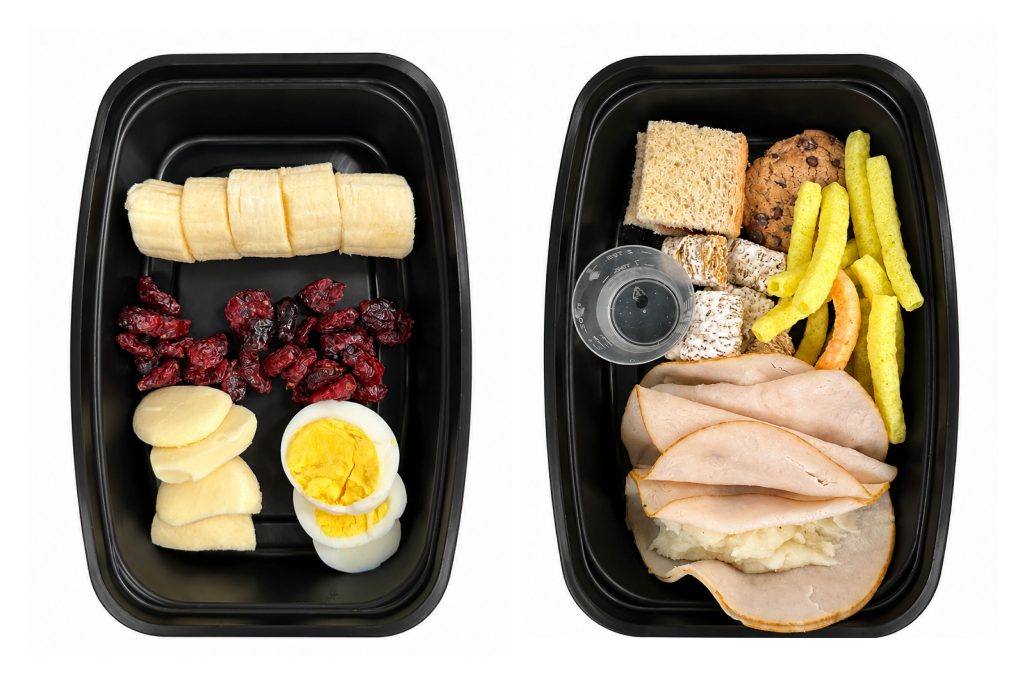
Current nutrition science generally posits that meals with equivalent nutritional profiles should have similar effects on blood sugar levels. However, recent research indicates that the degree of food processing may significantly influence metabolic responses.
Read More
A study conducted by Virginia Tech researchers at the Fralin Biomedical Research Institute revealed that even nutritionally matched meals—one minimally processed and the other highly processed—resulted in markedly different metabolic responses. Participants consuming ultraprocessed meals exhibited higher insulin release and energy expenditure while burning less carbohydrate fuel. Furthermore, brain activity in areas related to motivation and reward differed between the meal types.
These findings could shed light on why ultraprocessed foods are often linked to overconsumption and various long-term health issues. Ultraprocessed foods account for over half of the daily caloric intake of the average American, and consumption patterns worldwide are increasingly favoring these foods, which tend to be convenient, affordable, and palatable.
Alex DiFeliceantonio, an associate professor at the Fralin Biomedical Research Institute and lead author of the study, noted a correlation between high ultraprocessed food consumption and increased rates of obesity, heart disease, Type 2 diabetes, and certain mental health issues. Despite the well-documented health risks associated with these foods, the underlying mechanisms connecting food processing to adverse health outcomes remain less understood.
In the study, 57 healthy adults aged 18 to 45 participated in sessions where they consumed meals containing 300 calories that were nutritionally matched for carbohydrates, fats, proteins, and other components. The team used the Nova scale to classify the meals, which included a highly processed meal with items like a peanut butter and jelly sandwich and a minimally processed meal featuring a banana, cheese, and an egg.
Participants underwent metabolic testing in a chamber designed to measure energy expenditure and metabolism following an overnight fast. After eating, their blood was drawn repeatedly over several hours to assess metabolic metrics. Results showed significant differences in metabolic responses to the processed versus minimally processed meal, with the ultraprocessed option leading to elevated insulin levels and prolonged blood sugar elevation, increasing the risk of conditions like diabetes.
The researchers also utilized functional MRI on a separate day to study how participants' brains reacted to images of the foods they consumed. While participants expressed no preference for the taste of either food type, the metabolic differences correlated with varying brain responses, particularly in areas associated with reward and motivation.
The extent to which food processing affects health outcomes continues to be a crucial area of debate. Carlos A. Monteiro, a Brazilian epidemiologist and proponent of the NOVA food classification, emphasized the contribution of this research in linking metabolic responses to brain activity, noting that the brain ultimately influences eating behaviors.
Future research aims to expand on this study by examining diverse populations, longer meal timings, and varying food pairings. DiFeliceantonio expressed interest in exploring specific processing factors that might lead to different metabolic outcomes. The study was supported by funding from the National Institutes of Health and a National Science Foundation fellowship.