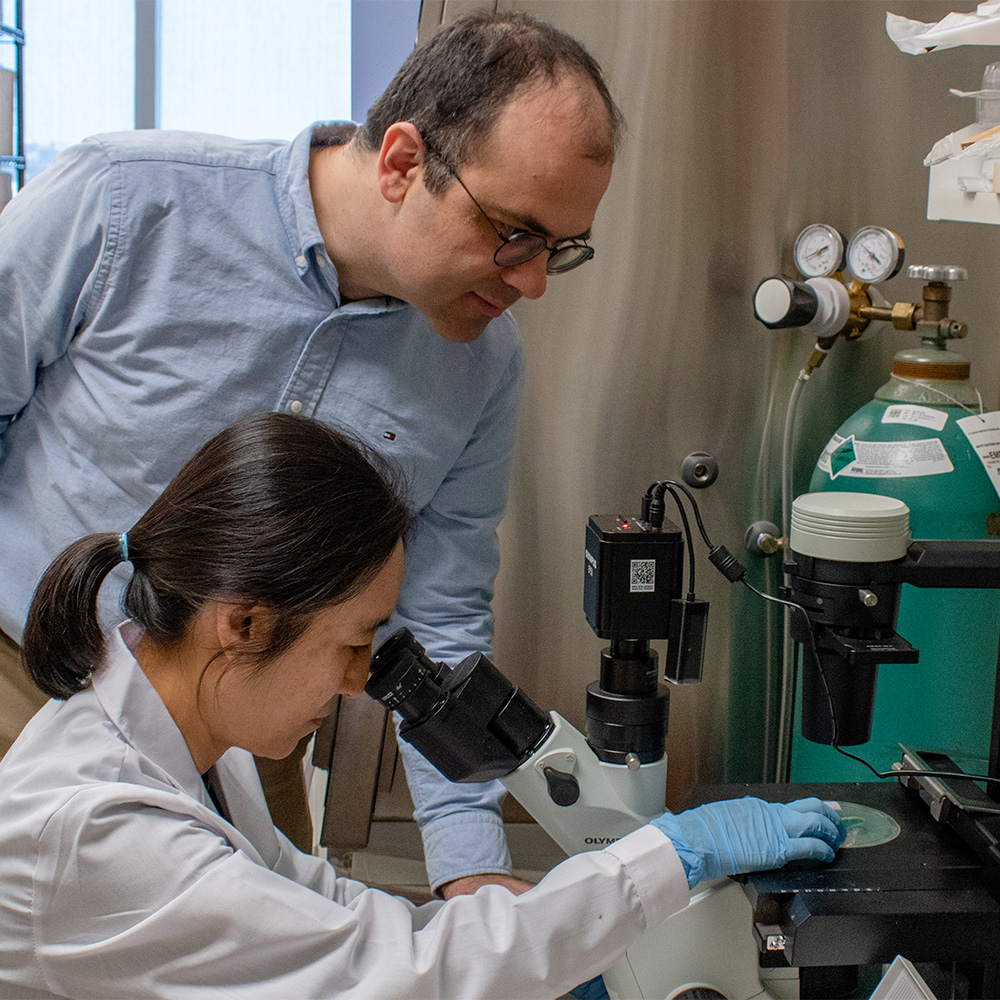
Scientists at the Children’s Medical Center Research Institute at UT Southwestern (CRI) have found that vitamin C deficiency can protect animals from schistosomiasis, a significant parasitic disease. This research offers insights into why some animals, including humans, lost the ability to synthesize vitamin C.
Read More
Dr. Michalis Agathocleous, an Assistant Professor at CRI and at the UT Southwestern Pediatrics department, leads the research. Historically, most animals could produce vitamin C through the L-Gulonolactone Oxidase (GULO) gene, which humans and some other species lost during evolution, turning vitamin C into a dietary requirement. The scientific consensus has previously viewed this loss as neutral, lacking known benefits.
However, findings published in the Proceedings of the National Academy of Sciences indicate that the inability to synthesize vitamin C may confer protection against schistosomes, parasitic flatworms that rely on vitamin C from hosts to reproduce. This research involved collaboration with Dr. Jipeng Wang from Fudan University in Shanghai and Dr. James J. Collins at UT Southwestern.
While vitamin C deficiency is known to cause scurvy, Dr. Agathocleous noted in 2017 that it could also promote the development of myeloid leukemia, suggesting broader disadvantages. Previous studies hinted that vitamin C synthesis is a lost metabolic pathway for both certain animals and many parasites. In a related discovery, Wang and Collins in 2019 identified ascorbate as essential for schistosome egg-laying.
Building on these findings, Agathocleous hypothesized that a vitamin C-deficient host might resist parasites dependent on the vitamin. Research compared normal mice, capable of synthesizing ascorbate, with Gulo gene-deficient mice. While most normal mice infected with schistosomes succumbed to schistosomiasis, only 5% of Gulo-deficient mice died. Furthermore, intermittent vitamin C intake reduced schistosomiasis-related morbidity and mortality while avoiding scurvy.
Agathocleous remarked that this research reshaped his understanding of vitamins, traditionally seen as universally beneficial.
With nearly 250 million people affected by schistosomiasis, a disease caused by schistosomes that penetrate human skin from contaminated water, this research holds significant implications. Agathocleous emphasized the differing timescales of worm reproduction and deficiency effects, suggesting that animals might gain a survival advantage by being temporarily vitamin C deficient.
Future research from Agathocleous's lab will examine the effects of vitamin C deficiency on human diseases, including parasitic infections and cancers like myeloid leukemia. This study was supported by various organizations, including the Cancer Prevention and Research Institute of Texas and the National Institutes of Health.
Dr. Agathocleous is a CPRIT Scholar and part of the Cellular Networks in Cancer Research Program at the Harold C. Simmons Comprehensive Cancer Center at UT Southwestern. Dr. Collins holds notable academic positions, including distinguished chairs in science education and medicine.