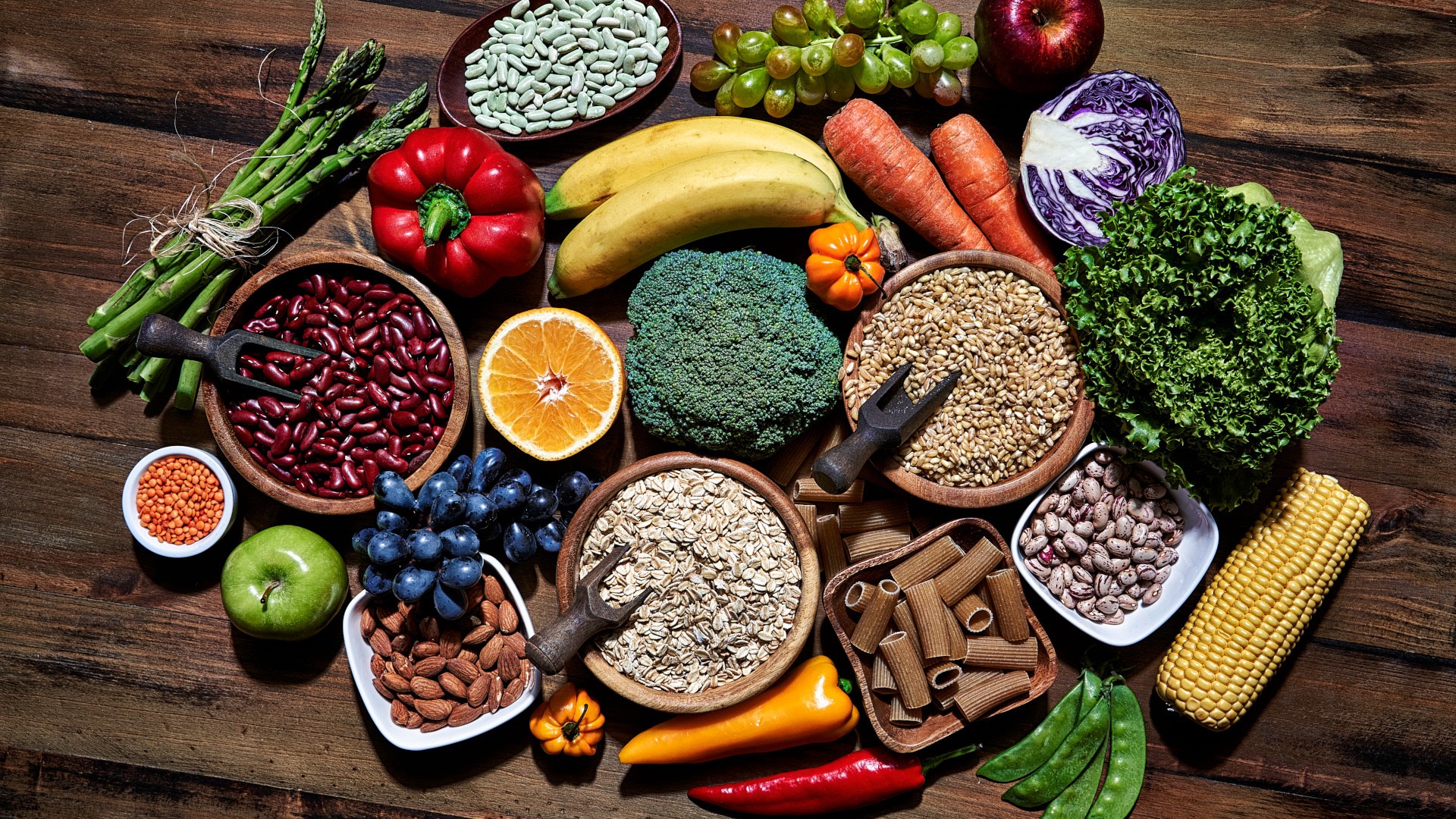
WASHINGTON, D.C. — The Physicians Committee for Responsible Medicine has expressed both approval and concern regarding the 2025-2030 Dietary Guidelines for Americans, released on January 7. While the committee praised the guidelines for limiting "bad" fat, promoting fruits and vegetables, and restricting alcohol consumption, they also highlighted areas needing significant improvement.
Read More
Neal Barnard, MD, FACC, president of the Physicians Committee, stated that while the guidelines properly limit cholesterol-raising saturated fat, they fail to specify its primary sources—dairy products and meat. He criticized the guidelines for promoting these foods, which he claims are major contributors to cardiovascular disease, diabetes, and obesity.
Dr. Barnard further noted that while the guidelines take a strong stance against processed foods, they overlook the benefits of plant-based and vitamin-fortified processed items, which can help reduce the risk of various health issues, including birth defects and chronic diseases.
The committee outlined several strengths of the guidelines, including:
- Limiting saturated fat intake.
- Promoting plant-based foods like fruits and vegetables.
- Encouraging reduced alcohol consumption.
- Streamlining recommendations to enhance clarity.
Conversely, the Physicians Committee suggested the guidelines should:
- Warn against animal protein due to its association with heart disease.
- Affirm that vegetarian and vegan diets can provide all necessary nutrients, particularly with a B12 supplement, and recognize that some processed plant-based foods are healthier than animal products.
- Advise against dairy consumption, citing its high saturated fat content and links to certain cancers.
- Clarify that saturated fat is mainly found in dairy and meat and is harmful to heart health.
- Acknowledge that some highly processed foods, such as fortified breakfast cereals and breads, can be beneficial.
- Recommend water as the preferred beverage over milk, considering milk’s associations with adverse health outcomes.
The report highlights that meat and dairy products are leading sources of saturated fat in the American diet, which is linked to increased LDL "bad" cholesterol levels, thus raising heart disease risk. A study published in the Annals of Internal Medicine reaffirms the connection between saturated fat intake and heart disease. Additionally, the American Heart Association has reiterated that saturated fat elevates LDL cholesterol, a significant contributor to cardiovascular issues.
Dr. Barnard criticized the new guidelines for their increased protein recommendation, which he believes is unnecessary and could lead to higher animal protein consumption. He asserted that any push for increased protein should prioritize plant sources.
The committee emphasized that plant-based processed foods are associated with a reduction in diabetes and cardiovascular disease risks and often come fortified with essential nutrients. Dr. Barnard stated, "The Guidelines have unjustly condemned highly processed foods and exonerated meat and dairy products; they should have done the reverse." A study from Harvard University highlighted that animal products are linked to a 44% increased risk of diabetes, whereas ultra-processed cereals show a 22% reduced risk.