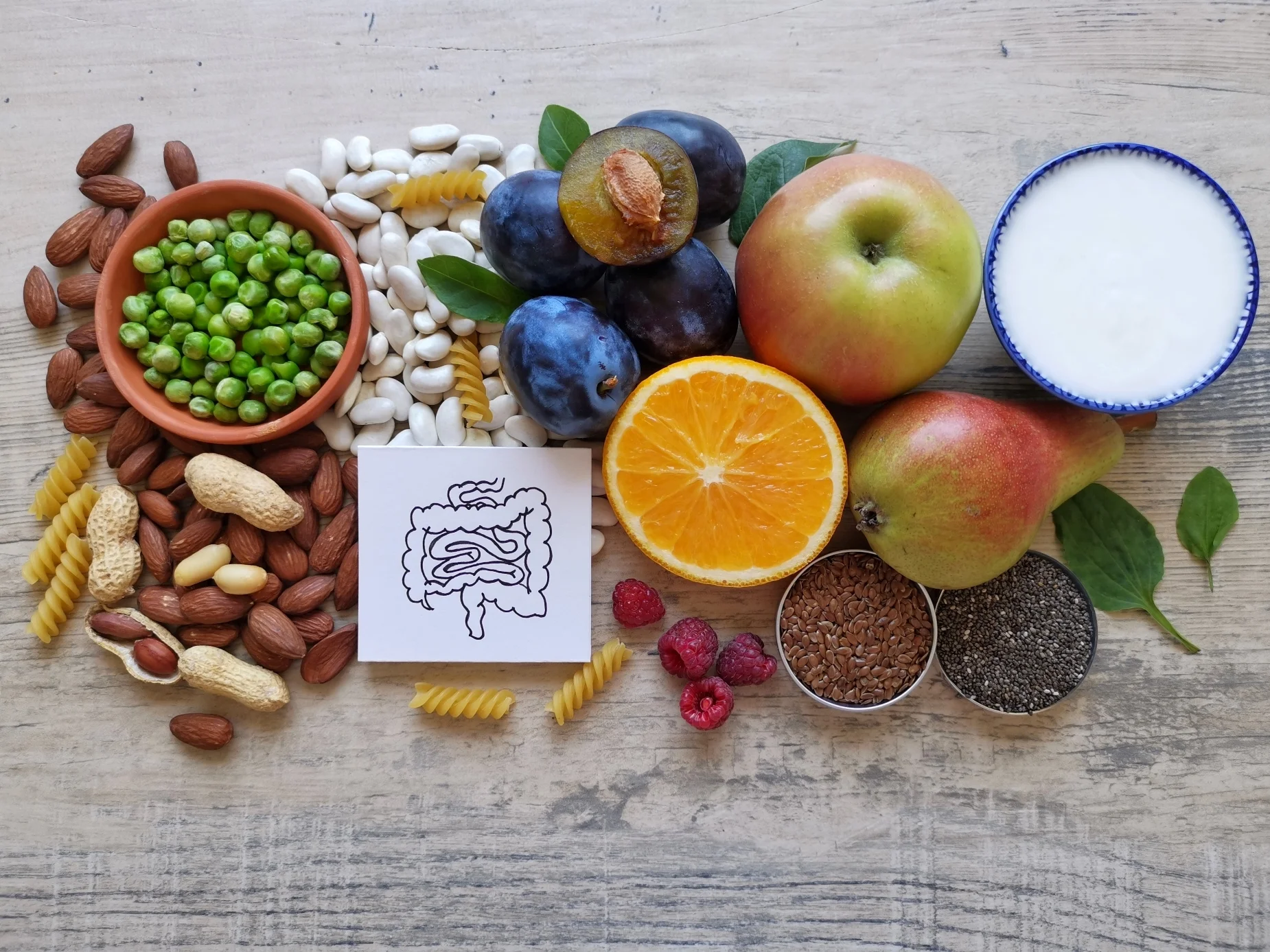
Fiber intake is crucial for maintaining various health benefits, including improved digestion and a reduced risk of certain cancers. The trend known as "fibermaxxing", which involves consuming the recommended daily fiber based on individual body weight, has gained traction this year across social and mainstream media.
Read More
Jennifer Lee, a scientist at the Jean Mayer USDA Human Nutrition Research Center on Aging at Tufts University, emphasizes the importance of recognizing the distinction between healthspan and lifespan. She remarks that more individuals are seeking strategies to prolong their health in later years. Lee noted, "There is a nine-year gap between living to a certain age in good health and then living in poor quality of health at the end of your life," highlighting the trend towards healthy lifestyle changes.
Research indicates that a lack of fiber in the diet can lead to metabolic and cardiovascular issues, including diabetes and obesity. Lee explains that insufficient fiber consumption often leads to a higher intake of high-calorie foods, which can contribute to weight gain and potentially increase the risk of cancers such as colorectal, breast, and prostate cancer. She states that increasing fiber intake can yield significant health improvement.
The Dietary Guidelines for Americans 2020-2025, released by the USDA and the Department of Health and Human Services, suggest that adults should consume between 22 to 34 grams of fiber daily, depending on age and sex. A general recommendation from Lee is to aim for 14 grams of fiber for every 1,000 calories consumed. As individuals age, fiber requirements generally decrease to match the drop in caloric intake.
For instance, women aged 19 to 30 should aim for about 28 grams of fiber daily based on a 2,000-calorie diet, whereas the recommendation for men in that age group is 34 grams due to their higher caloric needs. There are two primary types of dietary fiber: soluble and insoluble. Soluble fiber dissolves in water and slows digestion, while insoluble fiber aids in waste passage through the digestive tract.
Lee highlights the benefits of soluble fiber, which helps manage glucose levels and lowers cholesterol by preventing its absorption. Foods rich in soluble fiber include various fruits, vegetables, legumes, and whole grains. In contrast, insoluble fiber—found in whole grains, nuts, and seeds—is essential for bowel health, even though it doesn’t provide caloric value. Aiming for a two-to-one ratio of insoluble to soluble fiber is advisable for balanced intake.
For those struggling to meet fiber requirements through food alone, Lee recommends fiber supplements as a useful option. However, she cautions that individuals should be mindful of hydration and listen to their bodies, as excessive fiber without sufficient water can lead to constipation or adverse digestive reactions.