A new study highlights the importance of how individuals engage with social media, rather than merely the amount of time spent on these platforms, in assessing mental health impacts. Published in the journal *Computers in Human Behavior Reports*, the research suggests a more nuanced approach is necessary for understanding the links between social media use and psychological well-being.
Read More
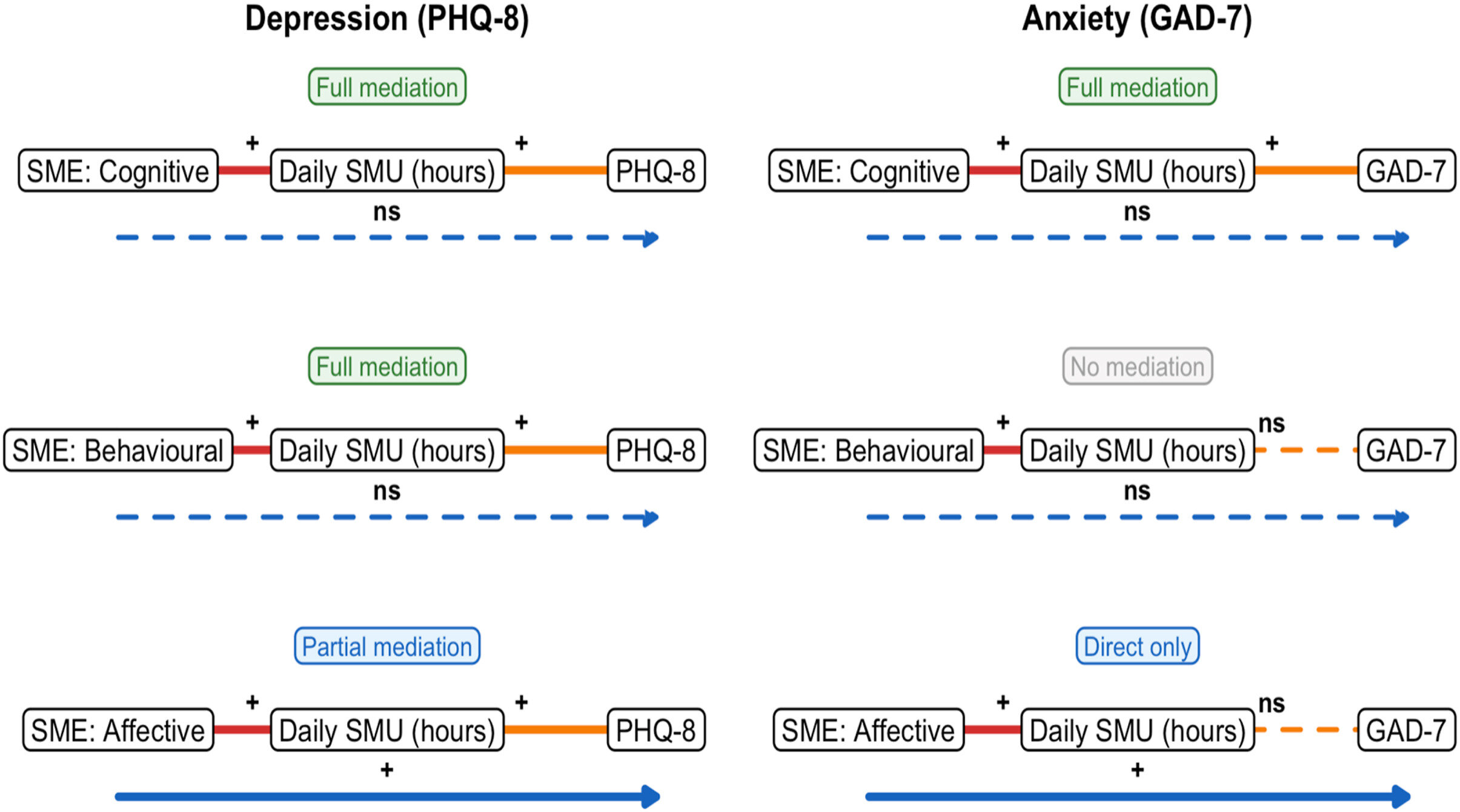
Dr. Jason Hill of the University of Exeter led the study, which involved 304 adults who reported their social media engagement styles, daily usage, and symptoms of depression and anxiety. The findings indicate that while time spent on social media correlates with depressive symptoms, it plays a lesser role in anxiety-related issues, suggesting that reducing usage alone might not alleviate all forms of psychological distress.
Hill noted that two individuals can spend the same amount of time on social media yet have vastly different emotional experiences. He emphasized that the cognitive preoccupation, behavioral compulsion to engage, and emotional investment in online activities are critical factors in determining mental health outcomes.
The study found that aspects of mindfulness, such as awareness of internal experiences and a non-judgmental attitude towards thoughts and feelings, could partly explain the links between social media engagement and depressive symptoms. These pathways were less consistent regarding anxiety. The results imply that interventions focusing on reducing screen time might overlook significant psychological patterns of engagement.
For depression, the study found that the amount of time spent online was more directly related to cognitive and behavioral engagement, while for anxiety, emotional engagement was more significant. Hill concluded that understanding the context and nature of social media use is crucial, as interventions solely aimed at limiting screen time might be inadequate, especially when emotional involvement is strong.
Due to the cross-sectional nature of the study, it does not establish causation between specific social media engagement styles and changes in mindfulness, depression, or anxiety, suggesting that these relationships may be bidirectional.