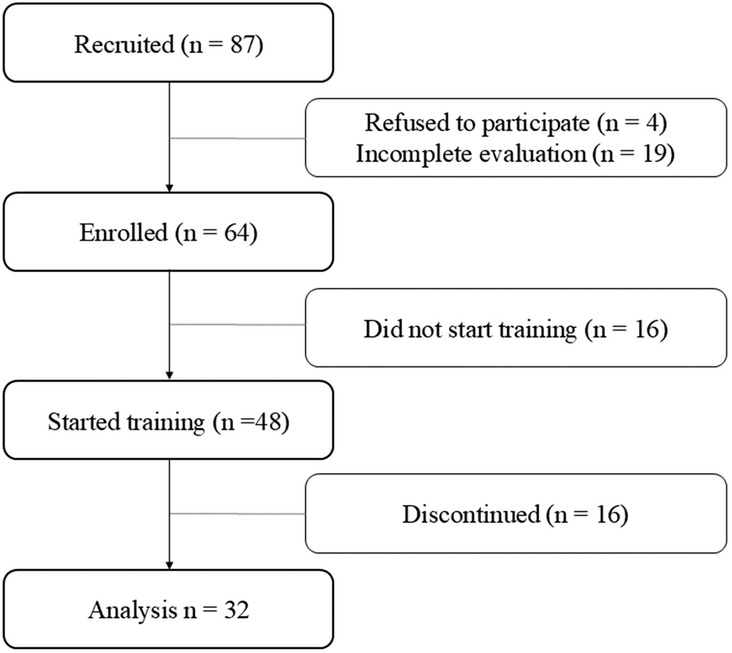
This feasibility study explored the effects of a home-based computerized cognitive training (CCT) program on sleep quality and psychological functioning among adults experiencing insomnia. Conducted online, the study involved 32 participants who completed a four-week CCT intervention via the CogniFit platform, engaging in twenty self-guided sessions that included cognitive tasks targeting attention, memory, and executive functioning.
Read More
Participants were assessed with standardized questionnaires and cognitive tests before and after the intervention to evaluate changes in sleep quality, mood, cognitive performance, and overall quality of life. The primary goal was to identify if participation could lead to improvements in these areas.
Results indicated statistically significant reductions in insomnia severity, sleep complaints, and depressive symptoms after the CCT intervention. However, no significant changes were observed in quality of life. Gender differences were noted in depressive symptoms, worry, and executive functioning, reflecting variations in psychological outcomes among male and female participants.
Despite these positive changes, the study’s small sample size and single-group design mean that the results should be viewed as preliminary. Further randomized controlled trials are necessary to verify these findings and assess the clinical effectiveness of CCT as an adjunct to existing insomnia treatments.
Insomnia disorder, defined by ongoing difficulties in initiating or maintaining sleep, poses a significant public health issue globally, with rates ranging from 3.9% to 22.1%. Cognitive Behavioral Therapy for Insomnia (CBT-i) is considered the standard treatment, but digital adaptations, like dCBT-i, are gaining traction due to accessibility challenges.
As cognitive training methods demonstrate potential in enhancing sleep-related and cognitive functions, this study underscores the need for additional research in wider populations to confirm the effectiveness of computer-delivered training interventions.