On January 7, 2026, the Department of Health and Human Services (HHS) and the U.S. Department of Agriculture (USDA) released the 2025–2030 Dietary Guidelines for Americans, marking the 10th edition of this essential nutrition policy document. These guidelines are influential, shaping federal nutrition programs and education that impact approximately one in four Americans. While some recommendations echo previous editions, the new guidelines diverge significantly from the 2020–2025 Guidelines and the recommendations made by the 2025 Dietary Guidelines Advisory Committee (DGAC). USDA and HHS dismissed over half of the DGAC's proposals, opting instead for a new Scientific Foundation report.
Read More
Key content alterations include an emphasis on animal protein and full-fat dairy, alongside a notable increase in recommended protein serving sizes. While the previous guidelines advised 5.5 ounces of protein daily on a 2,000-calorie diet, the new guidelines suggest three to four 3-ounce servings, potentially allowing for up to 12 ounces per day. This could lead to a weekly intake of 84 ounces of animal protein, significantly higher than the 26 ounces recommended in the 2020 Guidelines, which advocated balancing protein sources across categories like seafood, nuts, and legumes.
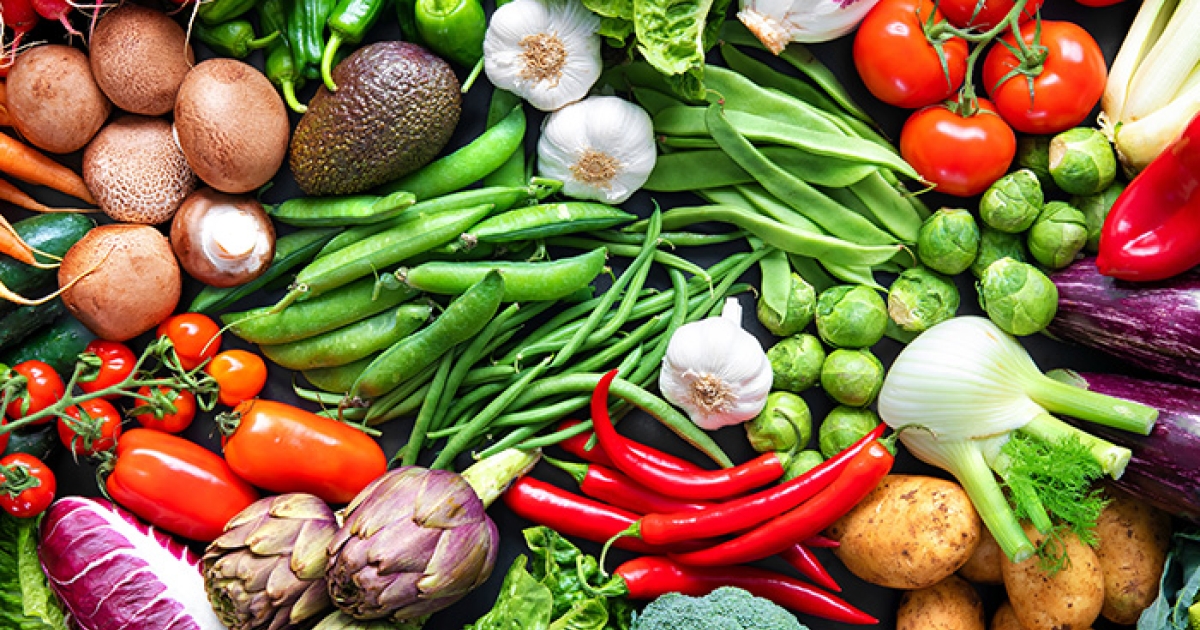
The 2025–2030 Guidelines also eliminate specific vegetable subgroups, recommending merely three daily servings of all vegetables without specifying types, which may lead to nutrient deficiencies. Previously, distinct groups were encouraged, such as beans and lentils, dark greens, and starchy vegetables.
Alcohol consumption guidance has become less detailed; the 2020 Guidelines recommended against starting to drink alcohol and provided specific limits for moderate consumption. The new guidance simply advises reducing alcohol for better health.
In addressing highly processed foods, the new Guidelines continue to advise limiting these items, yet remove the specific 10% daily limit on added sugars for all individuals aged two and older, stating that no amount of added sugars is recommended for children under 11.
Visually, the USDA has introduced an inverted food pyramid, which emphasizes protein sources like steak and full-fat dairy more than whole grains, misrepresenting their relative importance despite similar serving recommendations for these groups.
Overall, while the 2025–2030 guidelines still emphasize fruits, vegetables, and whole grains, they propose significant increases in protein intake, endorse saturated fat-rich foods, and lack clarity on vegetable groups and alcohol consumption. These shifts contradict findings from the DGAC, which suggested that plant-based proteins are beneficial for heart health.
The process behind the new guidelines diverged from established scientific norms, with the USDA and HHS rejecting more than half of the DGAC's recommendations without the usual transparency. The newly commissioned Scientific Foundation report, prepared by selected authors with ties to industry interests, lacked public input and displayed significant methodological flaws.
These changes are significant as the Dietary Guidelines influence not only individual dietary choices but also federal nutrition standards for various programs, impacting the meals provided to children, older adults, and military personnel. By prioritizing an opaque process over a transparent scientific approach, the 2025–2030 Dietary Guidelines risk compromising public health.