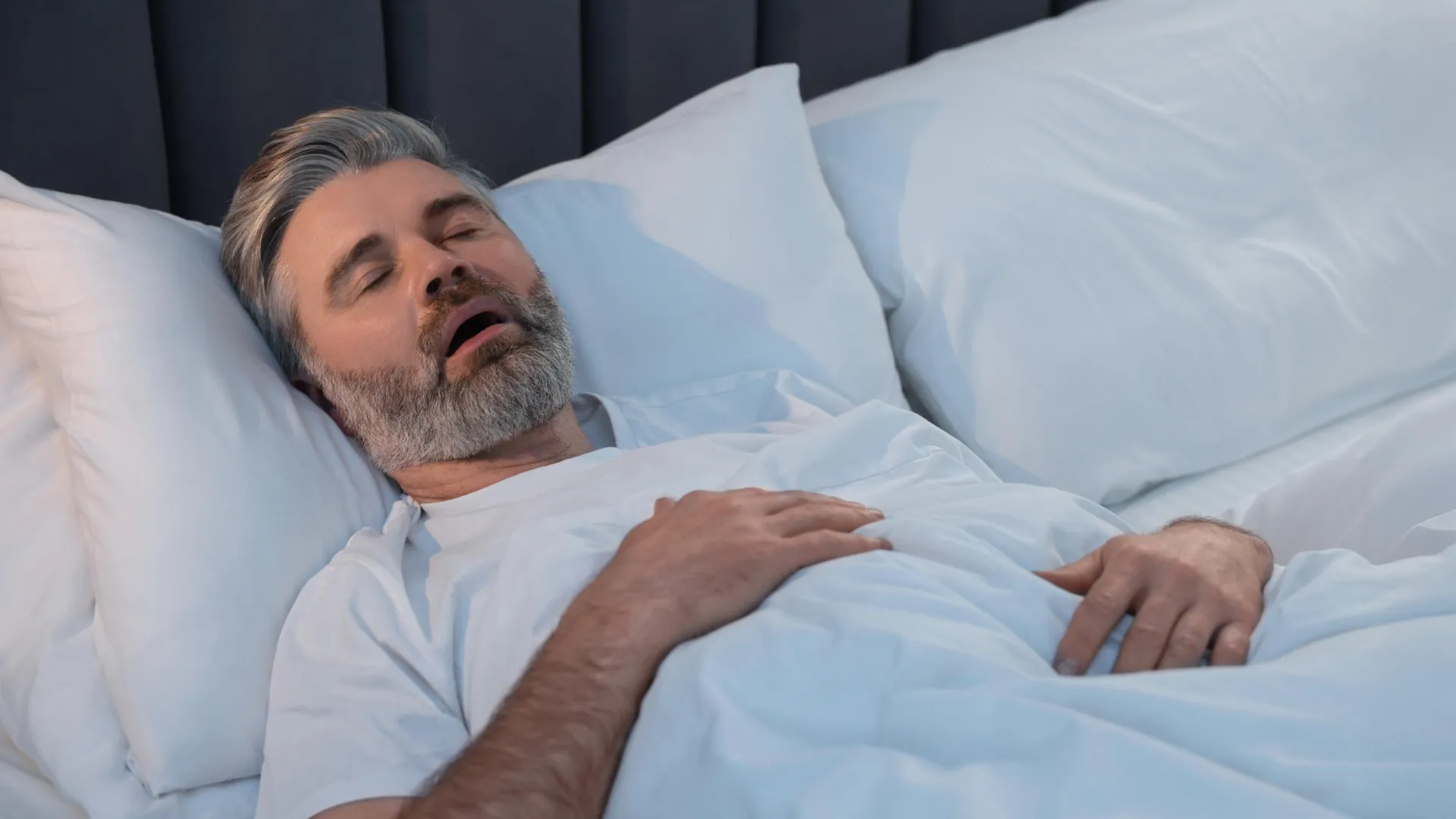
A medication named sulthiame may aid individuals with obstructive sleep apnea in breathing more easily at night and improving overall sleep quality. This conclusion arises from a clinical trial in Europe, significantly supported by the University of Gothenburg. The study's findings could pave the way for a drug treatment alternative for patients who struggle with the conventional breathing masks.
Read More
Published in The Lancet, the study included 298 participants diagnosed with moderate to severe sleep apnea. A quarter of the participants received a placebo, while the remainder were administered various doses of sulthiame. Conducted across four European countries, the trial employed a double-blind design to ensure that neither the researchers nor the participants knew who received the active medication.
Participants who received higher doses of sulthiame experienced up to 47 percent fewer breathing interruptions during sleep compared to those who took a placebo, alongside improved oxygen levels while resting.
The mechanism by which sulthiame functions involves stabilizing the body's control of breathing and enhancing respiratory drive, which helps prevent the upper airway from collapsing during sleep—the primary cause of obstructive sleep apnea. Side effects reported during the trial were primarily mild and temporary.
Jan Hedner, a senior professor of pulmonary medicine at the Sahlgrenska Academy of the University of Gothenburg and a key figure in the research, expressed optimism about the findings. "We have been working on this treatment strategy for a long time, and the results show that sleep apnea can indeed be influenced pharmacologically. It feels like a breakthrough, and we now look forward to larger and longer studies to determine whether the effect is sustained over time and whether the treatment is safe for broader patient groups," Hedner stated.
Ludger Grote and Kaj Stenlöf, also from the University of Gothenburg, contributed significantly to the research.
Obstructive sleep apnea occurs when the upper airway collapses repeatedly during sleep, leading to temporary breathing cessation, reduced oxygen levels, and frequent sleep disruptions. If untreated, sleep apnea can increase the risk of severe health issues, including high blood pressure, cardiovascular disease, stroke, and type 2 diabetes.
While sleep apnea is prevalent, no medication currently addresses its underlying causes directly. The standard treatment is continuous positive airway pressure (CPAP), which uses a mask to maintain airway patency during sleep. However, many patients find CPAP uncomfortable, resulting in up to half ceasing use within a year.
Sulthiame, previously approved for treating a form of childhood epilepsy, is now being evaluated for potential use as a treatment for sleep apnea.