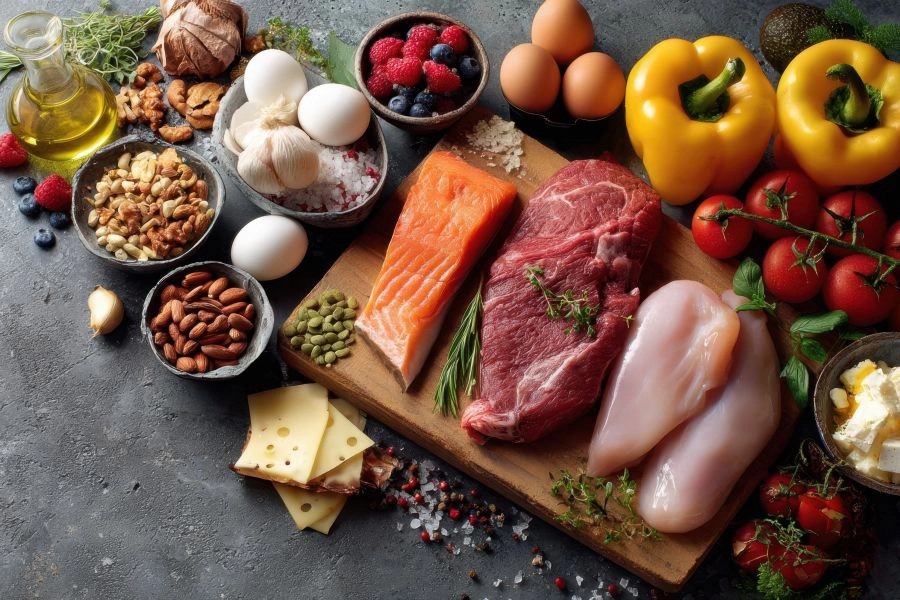
The Trump Administration's Dietary Guidelines for Americans 2025–2030 have elicited varied responses from nutrition and health experts. Supporters, such as dsm-firmenich, endorse the guidelines for emphasizing nutrient-dense diets across all life stages. They highlight their commitment to improving food health through domestic vitamin manufacturing and fortification processes.
Read More
Critics of the guidelines express concerns that their recommendations may oversimplify complex dietary needs, particularly regarding increased meat and dairy consumption thought to contribute to chronic health issues. Some argue that the scientific basis for these recommendations may be influenced by ideological biases. Additionally, certain proposals from the 2025 Dietary Guidelines Advisory Committee were not accepted.
Conversely, the Council for Responsible Nutrition commended the government for acknowledging the role of dietary supplements in meeting nutrient requirements. From the neurological perspective, the American Association of Neurological Surgeons appreciates the guidelines, noting that excess calorie consumption and reliance on processed foods can lead to serious health consequences like obesity-related spinal issues.
Medical professionals, including Bobby Mukkamala, M.D., president of the American Medical Association, state that the guidelines reinforce the concept of food as medicine, providing clear recommendations for patient health improvement.
The American Academy of Pediatrics supports the focus on child nutrition, endorsing breast milk or iron-fortified formula for infants. Their president, Andrew Racine, M.D., praised the inclusion of research-backed policies on breastfeeding and other dietary practices. Meanwhile, the Food Allergy Research & Education applauded the guidelines for recommending the early introduction of allergenic foods to reduce allergy risks.
The American Heart Association praised the recommendations for increasing vegetable, fruit, and whole grain intake while expressing concerns over the emphasis on meat. They highlighted the potential risks associated with salt and saturated fat consumption, suggesting it could mislead some consumers regarding healthy dietary choices.
Organizations across the wellness and agriculture sectors have reacted diversely. Global Wellness Forum chairman Sayer Ji argues that previous food pyramids contributed to chronic diseases, advocating for a science-based nutritional framework that emphasizes ancestral foods. In contrast, the International Dairy Foods Association celebrates the guidelines' endorsement of full-fat dairy.
Furthermore, the International Fresh Produce Association sees the whole foods focus as an opportunity to boost fruit and vegetable consumption. Meanwhile, the Meat Institute and the National Fisheries Institute assert meat and seafood as key components of a healthy diet, providing essential nutrients to support overall health.