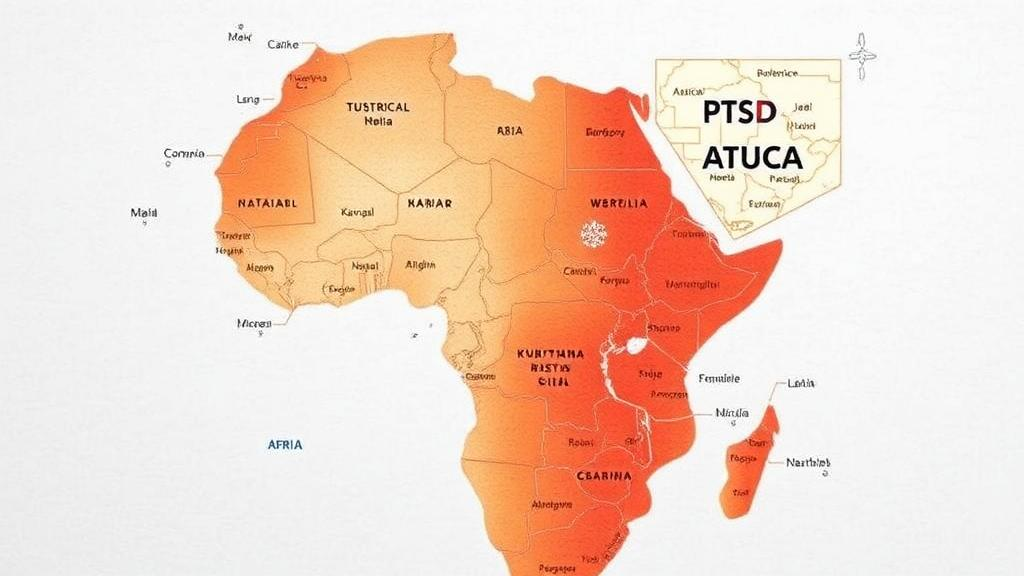
A comprehensive analysis reveals significant mental health challenges facing healthcare professionals across Africa. The scoping review, led by Ketra Venesa Nandera from Makerere University College of Health Sciences, examined 6,567 research records and focused on 119 eligible studies from 20 African countries published between 2000 and 2025. The findings indicate that burnout, anxiety, depression, post-traumatic stress disorder (PTSD), compassion fatigue, and workplace violence are prevalent issues that affect healthcare workers, raising concerns about a potential public health crisis.
Read More
The review adhered to the Joanna Briggs Institute framework and the PRISMA-ScR guidelines, systematically mapping the scope of mental health challenges and interventions among healthcare professionals. Researchers searched prominent databases like SCOPUS, Web of Science, and PubMed, collecting data on study characteristics, professional roles, mental health outcomes, and barriers to intervention. The analysis revealed that burnout was the most frequently reported issue, with prevalence rates ranging from 20 percent among healthcare workers in Ghana to an alarming 95 percent among medical interns in South Africa.
Anxiety and depression showed varying prevalence rates, exacerbated by the COVID-19 pandemic, which acted as a multiplier. For instance, anxiety reached 90.5 percent among healthcare workers in Egypt during the pandemic, and depression rates varied significantly, from 13.6 percent in Ethiopia to 94 percent in Egypt. The review highlighted recurring reports of PTSD and workplace violence, particularly in conflict-affected areas and during health crises.
The study also found that nurses and midwives bore a heavier mental health burden compared to physicians, challenging the notion that higher-status professionals face less occupational distress. This is primarily linked to the realities of the African healthcare system, where nurses and midwives provide most direct care under demanding conditions, often with limited decision-making power and compensation.
Stigma surrounding mental health issues was identified as a significant barrier, discouraging healthcare professionals from seeking help due to fears of professional repercussions. This stigma contributes to a cycle where the severity of mental health issues remains underreported, complicating the ability of health systems to address these challenges effectively.
Despite recognizing various interventions, including psychosocial support groups and digital mental health platforms, the review noted a lack of rigorous evaluation of these programs. Most interventions lacked randomized controlled trials or longitudinal studies, leaving health ministries with insufficient evidence to implement effective mental health support strategies.
The implications of inaction are severe, as poor mental health among healthcare providers is linked to increased medical errors, reduced care quality, and higher rates of absenteeism. This trend can exacerbate existing health workforce shortages in a region already struggling with service provision. The authors argue for a shift towards culturally appropriate support systems and occupational health policies to promote the well-being of healthcare workers.
Ultimately, this review lays out a research agenda, calling for longitudinal studies and rigorous trials of existing interventions. The evidence clearly indicates a mental health crisis among African healthcare professionals; addressing effective solutions is crucial for improving workforce resilience and care delivery across the continent.