Many Americans consume sufficient protein but may not be optimizing their intake for muscle health and overall nutrition. Experts emphasize the importance of both the timing and quality of protein consumption. Research published in the Journal of Nutrition indicates that evenly spreading protein intake throughout the day can enhance muscle protein synthesis by 25%, even if the total daily intake remains the same.
Read More
Chris Mohr, PhD, RD, a performance nutritionist, explains that muscle protein cannot be stored like a bank account. To maximize muscle-building benefits, adults should aim for approximately 30 grams of high-quality protein per meal.
Mohr stresses the significance of food sources, recommending that individuals prioritize whole, nutrient-dense foods over protein powders and bars. While supplements can be useful, they should complement, not replace, real food. Quality protein sources should contain all nine essential amino acids; animal proteins such as dairy, eggs, meat, and fish typically fulfill this requirement. In contrast, many plant proteins do not provide a complete amino acid profile and are often lower in leucine, a key amino acid for muscle growth.
To ensure a balanced protein intake, Mohr suggests including dairy in every meal. For instance, cottage cheese can be an excellent choice due to its high protein content—some varieties, like MULU cottage cheese, offer 18 grams of protein per serving, which is one-third more than leading brands.
Here are some practical tips to distribute protein throughout the day:
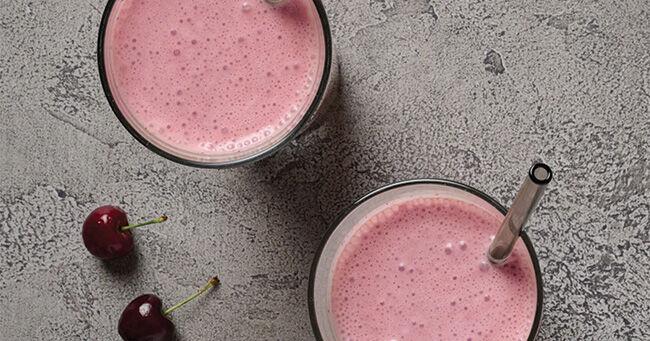
1. **Start with a protein-rich breakfast**: Options could include scrambled eggs with cottage cheese or a Tart Cherry Cottage Cheese Smoothie blended with nut butter.
2. **Incorporate protein into lunch**: A salad topped with grilled chicken, a turkey and cheese wrap, or a grain bowl with edamame and hard-boiled eggs can help achieve the 30-gram target.
3. **Choose smart snacks**: Cottage cheese can serve as a base for dips or quick protein-rich snacks like hard-boiled eggs. An Air Fryer Cottage Cheese Toast can be a speedy option that takes only 7 minutes.
4. **Focus on dinner as a conclusion, not a catch-up**: Distribute your protein intake throughout the day, aiming for lean meats, fish, or legumes alongside vegetables.
5. **Consume slow-digesting protein before bed**: Casein protein, found in dairy, aids overnight muscle repair. A half-cup of cottage cheese or a glass of milk before sleep is both practical and effective.
For more protein-rich meal ideas, visit MULUProtein.com.
**Tart Cherry Cottage Cheese Smoothie**
- Servings: 2
- Ingredients: 1 cup MULU low-fat cottage cheese, 1 frozen banana, 3/4 cup frozen tart cherries, 1 tablespoon ground flaxseed, 1 cup low-fat milk, 1 tablespoon nut butter, water
- Instructions: Blend cottage cheese, banana, cherries, ground flaxseed, milk, and nut butter until smooth. Adjust thickness with water if necessary.
- Nutritional information (per serving): 310 calories; 35 g carbohydrates; 22 g protein; 10 g fat.
**Air Fryer Cottage Cheese Toast**
- Servings: 2
- Ingredients: 1 cup MULU low-fat cottage cheese, 2 slices sourdough bread, 2 teaspoons hot honey, 2 teaspoons chili crunch
- Instructions: Preheat air fryer to 400°F. Spread cottage cheese on each slice of sourdough. Air fry for about 7 minutes until golden and bubbly. Drizzle honey and chili crunch over the toast before serving.
- Nutritional information (per serving): 295 calories; 38 g carbohydrates; 19 g protein; 6 g fat.