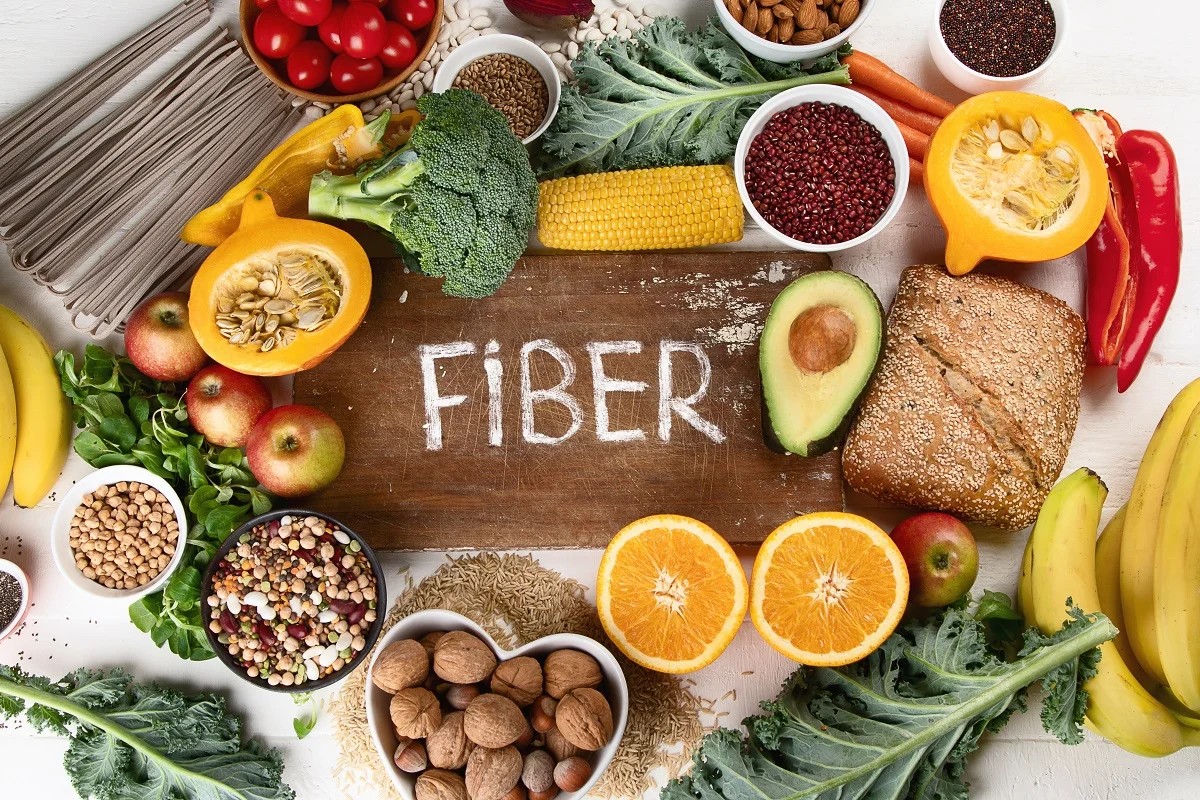
The British Nutrition Foundation (BNF) warns that low dietary fiber intake in the UK remains a significant public health issue. Their recent report, titled “Dietary Fiber in 2026: An Update on Barriers and Opportunities to Fill the UK Fiber Gap,” reviews current intake levels, consumer behaviors, product innovation, and offers recommendations for enhancing the food system.
Read More
The BNF's analysis shows that the foods contributing most to fiber intake are often staple items, like bread and cereals, which are lower in fiber but consumed in large quantities. This indicates that small improvements in fiber content for these commonly eaten foods could enhance overall fiber consumption across the population.
Current UK dietary guidelines recommend adults consume 30 grams of fiber daily, but the BNF highlights that only about 4% of adults meet this target, with similarly low levels among children and adolescents. Many out-of-home dining options are low in fiber, and the BNF emphasizes the potential for the food service industry to increase access to higher-fiber choices.
Particularly, bakery products, especially bread, could be reformulated to boost fiber intake due to their frequent consumption. Factors influencing low fiber intake include sensory preferences, lack of consumer knowledge regarding fiber, and practical issues like cost and preparation time. Concerns over gastrointestinal tolerance also hinder fiber consumption.
The report suggests fortifying foods, such as pasta, with fiber from ingredients like spent grain and oat bran. While the effects of added fibers are not fully understood, the BNF ranks certain fibers, like pectin and resistant starch, as having minimal impacts on taste and texture.
The BNF also advocates for biofortification—enhancing fiber content in crops—through improved agricultural practices as a long-term solution. To address the fiber gap, the report emphasizes priorities such as reformulating staple foods to gradually increase fiber without compromising on taste, and fostering product innovation that incorporates whole grains and functional fibers.
Improving food environments to enhance the availability and visibility of high-fiber options is crucial. The BNF notes that behavior change will require coordinated efforts across the entire food system, rather than relying solely on information dissemination.
Research indicates that diets rich in fiber are linked to lower risks of various diseases, including cardiometabolic diseases and colorectal cancer. The trend of “fibermaxxing” is gaining traction among younger consumers, with rising awareness of fiber's broad health benefits.
Recent studies have showcased innovative products blending different fibers. For example, the company Momentous launched Fiber+, a supplement aimed at supporting gut health and overall well-being, while Mía introduced its Fiber-First Shake, designed for diverse health benefits. These initiatives highlight the growing market for fiber-rich products as consumers prioritize gut health.