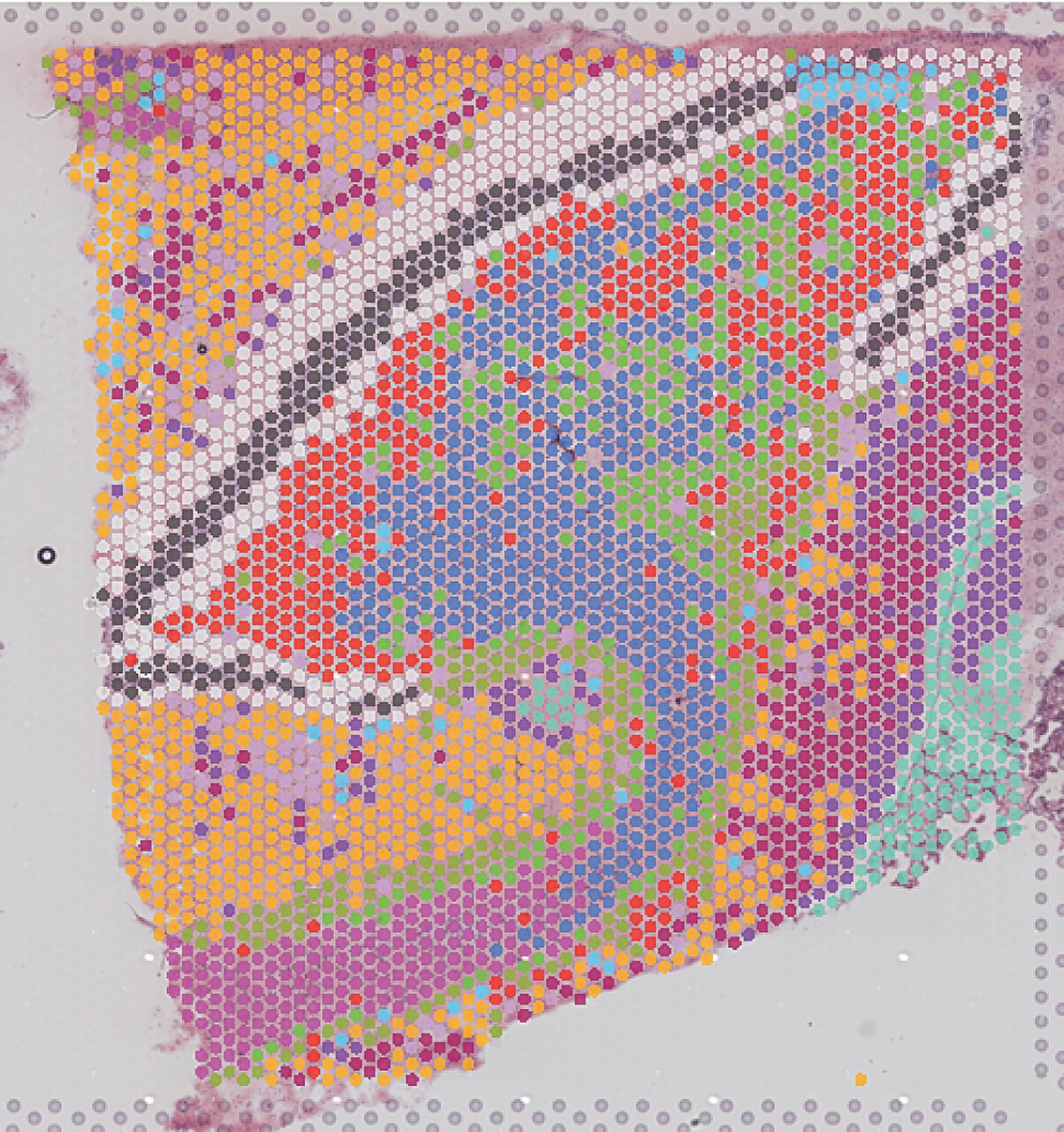
Researchers at Columbia University Vagelos College of Physicians and Surgeons have discovered that the formation of new neurons, known as neurogenesis, stalls in the adult hippocampus of individuals suffering from major depressive disorder. The study, published in Nature Medicine, identifies molecular changes that may contribute to this phenomenon and suggests pathways for new treatment strategies.
Read More
The research involved examining nearly half a million brain cells from the hippocampi of both depressed and non-depressed individuals. The findings indicate that the entire hippocampal circuit is impacted by these molecular alterations, which affect the brain's adaptability to stress and environmental changes. Professor Maura Dupont, who led the research, explains that historically, depression was linked mainly to neurotransmitter deficiencies; however, the current understanding suggests it involves multiple factors that hinder neuronal resilience.
The hippocampus is crucial for episodic memory and emotional regulation, making it significant in understanding depression. Dupont notes that when neurogenesis is impaired, individuals may struggle to differentiate between positive and negative memories, leading to a persistent negative outlook. This