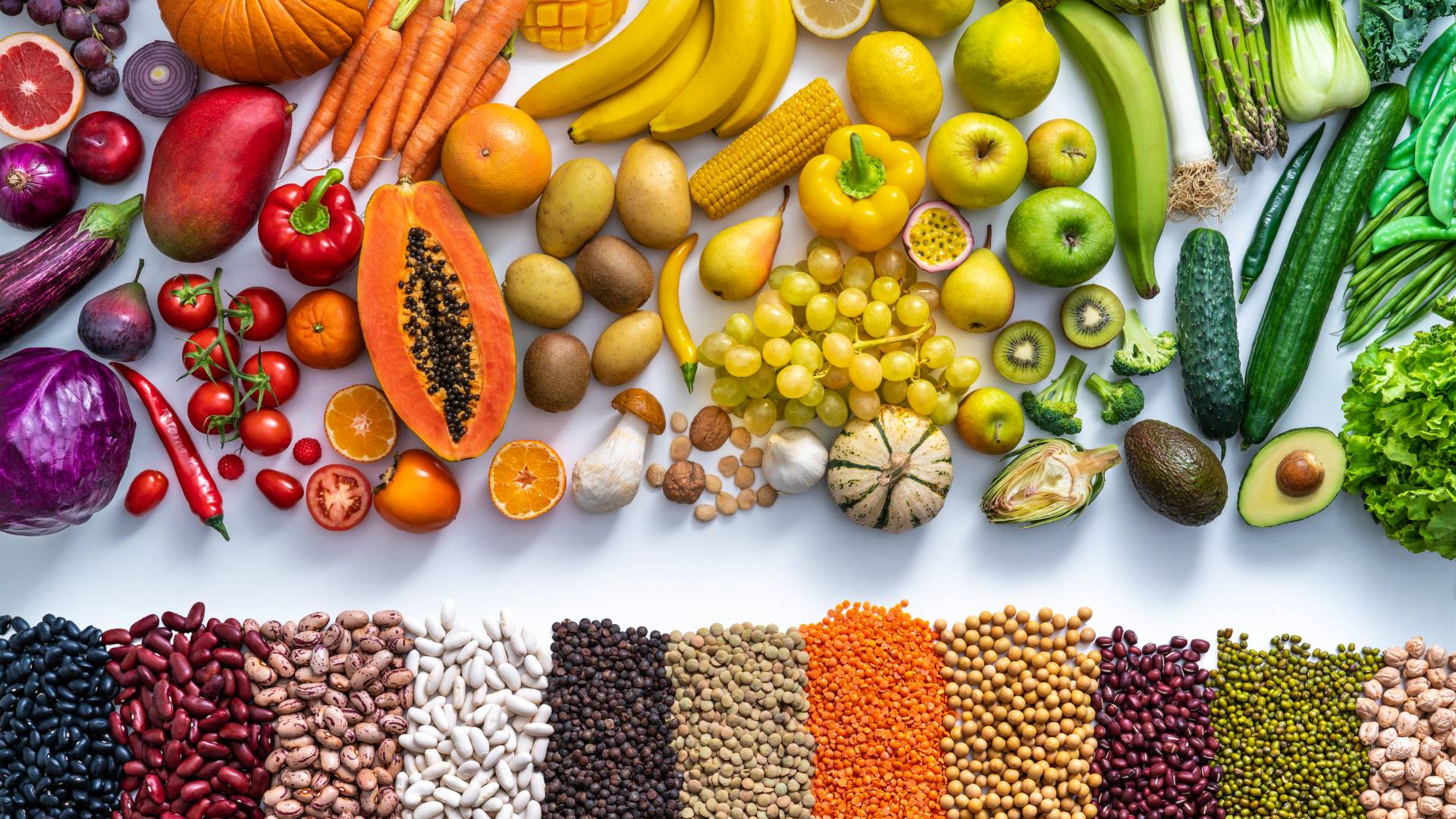
A recent study published in JAMA Network Open reveals that a low-fat vegan diet can reduce the energy density of foods by approximately 30%, enabling individuals to consume satisfying portions while decreasing calorie intake and achieving weight loss without intentional calorie restriction.
Read More
In a 16-week randomized clinical trial involving overweight adults, participants followed either an ad libitum low-fat vegan diet, which included fruits, vegetables, grains, and legumes, or a control group that maintained their regular eating habits. Notably, neither group faced calorie limitations. Researchers calculated energy density by comparing total daily energy intake (in kilocalories) to total food weight (in grams).
Key findings indicated that total food weight remained largely unchanged for both groups, meaning participants on the vegan diet did not consume less food by weight. However, energy intake dropped significantly in the vegan group by about 357 kcal per day. Conversely, the energy density did not shift in the control group but decreased by about 30% in the vegan group. Additionally, greater reductions in energy density correlated with increased weight loss, independent of changes in calorie intake.
The significant decrease in energy density is largely attributed to the removal of calorie-dense animal products such as meat, dairy, and eggs from the vegan diet, paired with a heightened intake of high-volume, low-energy-density plant foods, particularly vegetables and legumes. This shift allowed participants to enjoy larger portions while consuming fewer calories overall.
Dr. Hana Kahleova, director of clinical research at the Physicians Committee for Responsible Medicine and the lead author of the study, emphasized that this approach does not rely on willpower or smaller portions but rather on choosing foods that naturally have lower calories per bite.
Dr. Kahleova pointed out that energy density has been extensively studied as a crucial factor in regulating food consumption. Lowering the energy density of meals can enhance satiety and lead to a reduced overall food intake while maintaining the same volume of food.
The findings suggest a shift in dietary guidance that focuses on the composition of food rather than calorie counting or portion control. By prioritizing water-rich, high-fiber plant-based foods, individuals may find it easier to manage calorie consumption without feeling deprived. Dr. Kahleova concluded that focusing on energy density offers a practical strategy for weight loss, encouraging people to eat differently rather than eat less.