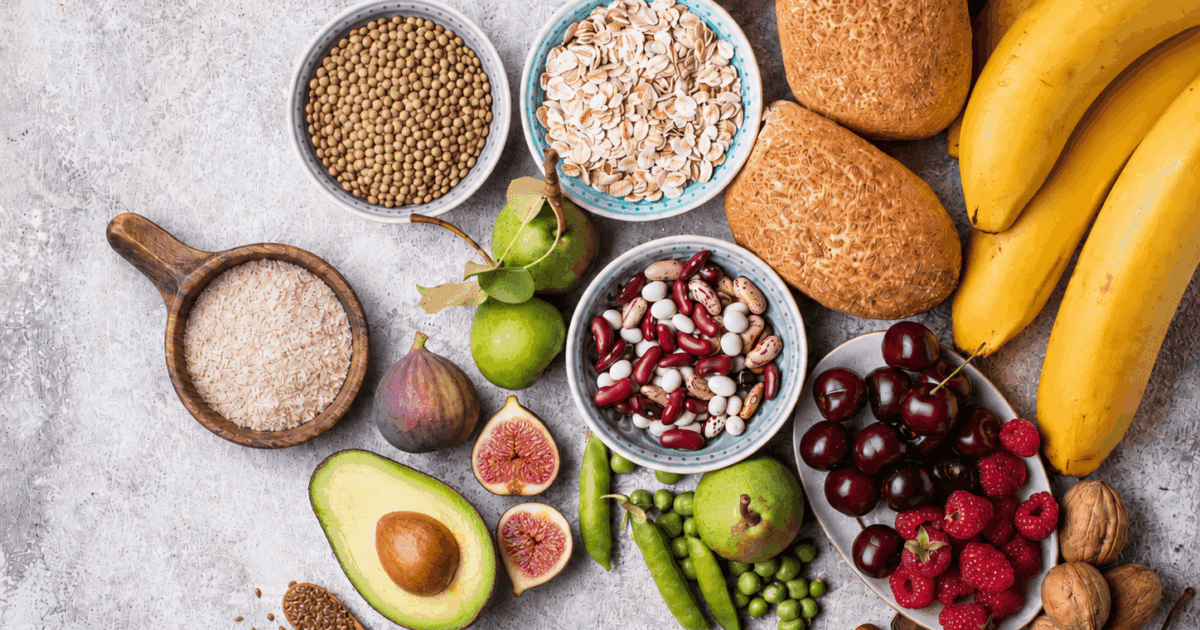
The latest dietary trend, referred to as "Fibermaxxing," highlights a renewed focus on fiber-rich diets across social media platforms, particularly Instagram. Since the summer of 2025, over 10,000 posts featuring #Fibermaxxing and similar hashtags have emerged, indicating a significant surge in interest.
Read More
This movement reflects a historical perspective on human diets. Following the onset of agriculture around 12,000 years ago and the rise of modern food processing 200 years ago, many people, especially in developed countries, have drastically reduced their fiber intake. Research suggests that approximately 95 percent of Americans fail to meet recommended fiber consumption levels, resulting in disruptions to the gut microbiome, which may lead to chronic health issues.
Jens Walter, a microbiome researcher at University College Cork, explains that a compromised microbiome correlates with an increase in chronic diseases. Emerging studies indicate that fiber plays a crucial role in promoting gut health, with potential protective effects against conditions like inflammatory bowel disease, colorectal cancer, and diabetes. Experts believe this knowledge may open pathways to personalized nutritional strategies.
Dietary fiber is classified as carbohydrates from plant sources that the body cannot digest. Traditionally categorized simply into soluble and insoluble fibers, current understanding acknowledges various factors such as bulking capacity and fermentation. High-fiber foods include beans, nuts, fruits, vegetables, and whole grains.
The significance of fiber in health was recognized as early as the 19th century, with observations linking low-fiber diets to various diseases. Notably, in 1971, Neil Painter and Denis Burkitt labeled diverticular disease a "deficiency disease of Western civilization," after noting it was rare in populations consuming high-fiber diets in Africa.
Research has advanced to demonstrate that fiber not only facilitates bowel movements but also lowers cholesterol and improves blood sugar levels. Moreover, fiber influences gut microbes that provide health benefits through the production of short-chain fatty acids, which can mitigate inflammation—a factor implicated in several chronic diseases.
A study in 2021 examined more than 300 men, uncovering a link between higher fruit fiber intake and a healthier gut microbiome composition, accompanied by reduced inflammation indicators.
Some studies have suggested a relationship between fiber consumption and weight management, as certain fibers are associated with increased production of the satiety hormone GLP-1, potentially leading to reduced appetite. Despite the promising findings, nutrition experts caution against declaring causality between fiber and disease prevention without extensive, long-term studies.
Current dietary recommendations suggest that women consume around 25 grams and men about 38 grams of fiber daily. However, experts emphasize the importance of fiber sources, advocating for whole and minimally processed foods over fiber supplements for maximum health benefits.
Future research may lead to personalized dietary recommendations that align with individual microbiomes, refining nutritional strategies based on specific digestive capabilities. While strides are being made in fiber research, experts like Walter caution that significant advancements remain distant.