Approximately 25% of public sector employees in the UK engage in night work, a trend mirrored in various countries. However, ongoing evidence indicates that night shifts and disruption of circadian rhythms significantly increase the risk of health issues, including depression, heart disease, and type 2 diabetes.
Read More
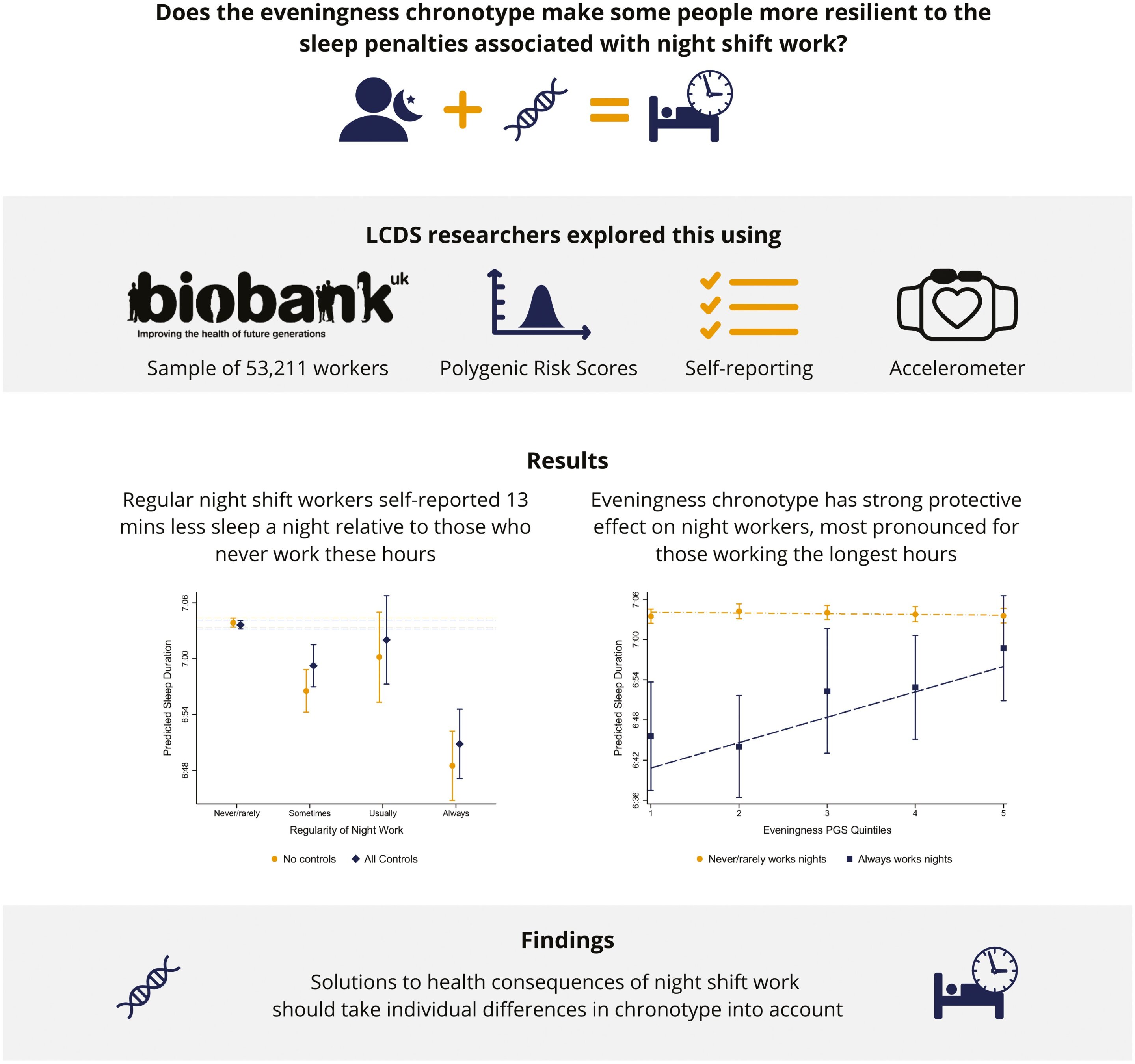
A study utilizing data from the UK Biobank examined 53,211 workers from 2006 to 2018 to explore whether they possessed a genetic inclination toward "eveningness." The findings revealed that night work correlates with substantial sleep deficits, particularly among those who consistently work night shifts. Researchers noted that sleep is crucial for both physical and mental health.
The study indicated that regular night shift workers reported sleeping an average of 13 minutes less per night compared to those who do not work such hours. Notably, individuals with a greater genetic tendency toward eveningness experienced a significant reduction in sleep penalties, with protective effects observed to decrease sleep loss by up to 28%.
Professor Melinda Mills, the lead senior author, mentioned that the study employed a Genome-Wide Association Study (GWAS) to measure genetic predisposition to being an evening person. Dr. Evelina Akimova, the lead author, highlighted the study's innovative approach by integrating various measures of eveningness—genetic, self-reported, and accelerometer data—to enhance understanding of sleep penalties among night shift workers.
Mills added that while the health implications for night shift workers are evident, individual differences based on chronotype should inform future intervention strategies. The findings are available in the journal Sleep.