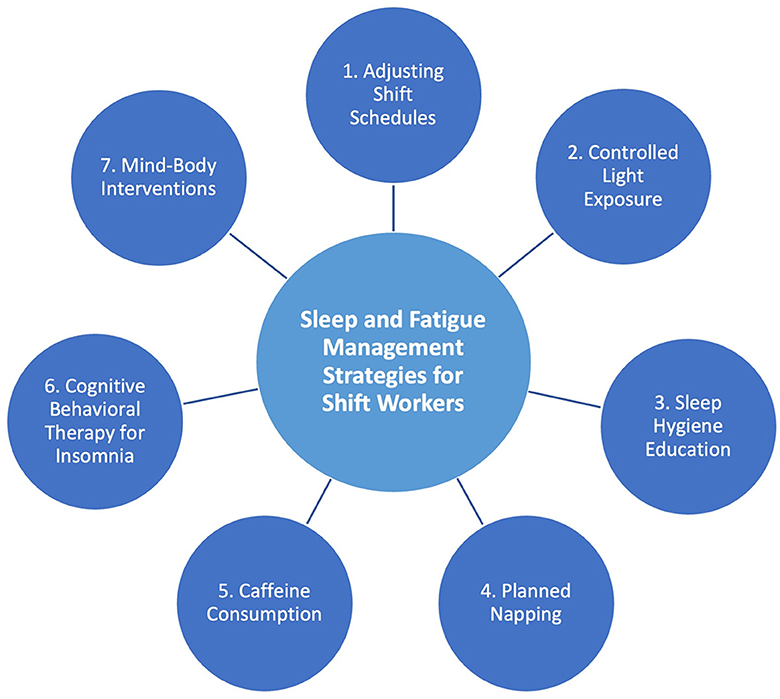
Shift work can cause sleep disturbances and increased fatigue, posing challenges for approximately 20% of the global workforce. Traditional treatments for insomnia, particularly Cognitive Behavioral Therapy for Insomnia (CBT-i), may not be effective for shift workers due to difficulties in maintaining a consistent sleep schedule. This mini review explores various non-pharmacological interventions aimed at helping shift workers manage their sleep problems and proposes a comprehensive sleep management program.
Read More
The review synthesized existing strategies such as adjusting shift schedules, increasing light exposure, sleep hygiene education, planned napping, and mindful practices like yoga. Each intervention has shown varying degrees of effectiveness. For instance, changing shift rotation from backward to forward can improve sleep quality and alertness, and reducing shift lengths to less than ten hours may also benefit workers.
Light exposure plays a crucial role in regulating circadian rhythms; research indicates that blue-enriched light can enhance sleep quality and alertness. However, the implementation of strategies to modify work environments has been complex, and evidence supporting the effectiveness of preventative, multicomponent approaches remains insufficient.
The role of personal circumstances, such as family responsibilities and commuting, has been inadequately addressed in current intervention strategies despite their significant impact on sleep quality. As there is a pronounced need for tailored interventions that consider both individual needs and workplace dynamics, future research should focus on developing integrated programs that address these issues comprehensively. Digital CBT-i platforms represent a promising avenue for cost-effective support, but more research is necessary to enhance their applicability for shift workers.