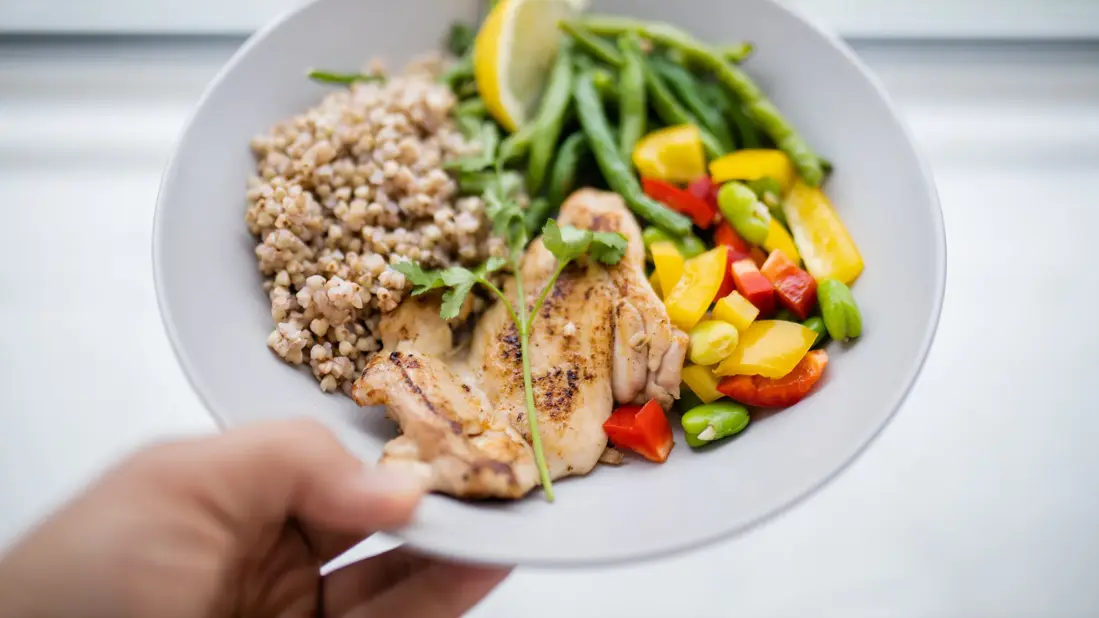
Protein plays a crucial role in health and wellness, aiding in muscle development and satiety, which can be beneficial for weight management. According to registered dietitian Kate Patton, MEd, RD, CSSD, LD, protein should comprise about 10% to 35% of your daily caloric intake, varying with individual health and activity levels. The average healthy adult is advised to consume between 1.2 to 1.6 grams of protein per kilogram of body weight each day.
Read More
Patton offers several strategies to boost protein consumption effectively. One recommendation is to incorporate protein into every meal consistently rather than consuming it in large amounts at one sitting. Meals should be centered around protein sources such as chicken, fish, eggs, lentils, and dairy. For instance, preparing a dish with salmon can be enhanced by adding beans or grains and topped with vegetables.
Another tip is to seek out complete proteins, which are sources that contain all nine essential amino acids required for human health. Examples include dairy, lean meats, fish, poultry, egg whites, and soy products like tofu and edamame.
Snacking smartly can also increase protein intake. Instead of choosing chips or cookies, Patton suggests opting for snacks like cottage cheese with fruit, Greek yogurt with berries, unsalted nuts, hard-boiled eggs, or peanut butter on celery. Keeping snacks between 150 and 170 calories while adding protein is ideal.
Making simple swaps in your meals can further enhance protein levels. For example, substituting ancient grains such as quinoa or barley for white rice significantly boosts protein content. Adding grilled chicken or tuna to salads and incorporating ingredients like chia or hemp seeds into smoothies can also help.
Meal preparation can streamline the process of maintaining a protein-rich diet. Preparing large batches of chicken or grains and hard-boiled eggs can facilitate easy meal assembly during the week. Patton recommends designating time, like weekends, for meal preparation to ensure accessible protein sources.
For those averse to traditional protein-rich foods, protein powder can be a practical addition to smoothies, though it should be consumed separately from regular meals to avoid excess calorie intake. Patton emphasizes that increasing protein through everyday diet choices can prevent muscle loss and weight gain as one ages, promoting a longer, healthier life.