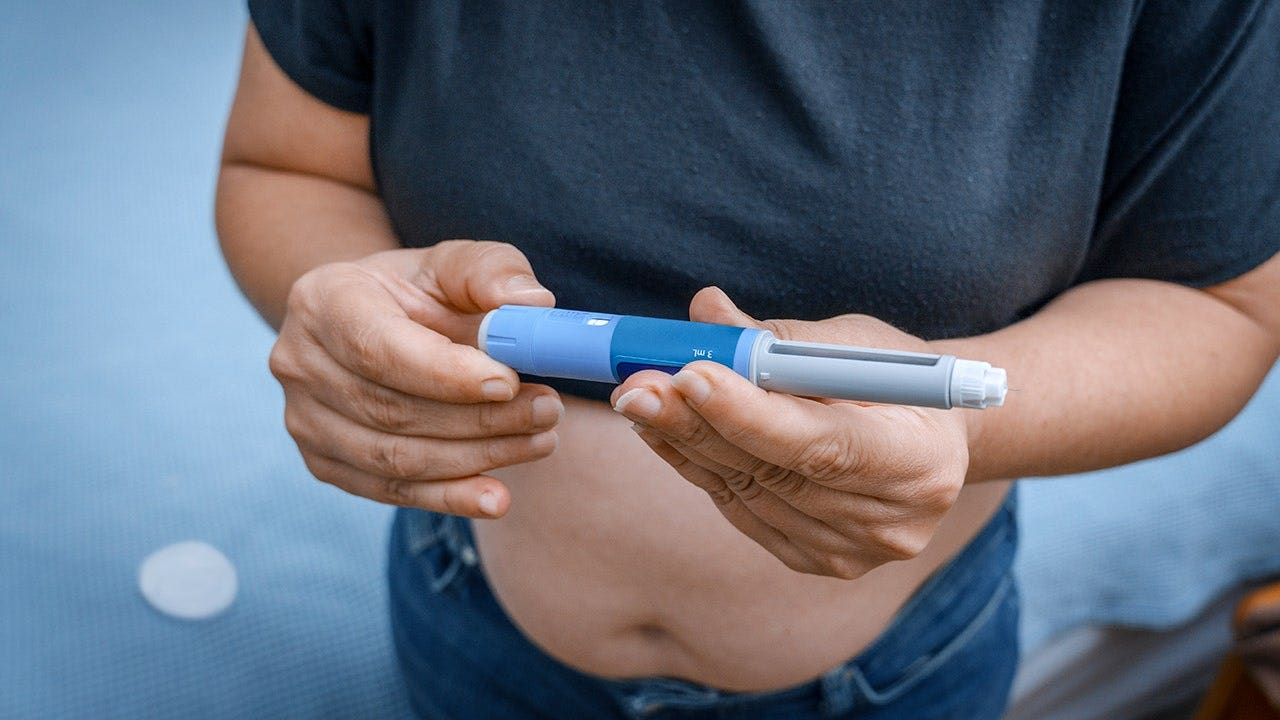
Researchers are raising concerns about a rare, potentially life-threatening brain condition linked to popular GLP-1 weight-loss medications. A new study published in Clinical Nutrition has identified 15 cases of Wernicke encephalopathy, a neurological disorder resulting from severe vitamin B1 deficiency, in patients using GLP-1 receptor agonists, specifically semaglutide (branded as Ozempic and Wegovy) and tirzepatide (branded as Mounjaro and Zepbound).
Read More
The researchers discovered these cases through the FDA’s Adverse Event Reporting System (FAERS), published medical literature, and their medical center. Most patients reported gastrointestinal issues or nutritional deficiencies, such as weight loss, vomiting, loss of appetite, or malnutrition. Although the occurrence of Wernicke encephalopathy appears to be more frequent among users of GLP-1 medications compared to those on other drugs, the researchers noted that their study does not establish a direct causal link between the medications and the condition.
Vitamin B1 is crucial for brain function, and a deficiency can lead to symptoms like confusion, walking difficulties, balance issues, and vision changes. Untreated, it can result in permanent neurological damage or even death.
Karthik Achari, a Chicago-based clinician not involved in the research, emphasized the rarity of these cases, noting that 15 incidents represent a small number out of millions taking GLP-1 medications. He stated, "It's real, it's serious, and the mechanism makes sense," highlighting that GLP-1 drugs can reduce appetite while potentially causing nausea and vomiting, which may lead to a vitamin B1 deficiency.
Achari also pointed out that individuals experiencing persistent nausea and vomiting, those losing weight rapidly while eating little, patients with a history of bariatric surgery, and heavy alcohol users could be at higher risk.
Erin Palinski-Wade, a New Jersey-based nutritionist, noted that proper nutrition and hydration should be considered important during treatment with GLP-1 medications. She warned that while these medications significantly reduce appetite, they may lead individuals to unintentionally under-consume essential nutrients like protein, fiber, and fluids. She advised patients to seek medical attention if experiencing ongoing vomiting or diarrhea, as these symptoms can elevate the risk of dehydration and kidney problems.
The researchers acknowledged that their findings were based mainly on adverse event reports and called for further investigation. Experts advised against discontinuing GLP-1 medications solely based on this study. Fox News Digital has reached out to drug manufacturers Novo Nordisk and Eli Lilly for comment.