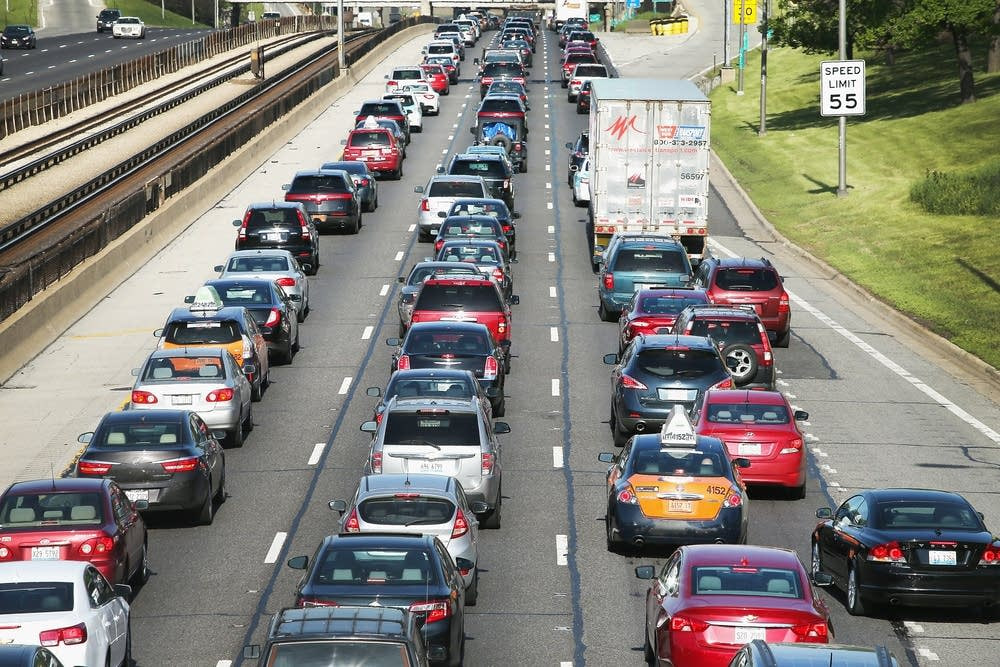
A study published in the journal PLOS ONE highlights the negative impact of traffic noise on stress and anxiety levels, particularly at higher vehicle speeds. Conducted by researchers Lia Gilmour, Isabelle Bray, Chris Alford, and Paul Lintott, the research involved 68 student volunteers who listened to three different three-minute soundscapes.
Read More
One soundscape featured natural sounds, including birdsong recorded at sunrise in West Sussex, England. The researchers also combined this natural environment with traffic noise from roads with speed limits of 20 mph (32 km/h) and 40 mph (64 km/h). Participants assessed their stress, anxiety, and mood before and after listening to the soundscapes.
Findings showed that the natural soundscape alone resulted in the lowest levels of stress and anxiety, aiding participants’ recovery of mood after exposure to a stressor. However, the introduction of traffic noise decreased these benefits. Participants reported the highest levels of stress and anxiety when exposed to the natural soundscape combined with traffic noise from a road with a 40 mph speed limit.
The researchers concluded that decreasing traffic speeds in urban areas could yield health benefits by mitigating noise pollution, thereby enhancing individuals' experiences of natural soundscapes.