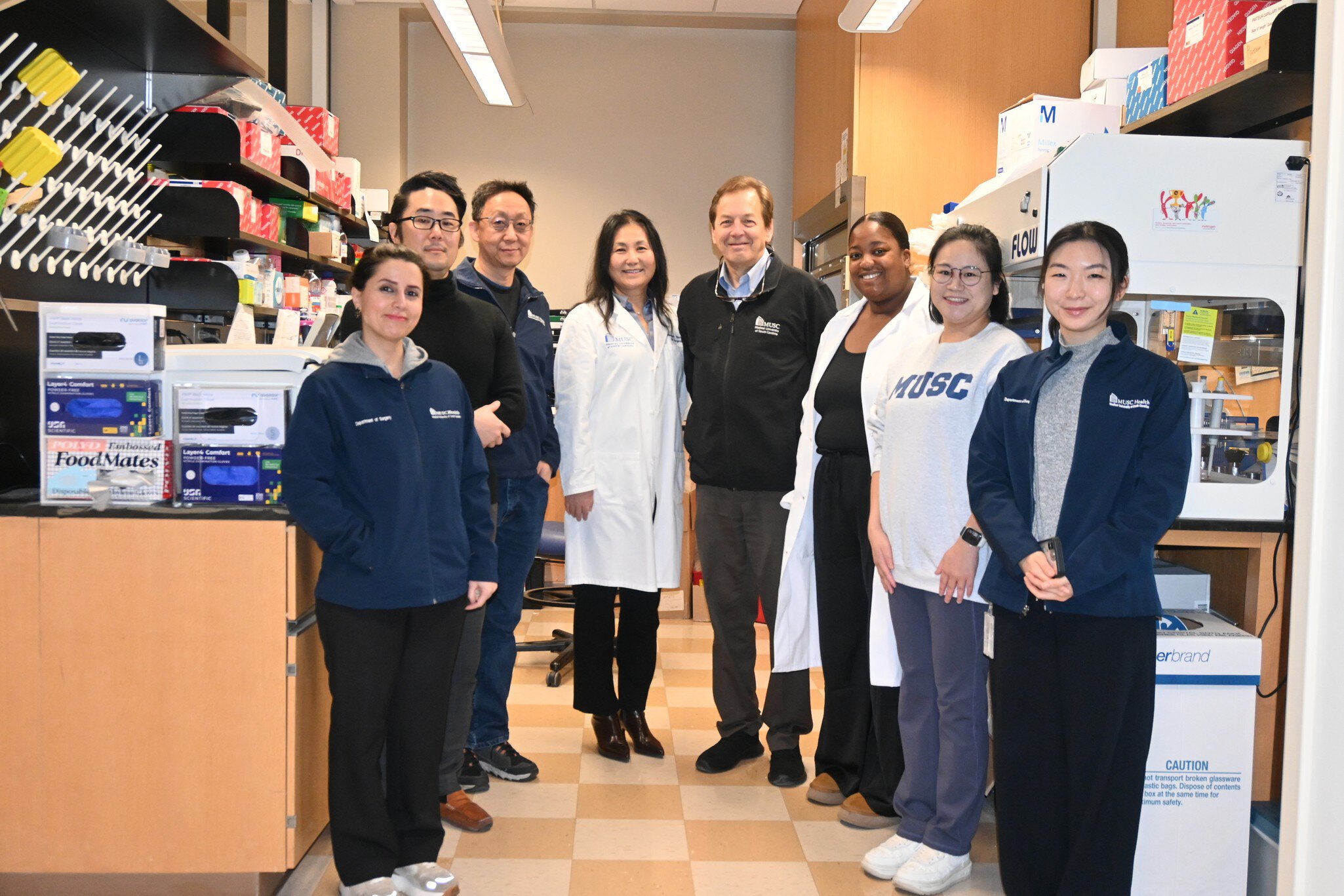
Researchers at the Medical University of South Carolina (MUSC) have developed a new stem cell therapy that has shown potential in reversing new-onset Type 1 diabetes (T1D) in a mouse model. The project was led by Hongjun Wang, Ph.D., associated with the South Carolina Clinical & Translational Research (SCTR) Institute, alongside co-first authors Hua Wei, Ph.D.; Judong Kim, Ph.D.; and Wenyu Gou, Ph.D.
Read More
This breakthrough shifts the focus from merely managing blood sugar through insulin injections to potentially reprogramming the immune system that causes the disease. Wang noted that while insulin is critical for survival, it does not prevent immune attacks or long-term complications. The study proposes an innovative treatment that targets the underlying immune dysfunction associated with T1D.
The experimental approach utilizes mesenchymal stem/stromal cells (MSCs), which have a natural capacity to heal tissues and modulate the immune response. Previous studies indicated that standard MSCs could help preserve insulin production in T1D patients. However, these stem cells often fail to overcome severe inflammation, preventing a complete reversal of the disease.
To enhance the efficacy of MSCs, Wang’s team genetically modified these cells to produce alpha-1 antitrypsin (AAT), a protein that protects against inflammation. This modification enables the AAT-MSCs to shield insulin-producing cells in the pancreas and curb the immune system's excessive response. Co-senior author Charlie Strange, M.D., emphasized that this combination makes the new therapy more effective than conventional stem cell treatments.
The researchers also examined the cellular mechanisms by which the therapy operates. They found that AAT-MSC infusion not only suppressed the immune response but also actively reprogrammed it, increasing regulatory T-cells that help maintain insulin production while reducing aggressive CD8+ T-cells that destroy these insulin-producing cells. Remarkably, the immune reprogramming effect persisted even after the stem cells had been cleared from the body within days, suggesting a lasting impact.
Wang stated that the therapy's effects may last from six months to two years, based on prior clinical trials with MSCs for various diseases. The study focused on new-onset diabetes, a critical time when patients are likely to retain insulin-producing cells that can be salvaged. Currently, the team is testing the safety and efficacy of this treatment in patients with new-onset T1D in clinical trials initiated with a SCTR Discovery Grant.
Beyond diabetes, researchers are exploring the potential of this immune-modulating approach for other autoimmune and inflammatory disorders, like lupus and chronic pancreatitis. Wang expressed hope for future trials and mentioned that even long-term T1D patients may benefit since studies show that some insulin-producing cells can remain functional for years.
The Wang Lab is currently recruiting participants for two trials on chronic pancreatitis treatments involving MSCs.