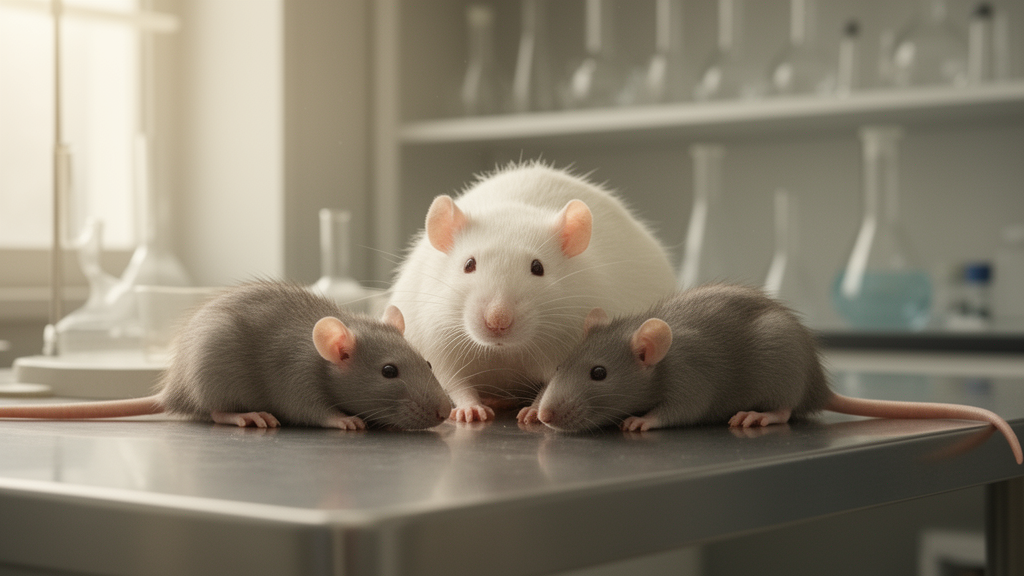
Research indicates that preeclampsia, a pregnancy complication affecting about one in twenty pregnancies, may have lasting effects on the mental health of offspring. A study conducted by researchers from Birjand University of Medical Sciences in Iran found that rats exposed to preeclampsia exhibited increased anxiety, heightened stress hormone levels, and, notably in males, signs of depression-like behavior alongside chronic inflammation. The findings, published in BMC Neuroscience, contribute to the understanding of how the prenatal environment affects brain development into adulthood.
Read More
Preeclampsia is characterized by high blood pressure and often protein present in urine after the 20th week of pregnancy. Although advancements have been made in managing maternal health during preeclampsia, the long-term implications for children born from such pregnancies remain unclear. Previous epidemiological studies have suggested a higher incidence of attention-deficit/hyperactivity disorder, autism spectrum traits, and mood disorders in children born following preeclamptic pregnancies. However, isolating the direct biological impacts from genetic, social, and postnatal factors has been challenging in human studies.
To explore the causal effects, the Birjand team surgically induced preeclampsia in pregnant Wistar rats using a method called reduced uterine perfusion pressure (RUPP). This technique reduces blood flow to the uterus and placenta, resulting in physiological changes similar to those observed in human preeclampsia. By controlling for genetics and drug toxicity, the researchers could attribute differences in behavior to the altered prenatal environment.
When the offspring reached eight weeks of age, they underwent various behavioral and biochemical evaluations. Anxiety levels were assessed using the elevated plus maze, while depressive tendencies were measured with the tail suspension test. Both male and female offspring of the preeclamptic rats exhibited increased anxiety, but only male offspring showed signs of depression-like behavior, spending more time immobile than their controls.
Biochemical analysis revealed elevated serum levels of interleukin-6, a pro-inflammatory cytokine linked to depression, in male offspring. They also demonstrated reduced testosterone levels, which have been associated with a resistance to depression. The interplay of elevated inflammation and decreased testosterone in these males points to a potential mechanism behind their increased vulnerability to depressive behavior.
When subjected to stress, both sexes of offspring from preeclamptic pregnancies displayed prolonged cortisol elevation, indicating dysregulation of the stress-response system, which is commonly seen in individuals with anxiety disorders.
The authors suggest that preeclampsia impacts brain development through two main pathways: one affecting both sexes, which involves programming of the HPA axis leading to elevated anxiety; and another specific to males, involving inflammatory processes that contribute to depression-like behavior. Recognition of these sex differences highlights the complex influence of the prenatal environment on mental health outcomes.
These findings, if applicable to humans, could imply that children born to mothers with preeclampsia, particularly boys, may face an increased long-term risk of mood and anxiety disorders. This opens avenues for early monitoring and preventive strategies based on inflammatory and hormonal markers well before symptoms arise. The research underscores that prenatal experiences significantly shape the lifelong mental health landscape for future generations.
While caution is advised in applying animal study outcomes to human contexts, the comprehensive behavioral and biochemical evidence provided by this research offers a solid foundation for further exploration of how prenatal conditions like preeclampsia sculpt mental health. Future investigations will aim to clarify the molecular signals from stressed placentas and their pathways into the fetal brain, with a goal of determining how to mitigate these effects.