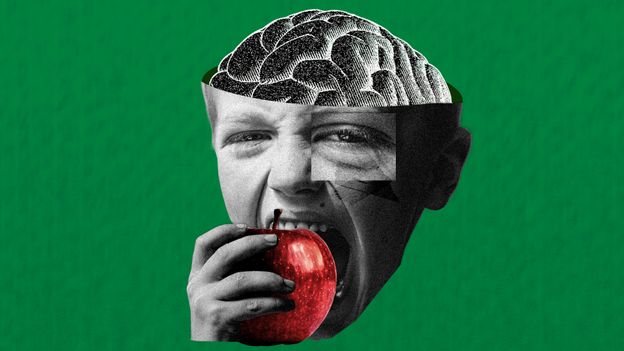
Research indicates that a fiber-rich diet can enhance health, extend lifespans, and protect brain function. However, many individuals do not meet their daily fiber needs. Foods such as whole grains, fruits, pulses, nuts, and seeds are high in fiber and contribute significantly to both physical and cognitive health.
Read More
Karen Scott, a professor of gut microbiology at the Rowett Institute, University of Aberdeen, emphasizes that increasing fiber intake is among the most effective dietary changes for cognitive health. Conversely, inadequate fiber consumption is a significant dietary risk factor for poor health.
Fiber is a type of carbohydrate that is not easily digested, allowing most of it to pass through the gastrointestinal tract unchanged. John Cummings, emeritus professor of experimental gastroenterology at the University of Dundee, states that a high-fiber diet can contribute to a longer lifespan and should be considered essential. A review co-authored by Cummings found that a higher intake of fiber—approximately 30 grams per day—was linked to a 15-30% reduced risk of mortality. This level of intake correlates with decreased risks for coronary heart disease, stroke, type 2 diabetes, and colon cancer, translating to 13 fewer deaths per 1,000 people.
The optimal benefits were observed at a daily intake of 25-29 grams of fiber. Simple dietary changes, such as including fruits and vegetables in each meal, can increase fiber intake. For example, having a baked potato with skin and baked beans along with an apple can provide about 15.7 grams of fiber. Snacking on nuts and seeds can also help, with a 30-gram serving of nuts containing approximately 3.8 grams of fiber.
Fiber's positive effects are closely tied to the gut microbiome. As gut bacteria break down fiber, beneficial byproducts, including short-chain fatty acids like acetate, propionate, and butyrate, are produced. These metabolites are essential for cell energy and are linked to lower mortality rates, according to Cummings.
Scott highlights that a high-fiber diet is vital for brain health as butyrate helps maintain the gut lining, preventing harmful substances from entering the bloodstream and affecting the brain. She adds that increased fiber consumption leads to higher butyrate production, which can enhance cognitive function. Recent randomized control trials affirm this link, demonstrating improved cognitive test results among participants who consumed a daily prebiotic fiber supplement compared to those who took a placebo. The study led by Mary Ni Lochlainn from King’s College London found changes in the gut microbiome with increased beneficial bacteria associated with dietary fiber.
Ni Lochlainn is investigating how dietary approaches can mitigate age-related cognitive and physical decline. She describes gut microbiomes as malleable and a promising area for enhancing health as we age. Additionally, Scott's team observed that Alzheimer's patients had elevated pro-inflammatory markers in their fecal samples along with reduced butyrate-producing bacteria, further supporting the connection between gut health and brain function.
Diverse gut microbiomes are linked to longer, healthier lives, with varied fiber sources being essential for cultivating this diversity. Increasing plant-based foods, especially high-fiber options like peas, beans, and lentils, is a recommended strategy. Simple ways to incorporate more fiber include blending canned chickpeas into batters or adding peas to pasta dishes.
Scott concludes that enhancing fiber intake is one of the most beneficial steps individuals can take for their health.