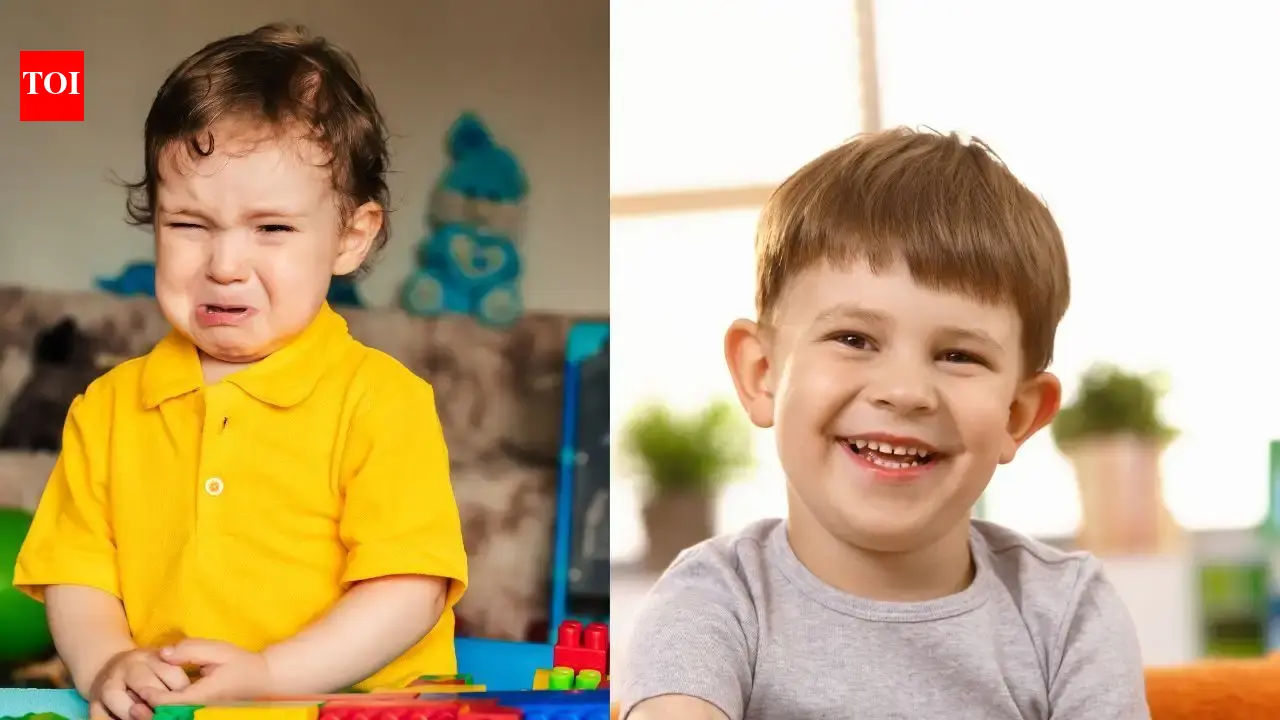
A new study published in ScienceDaily by researchers at Binghamton University reveals that childhood depression can significantly alter where children focus their visual attention, with notable differences based on family history of the condition. The research aims to identify early warning signs of depression before they lead to severe episodes.
Read More
Brandon Gibb, Director of Binghamton’s Mood Disorders Institute and a distinguished professor of psychology, emphasized the importance of observing vulnerabilities in children as they develop, rather than only examining established issues. Previous studies have linked depression to a tendency to focus on sad faces, but the direction of this relationship had remained unclear. The Binghamton team conducted a two-year study involving 242 children and their mothers, measuring the interplay between early depressive symptoms and visual attention over time.
According to Kelly Gair, a PhD student and lead author of the study, this research uniquely addresses the reciprocal nature of how visual attention and depressive symptoms predict one another. During the study, children viewed pairs of faces—one neutral and one expressing a distinct emotion—while high-precision eye-tracking technology recorded their gaze.
The analysis revealed that the impact of rising depressive symptoms varied among children. For those with mothers who had a history of major depressive disorder, increasing personal sadness led to longer gazes at sad faces. In contrast, children without a family history of depression exhibited a different pattern; as their depressive symptoms increased, they simply looked away from happy faces, indicating a loss of protective attention towards positive stimuli.
Gibb noted that this distinction suggests two pathways through which depression affects mental well-being: for those with familial risk, sadness becomes overwhelmingly captivating, while for those without such a history, depression dulls their attraction to happiness.
The research team continues to monitor these children as they approach their teenage years, a period often marked by an increase in depression rates, aiming to determine if early visual attention patterns can predict future diagnoses of depression.