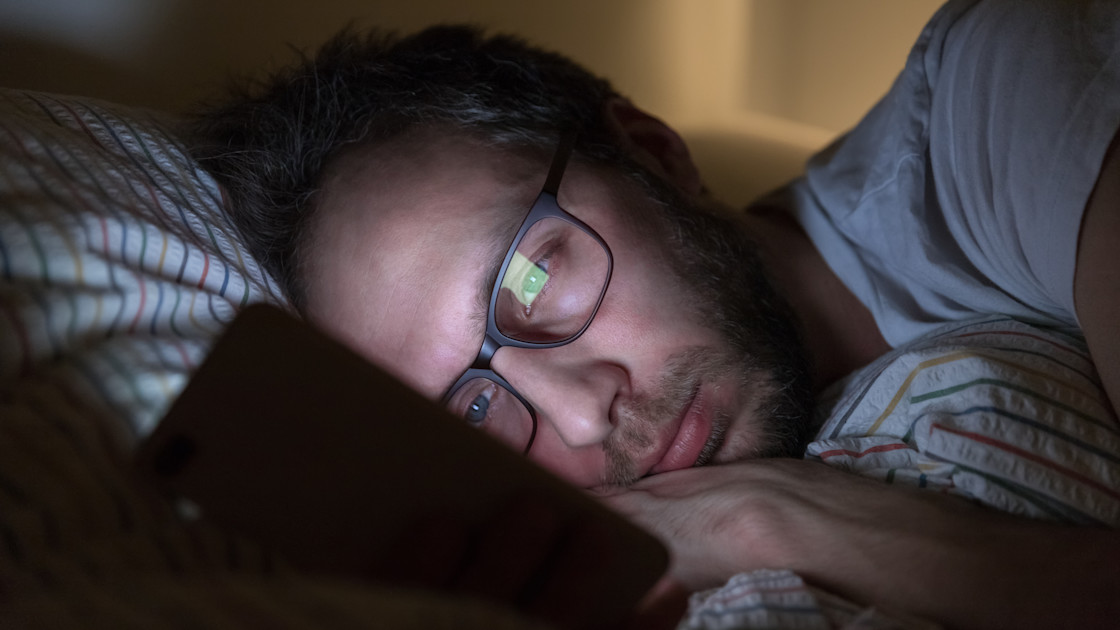
Sleep monitoring apps have gained popularity as more people seek to improve their sleep quality. However, a study conducted by researchers in Norway reveals that while these apps can benefit certain users, they may also exacerbate stress and anxiety for individuals experiencing insomnia. Håkon Lundekvam Berge, the study's lead author from the University of Bergen, noted the necessity for the scientific community to keep pace with the rapid development of sleep app technology.
Read More
The research involved a survey of 1,002 Norwegian adults regarding their use of sleep apps and the effects on their sleep health. A significant 46% reported using or having used such apps, with women and those under 50 showing higher usage rates than men and older participants. Although some users found positive outcomes, like enhanced sleep awareness (reported by 48% of participants), 15% noted actual improvements in their sleep, while 2.3% experienced worsening conditions.
Importantly, the findings indicated that individuals with insomnia symptoms were particularly susceptible to negative effects from sleep app feedback. Karl Erik Lundekvam, a co-author of the study, explained that this group exhibited increased stress and anxiety related to app usage. The reliance on self-reported measures in the study poses some limitations, as participants may have been more engaged with sleep health than the general population.
The researchers recommend that those experiencing stress from sleep apps consider understanding their functionalities better or, if necessary, refrain from using such devices during the night. They advise focusing on developing healthier sleep habits, such as reducing screen time before bed and listening to the body’s natural cues for sleep. The study was published in Frontiers in Psychology.