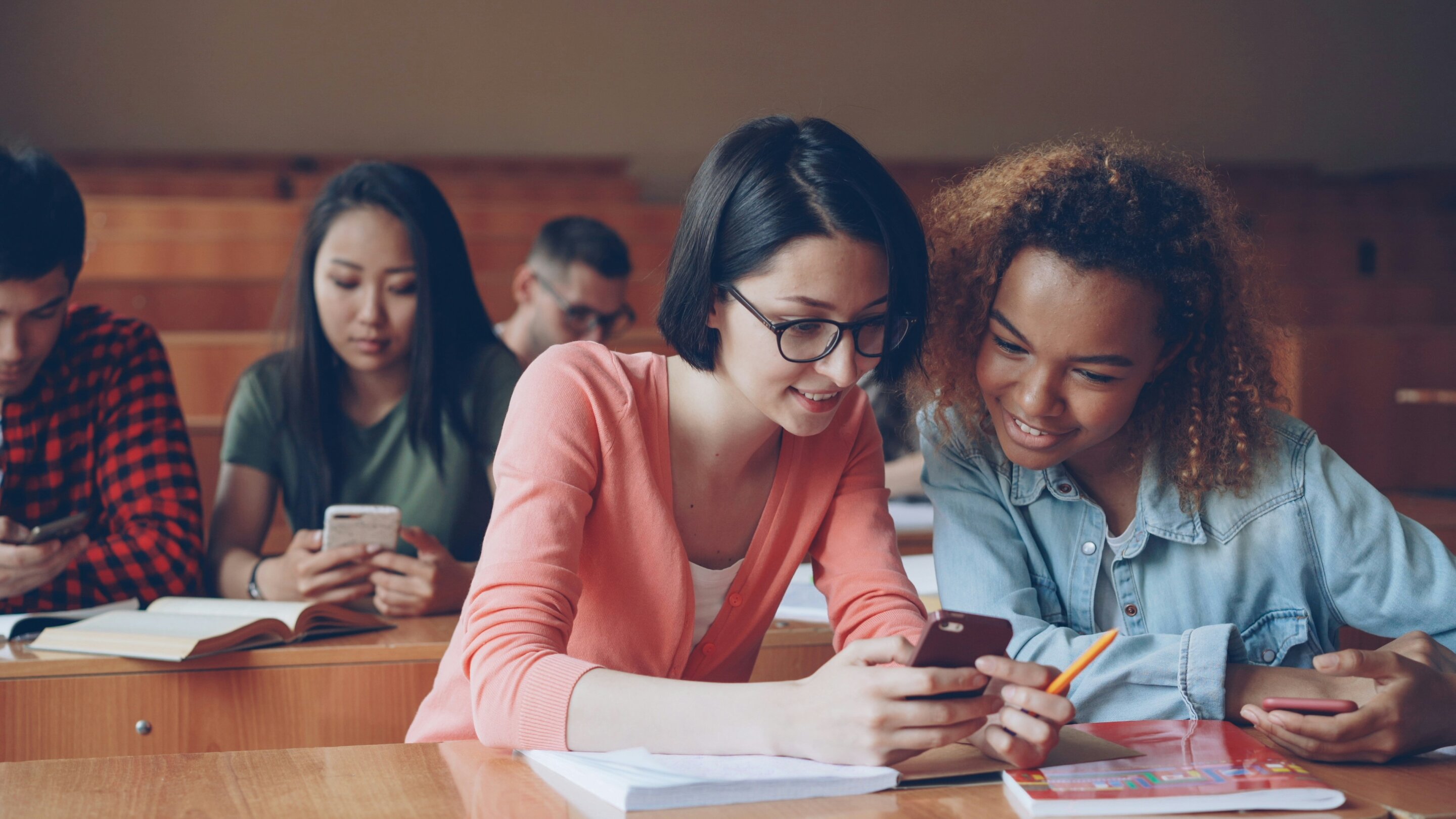
A recent study from George Mason University indicates that college students who spend more time on social media experience poorer sleep quality, which may negatively affect their self-rated health. The findings, published in Public Health Reports, reveal that greater social media use at the beginning of the academic year is associated with decreased sleep quality six months later, ultimately leading to worse self-rated health after an additional six months. This research is the first to suggest that inadequate sleep may serve as a link between social media usage and health perception.
Read More
Akosua Mainoo, the study's lead author and an alumna of the Department of Global and Community Health, highlighted that early social media habits can have longer-term health impacts beyond immediate use. Surprisingly, while increased overall social media usage correlated with poorer sleep quality, nighttime social media use did not. The researchers noted mixed results in previous studies about nighttime use, implying the effects could vary based on factors like light exposure affecting melatonin levels.
This study is part of "Mason: Health Starts Here," a landmark cohort study tracking students throughout their undergraduate years. Principal investigator Lawrence Cheskin from the Department of Nutrition and Food Studies noted that young adults typically spend about five hours daily on social media, with over 85% of the study's participants using platforms like YouTube, Instagram, and Snapchat every day. Despite recommendations for seven to nine hours of sleep for young adults, previous research indicates that about one-third of college students achieve less than the necessary amount.
Chronic lack of sleep is associated with various health issues, including depression, obesity, heart disease, and diabetes. This study builds on previous research by examining the role sleep plays in connecting social media use to broader health outcomes over time.
In discussing the findings, Mainoo emphasized that while social media is integral to college life, students can benefit from being more intentional about their usage by setting time limits and designating phone-free zones. Cheskin added that reducing social media use can enhance opportunities for direct interactions with peers.
The study analyzed data from 349 first-year students aged 18 to 24 as part of the longitudinal research on physical and mental health predictors in college. Researchers acknowledged limitations, including reliance on self-reported data and participant attrition, and called for further longitudinal studies on the effects of social media on sleep and health.