Sleep is vital for children's brain development, learning, and healthy weight maintenance. New research from the Australian Centre of Excellence for the Digital Child explores the relationship between screen time and sleep in young children.
Read More
The study surveyed 3,324 families with children aged six months to six years across Australia, gathering information about children's sleep patterns, screen time, and device usage. Caregivers reported on bedtimes, sleep duration, nap habits, and screen time, including usage in bedrooms and the types of devices used.
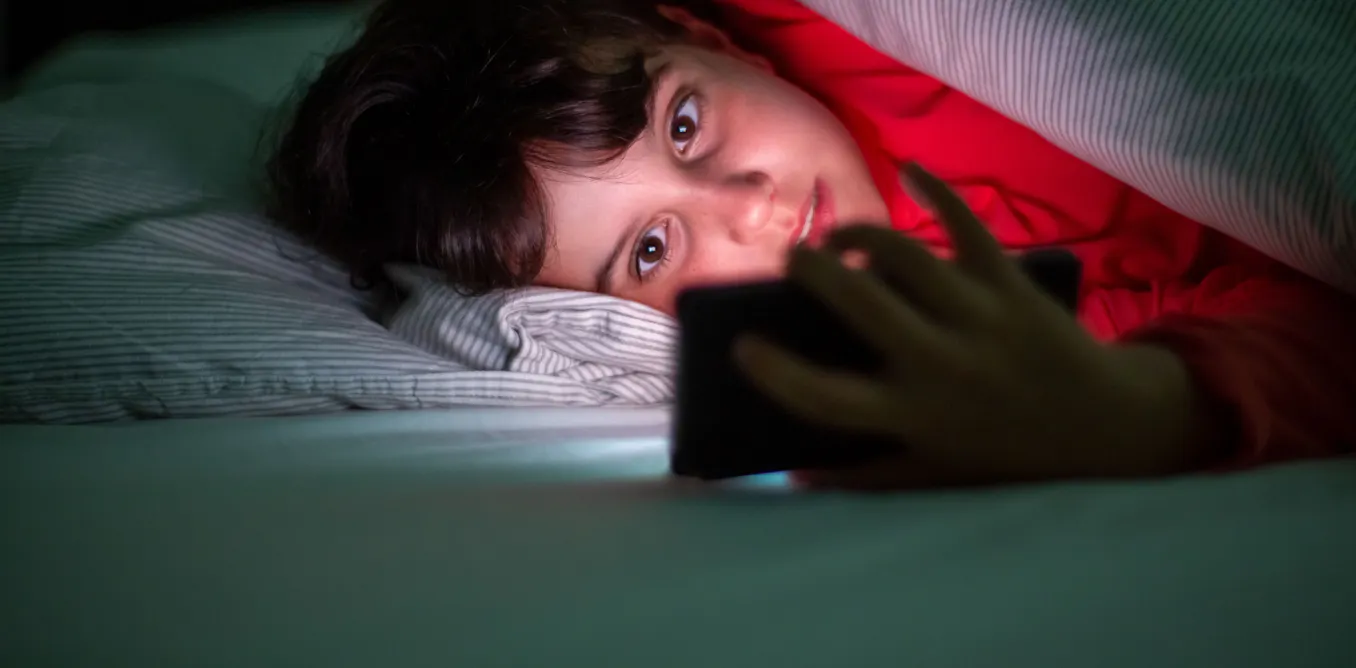
Key findings indicate that many young children are exposed to screens frequently. Less than half of the children aged two to five adhered to national guidelines recommending less than two hours of screen time daily. Notably, by age five, nearly 40% were using handheld devices in their bedrooms.
In infants aged 6-12 months, there was no significant correlation between screen exposure and sleep. However, potential passive exposure from family members could be a factor. In contrast, as children grew older, increased handheld device usage was linked to later bedtimes; specifically, for every hour of handheld use daily, two-year-olds went to bed nearly 30 minutes later, and three-year-olds not only experienced later bedtimes but also shorter sleep durations and more difficulty functioning the next day.
Both handheld and static screens were associated with less sleep and later sleep times. Children using screens in the two hours before bed, regardless of the device type, experienced poorer sleep quality and more sleep problems.
While the research provides insights into screen usage among young children, it presents cross-sectional data, which cannot definitively establish cause and effect. It is possible that children who stay awake longer may have more screen time than those who sleep earlier.
For families looking to improve their children's sleep, the study suggests practical steps: remove screens from bedrooms to reduce nighttime usage, establish a calming bedtime routine, and limit exposure to bright handheld screens before bed to minimize interference with sleep-promoting hormones like melatonin.
As screen use becomes increasingly integral to daily life, these strategies may help parents foster better sleep health for their children.