Recently, a natural health product claimed to prevent the "baby blues," a term referring to transient sadness and emotional volatility occurring after childbirth. This supplement, developed at the Center for Addiction and Mental Health (CAMH), was announced in 2024 as the first clinically validated product aimed at reducing postpartum depression (PPD) symptoms within six months.
Read More
The baby blues typically manifest within days after delivery as feelings of sadness and tearfulness, often coinciding with the onset of milk production. For most, these symptoms resolve within one to two weeks and are not classified as a psychiatric disorder in the DSM-5. As such, the baby blues lack a universally agreed-upon definition and clear diagnostic criteria, complicating any association with postpartum depression.
Research indicates a link between experiencing baby blues and a higher likelihood of developing PPD later, with estimates suggesting that between 30% and 80% of women may experience the baby blues. However, the broad range highlights difficulties in establishing a direct causal relationship. Some studies have reported that severe postpartum blues can be linked to a fourfold increase in the risk of developing PPD later, but the definitions of baby blues used in these studies can vary considerably.
One cited study, for instance, examined depressive symptoms five days postpartum without specifically assessing the baby blues. As a result, while the connection between the two phenomena is acknowledged, establishing a clear pathway from baby blues to PPD remains complex.
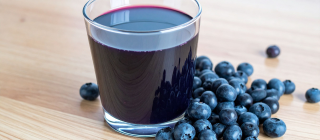
The supplement itself is based on a theory suggesting that increased monoamine oxidase A (MAO-A) activity postpartum leads to changes in neurotransmitter levels. Ingredients like L-tryptophan and L-tyrosine aim to replenish these neurotransmitters, with blueberry juice suggested to mitigate oxidative damage from increased MAO activity. However, the research primarily relied on psychological questionnaires rather than measuring these biochemical pathways directly.
Importantly, the study's primary outcome—whether the supplement reduced the severity of an induced depressed mood—was not successful. The researchers did note an association with lower postpartum blues scores but did not establish a definitive threshold for what qualifies as “having the blues.” This lack of a clear diagnostic standard complicates claims about the supplement's effectiveness.
Additionally, conflicts of interest arise as the study was funded by both CAMH and the supplement's manufacturer, raising questions about the integrity of the research.
Critically examining this situation is essential as it underscores a larger issue in female health research. While it is vital to celebrate advancements in studying women's health, it is equally crucial to maintain high standards for the evidence presented. Researchers must not compromise rigor for the sake of progress.
In conclusion, while the product may show promise, current claims about its efficacy may be premature. This scenario serves as a reminder for both scientists and the public to scrutinize research findings thoroughly, particularly when dealing with significant health claims.