The rise of protein-enhanced products has sparked a debate on their health benefits compared to whole food proteins. In recent years, grocery shelves have seen an influx of items fortified with protein, including unexpected items like sauces and snacks, as interest in protein-rich diets continues to grow. This trend is influenced by factors such as healthy aging and strength training, making protein a key focus for many consumers. Protein is vital for satiety, muscle growth, bone health, and immune support.
Read More
Johannah Katz, a registered dietitian in Florida, notes that protein-boosted products can be convenient for those struggling to meet their protein needs through traditional meals. These products can help individuals with busy schedules, dietary restrictions, or recovery from medical conditions, making it easier to increase protein intake.
Lindsey Moser, a registered dietitian in New York, emphasizes that while protein-enriched foods can be beneficial, they often come from processed sources and may lack other essential nutrients. This can lead to a false sense of healthiness, with consumers prioritizing these processed options over more nutritious whole foods. Moser points out that high protein labels can serve as marketing tools rather than indicators of overall nutritional value, which can lead to unintended increases in calorie consumption due to the "halo effect"—where people underestimate the calories of healthier labeled foods.
To select healthy protein-boosted products, it is crucial to examine the nutritional composition carefully, looking at calories, added sugars, sodium, and fats. The ideal protein-boosted foods would start with a nutrient-dense ingredient, like ultra-filtered milk or lentil pasta, and add whole food protein components.
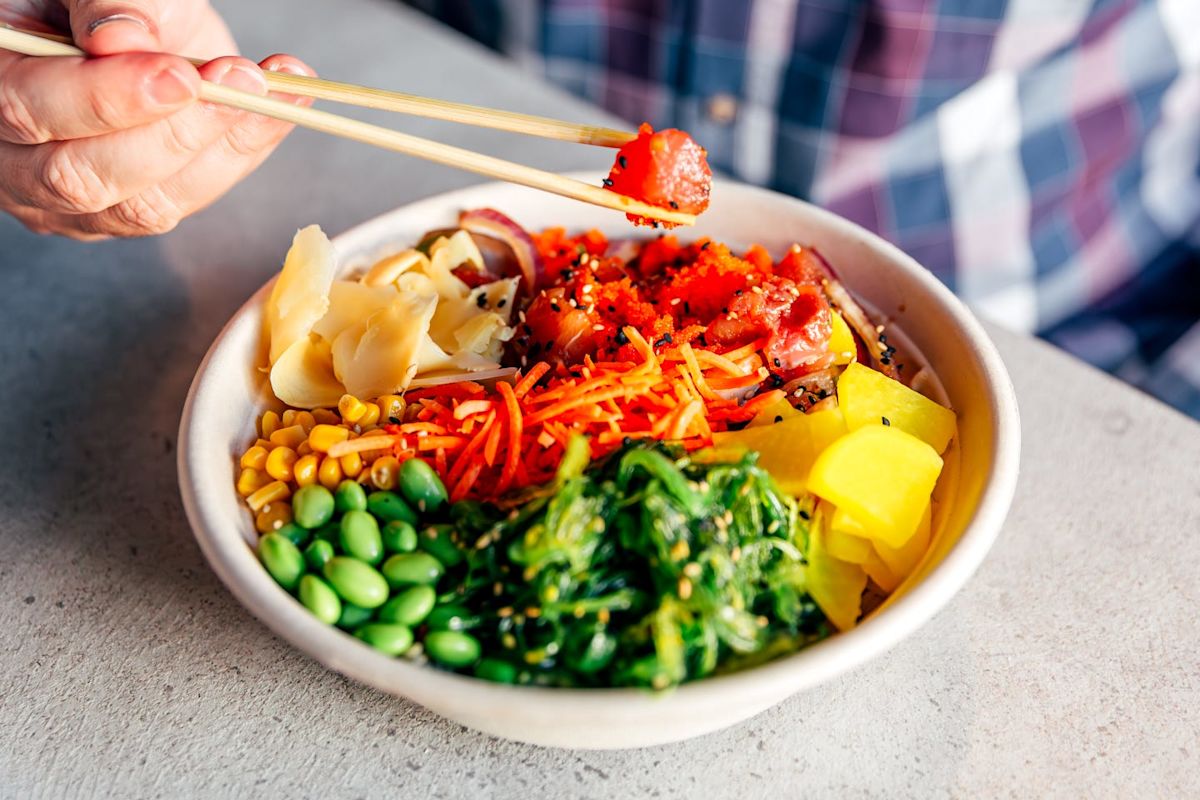
In contrast, whole foods—such as meats, beans, and dairy—naturally contain substantial protein without the need for fortification. Katz lists nutrient-rich whole-food sources like salmon, chicken, and Greek yogurt that not only provide protein but also deliver essential nutrients like calcium and omega-3 fatty acids.
While whole foods generally rank higher in nutrition, they may require more preparation and planning compared to conveniently packaged foods. Therefore, dietitians recommend that whole food proteins should form the foundation of protein intake, while protein-boosted products can serve as supplementary options during times of need.
Overall, protein-enhanced foods can play a role in a balanced diet, but understanding their nutritional content is essential to ensure they align with health goals.