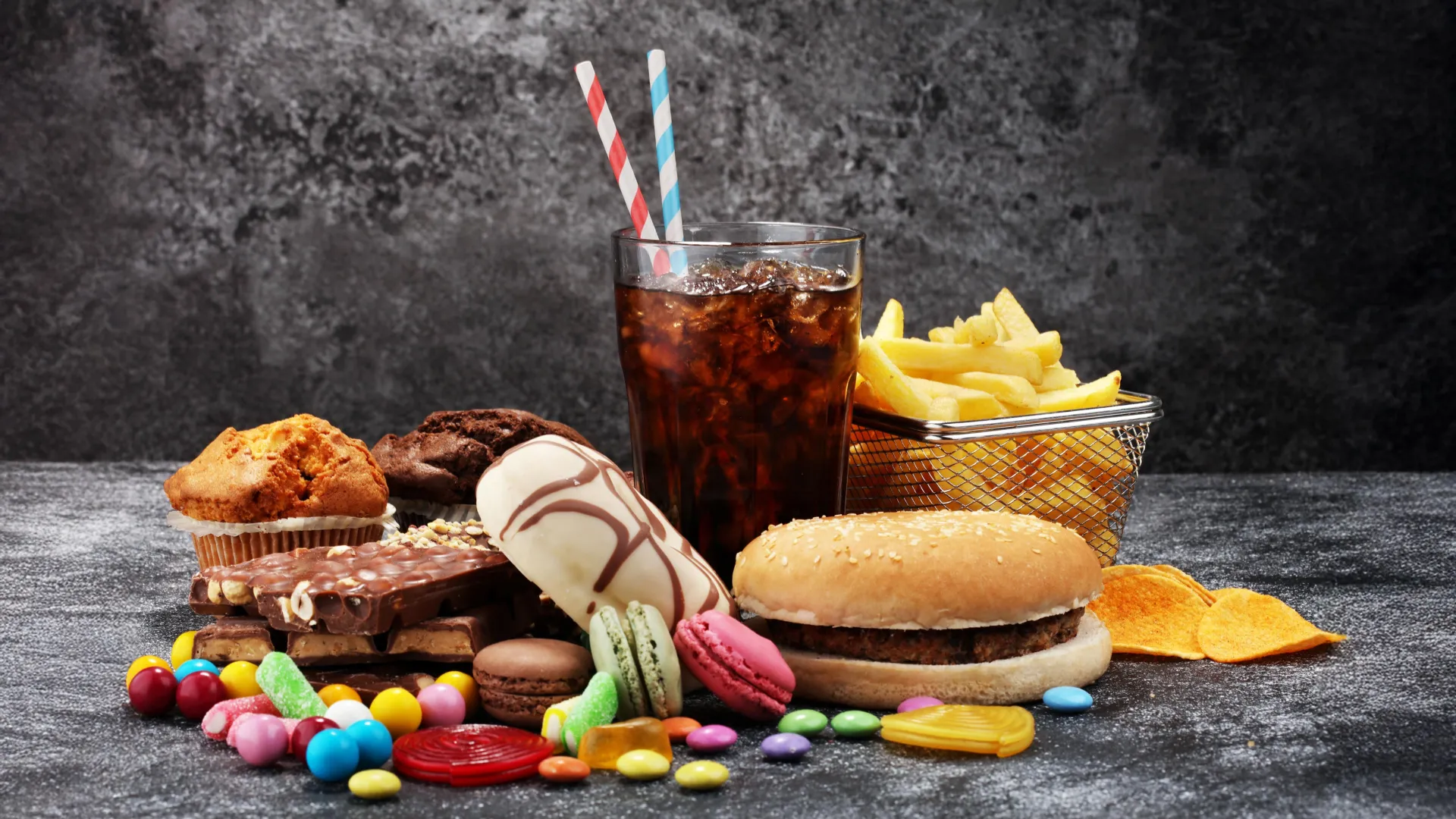
A preliminary study conducted by researchers at UC San Francisco indicates that decreasing the intake of ultra-processed foods could help reduce symptoms of depression. Published on September 23 in JAMA Psychiatry and funded by the National Institutes of Health, this research is believed to be the first to assess depression symptoms in the same participants before and after altering their diets from ultra-processed foods to healthier options.
Read More
The study involved 20 participants, with senior author Andrew Krystal, MD, emphasizing that the findings highlight the feasibility of larger-scale research in this area. Participants reduced their consumption of ultra-processed foods by over 85%, resulting in significant improvements in three different measures of depression and modest improvements in anxiety scores.
Ultra-processed foods encompass items like packaged snacks, fast food, sugary drinks, and other industrially produced foods, often containing preservatives, artificial flavors, and emulsifiers. Corresponding author Nyasha Chagwedera, MD, PhD, noted the challenge of reducing such foods due to their appealing taste, low cost, and convenience, as well as their ability to trigger dopamine release, which promotes cravings.
The participants had an average age of 44, with 70% being female. Among them, 14 also experienced anxiety, and all had a high BMI along with at least one metabolic disorder, including hypertension or diabetes. The researchers divided participants into two groups: one maintained their usual diet while the other adopted a low ultra-processed food diet for four weeks, after which they switched diets.
Chagwedera suggested a potential link between ultra-processed foods and depression could be related to gut health, specifically the condition of a "leaky gut" that might lead to chronic inflammation, potentially affecting mental health. She stated that the impact of poorly processed foods on gut health might extend to the brain.
Although the study's results are preliminary due to its small sample size, researchers are planning a larger trial, with recruitment for phase 2 expected to begin in 2028. Additional contributors to the study from UCSF included Eliana Kim, MD, Dorothy T. Chiu, PhD, Chengshi Jin, PhD, and Catherine Lee, PhD, along with authors from other institutions like the University of Queensland, Mayo Clinic, and Emory University.